The Butterfly Effect: How Chiba’s Floods and China’s Oil Hunger Move the Toman
اثر پروانهای: چگونه سیلهای ژاپن و عطش نفتی چین بر قیمت دلار و طلا در تهران اثر میگذارند؟
Markets are not just numbers on a screen; they are reflections of real-world events like Japan’s record rainfall and China’s rebounding oil demand. Understand how these global supply chain shocks translate into the price movements you see in the local Tehran market today.
At time of publishing
USD
191,000
Toman
Gold 18K
20.27M
Toman / gram
Bitcoin
$77,722
US Dollar
Tether
189,271
Toman
The Physical Reality Behind Digital Prices
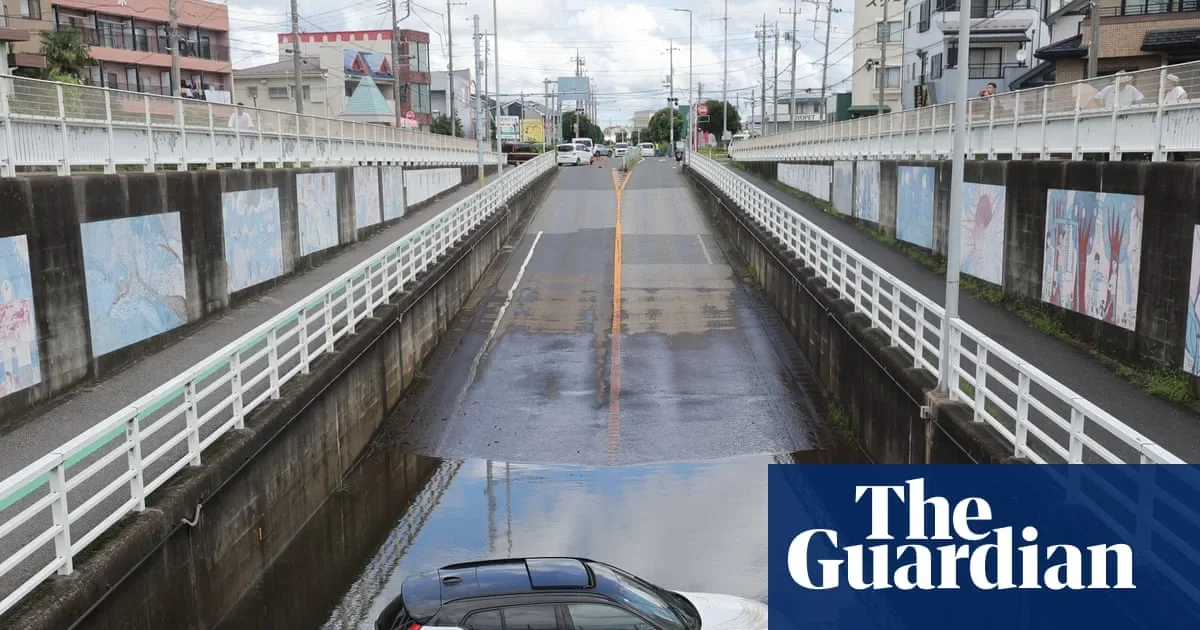
When we look at the dashboard and see the USD/IRR rising to 191,000 (+0.2%) or Gold 18k jumping by 1.6% to over 20.2 million Toman per gram, it is easy to forget that these numbers are tied to physical reality. Today, that reality is dominated by extreme weather in East Asia. In Chiba, Japan, record-breaking rainfall of 115mm in a single hour has paralyzed logistics, stranded thousands at Narita Airport, and cut power to tens of thousands of homes. While a flood in Japan might seem distant, Japan is a critical node in the global high-tech supply chain. When transport halts and factories lose power, the global 'risk appetite' shifts.
Investors often react to such disruptions by moving capital into 'safe havens.' This is why we see the global gold ounce sitting at a staggering $4,585.50. For the Iranian investor, this global tension compounds with local factors, driving the price of 18k gold up significantly today. Understanding this 'Butterfly Effect'—where a storm in Chiba ripples through to a jewelry shop in Tehran—is the first step in moving from a beginner to an intermediate market observer.
China’s Oil Hunger and the Energy Channel
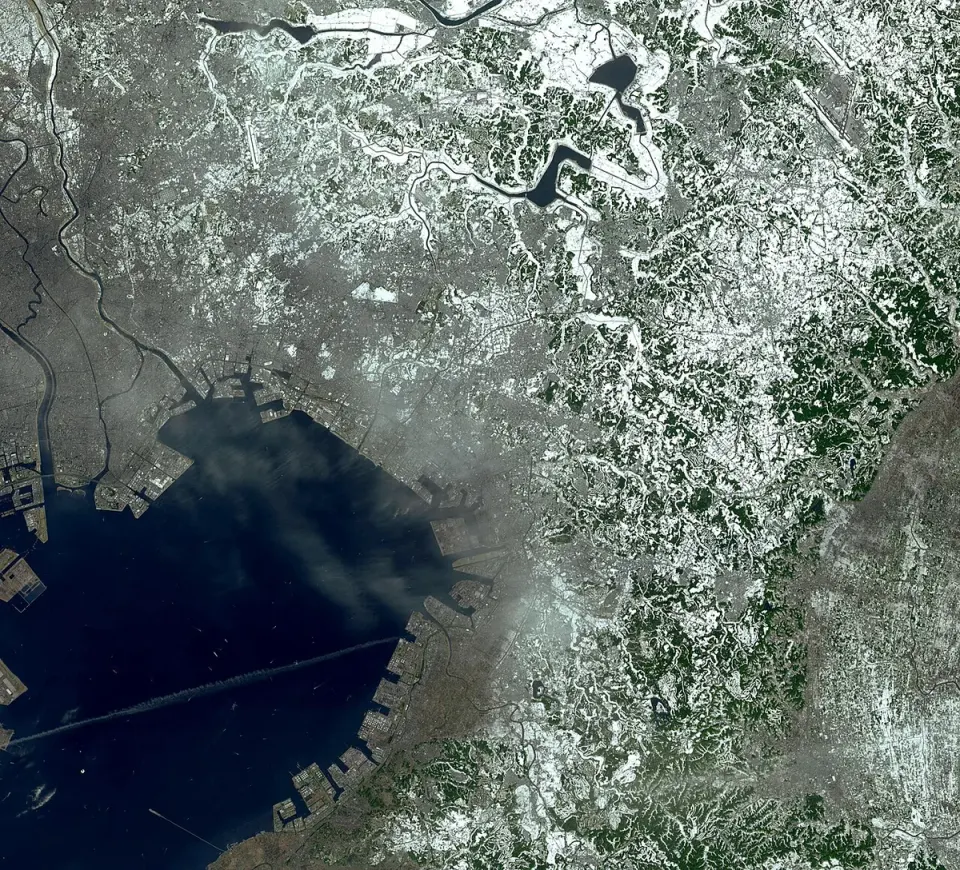
Beyond weather, energy movements are the primary engine of global inflation. Recent data indicates that China’s oil imports are set to rebound by 1.2 million barrels per day in the final quarter of 2026. As Chinese refiners hunt for new supply to meet this 10-million-barrel-per-day target, the global cost of energy faces upward pressure. For a country like Iran, which remains sensitive to global energy benchmarks despite sanctions, this demand shift influences everything from the cost of imported goods to the psychological floor of the US Dollar.
When China buys more oil, it signals a heating global economy, but it also tightens the supply for everyone else. This 'energy inflation' is a major reason why the Toman remains under pressure. Even as the Emami coin stays flat at 199.5 million Toman today, the underlying gold value is surging because the world expects energy costs—and thus the cost of producing and transporting everything—to rise. If you are holding assets to hedge against inflation, you aren't just betting against the Toman; you are often betting on the continued industrial hunger of giants like China.
Geopolitical Friction and the 'Risk Premium'
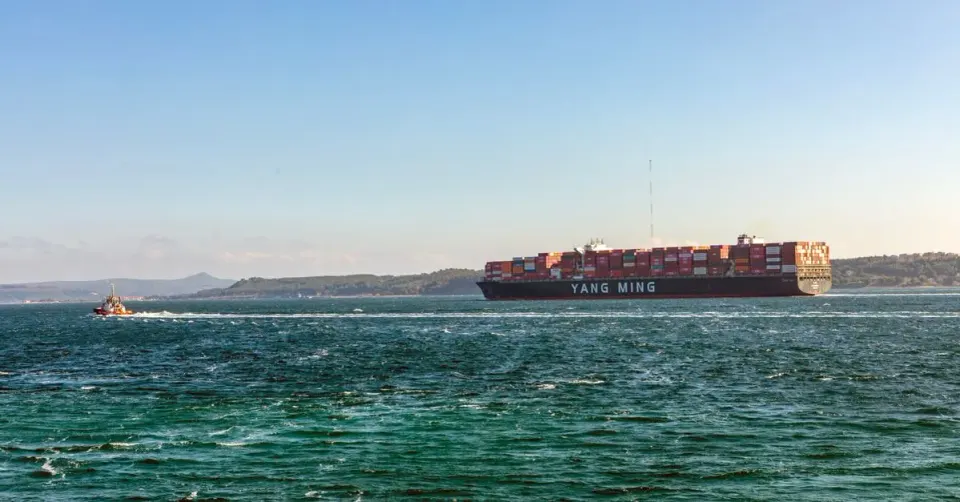
Physical geography and politics are inseparable. While the weather batters Japan, Russia’s recent missile tests near the disputed Kuril Islands have added a layer of geopolitical friction that markets cannot ignore. These tests, involving Bastion surface-to-ship missiles, remind investors that trade routes in the Pacific are fragile. Simultaneously, reports of rising Somali piracy—potentially fueled by regional instability—add another 'tax' on global trade in the form of higher insurance premiums for shipping.

For the reader in Iran, these events create a 'Risk Premium.' When the world feels less safe, the Dollar and Gold strengthen. This is reflected in today's 0.2% rise in the USD sell rate. Even small technological shifts, like the 20% discount codes seen for Squarespace or Valvoline maintenance, remind us that the global economy is trying to stimulate consumption amidst these headwinds. As an investor, your goal is to look past the daily price ticker and ask: Is the world getting safer or more volatile? Today’s data, from the floods in Chiba to the missile tests in the Pacific, suggests that volatility is the current king, making 'inflation hedges' like gold more attractive than ever.
Concept Diagram
Watch
Meet the Press NOW — August 20
NBC News
Frequently Asked Questions
How can a flood in Japan affect the price of gold in Tehran?
Why is China's oil demand relevant to the Iranian Toman?
What does 'Risk Premium' mean for an everyday investor?
Is today's 1.6% rise in gold a temporary spike or a trend?
Global Supply Chain Dynamics and Economic Interdependence
The modern global economy is a complex web where events in one corner of the world can send ripples across continents. This phenomenon, often likened to the "butterfly effect," means that a flood in Chiba, Japan, or a surge in oil demand from China, can ultimately influence the value of the Iranian Toman, global gold prices, or even broader inflation trends. Understanding this intricate dance of cause and effect is crucial for grasping today's economic landscape.
At the heart of this interconnectedness are global supply chains. These are intricate networks of production, distribution, and trade that span multiple countries, allowing companies to source raw materials, manufacture components, and assemble finished goods wherever it's most efficient. For instance, a natural disaster in a key manufacturing hub like Japan can disrupt the supply of critical components (e.g., electronics, automotive parts) to factories worldwide, causing production delays and shortages. Similarly, a rebound in demand for a major commodity like oil from an economic powerhouse like China directly impacts global energy prices.
Such disruptions and shifts don't stay localized. A shortage of components can lead to higher prices for consumer goods, contributing to inflation globally. Increased oil prices raise transportation costs for virtually all industries, further fueling inflationary pressures. For economies like Iran, heavily reliant on commodity exports or imports, these global price movements directly affect the national currency (the Toman) and the cost of living. Furthermore, geopolitical risks, like increased piracy in vital shipping lanes, add another layer of vulnerability, increasing insurance costs and delivery times, further straining these delicate chains.
Recognizing these vulnerabilities highlights the growing importance of supply chain resilience. Businesses and governments are increasingly exploring strategies like diversification of sourcing, nearshoring, and building buffer stocks to mitigate the impact of unforeseen global events. While complete immunity is impossible, understanding the dynamic interplay of global factors allows for better preparedness and more informed economic decision-making in an increasingly interdependent world.