Beyond the Border: Why Lebanon’s Economic Slump and Arctic Shipping Shifts Are Pushing Tehran’s Gold Higher
فراتر از مرزها؛ چرا سقوط اقتصادی لبنان و تغییر مسیرهای تجاری، طلا را در تهران گران کرد؟
The World Bank's report on Lebanon's 6.4% contraction serves as a grim reminder of how regional conflict erodes wealth. We explore why Tehran's gold market is reacting with a 'war premium' and what shifts in global shipping mean for your purchasing power.
At time of publishing
USD
191,700
Toman
Gold 18K
20.67M
Toman / gram
Bitcoin
$77,235
US Dollar
Tether
189,099
Toman
The Mirror of Contraction: Lebanon’s Warning to the Region
The World Bank recently released a sobering projection, estimating that Lebanon’s economy will contract by 6.4 percent due to the ongoing conflict with Israel. For an Iranian investor, this isn't just a headline about a neighboring nation; it is a fundamental lesson in how geopolitical instability decapitates economic recovery. When a nation’s GDP shrinks by such a margin, inflation doesn't just rise—it explodes. The World Bank notes that consumer prices in Lebanon are spiraling, a phenomenon we see mirrored in the local Tehran markets whenever regional tensions flare.
Today's market data in Iran reflects this anxiety clearly. While the US Dollar rose a modest 0.6% to reach 191,700 Toman, the Emami gold coin surged by a staggering 3.0%, jumping from 199.5 million to 205.5 million Toman in just 24 hours. This gap between the dollar's rise and gold's explosion is what analysts call the "War Premium." Investors are not just buying a hedge against the Rial; they are buying an insurance policy against regional chaos. When Lebanon’s economy shrinks, the perceived risk of the entire Middle East rises, and in the world of finance, gold is the only language spoken fluently during a crisis.

Shifting Routes: From the Persian Gulf to the Arctic
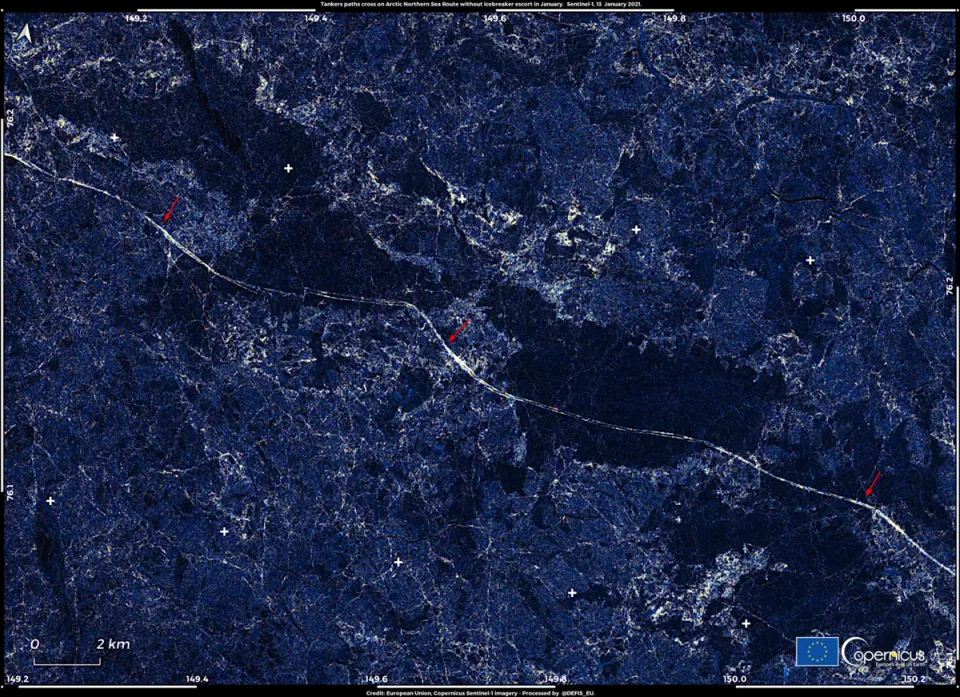
Global trade is currently undergoing a structural transformation that most everyday consumers ignore until it hits their grocery bills. South Korea has just announced a trial run for a container ship through the Arctic route, specifically citing the Middle East conflict as the reason for abandoning traditional shipping lanes. This is a massive signal. If major economies like South Korea begin to view the Middle East as a permanent "high-risk zone," the cost of insurance and shipping for goods entering the region will remain permanently elevated.
For Iranians, this translates to "imported inflation." Even if the Rial were stable, the cost of the goods we import would rise because the world is literally taking the long way around us. This environment makes the concept of an "inflation hedge" more critical than ever. Whether it is the 0.9% rise in 18k gold today or the massive 23% weekly rally in Bitcoin, these assets are reacting to a world where traditional logistics are broken. When ships move to the Arctic to avoid the Middle East, they are essentially pricing in a future where our region is less connected and more expensive to service.
The Protectionist Wave: Trump, Tariffs, and Your Wallet
It isn't just regional war moving the needle; the global economic order is becoming increasingly fragmented. The collapse of talks between the US and Canada, leading to 50% tariffs on key Canadian sectors by the Trump administration, shows that even the closest of allies are not safe from protectionism. This "me-first" approach to global trade creates a volatile environment for currencies. If Canada, a G7 economy, can see its sectors hit with such heavy tariffs, the volatility for emerging or sanctioned markets like Iran is amplified tenfold.
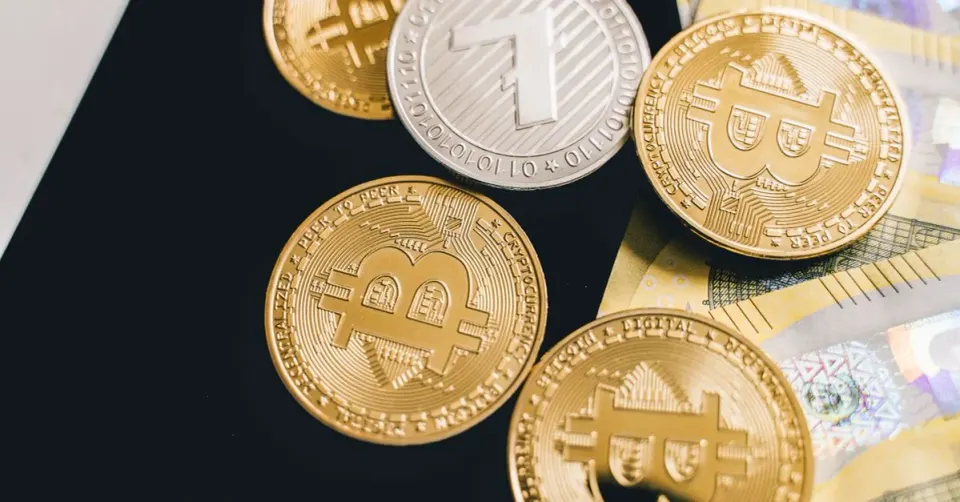
As we see Bitcoin hitting an RSI of 87 and roaring back to life with a 23% weekly gain, it’s clear that global capital is looking for an exit from traditional sovereign risks. In Tehran, the move toward Emami coins and digital assets isn't just speculation; it is a rational response to a world where trade routes are shifting to the North Pole and trade wars are being fought across the 49th parallel. To protect your wealth today, you must look beyond the local price of the dollar and understand the global forces—from Lebanese GDP to Canadian timber tariffs—that are making everything more expensive.
Concept Diagram
Frequently Asked Questions
Why did the Emami coin price increase by 3% while the Dollar only rose 0.6%?
How does a 6.4% contraction in Lebanon affect the Iranian Rial?
What is the significance of South Korea testing an Arctic shipping route?
Is the current Bitcoin rally related to these geopolitical events?
Understanding the "War Premium" in Gold Prices
The recent surge in gold prices in Tehran, amidst Lebanon's economic woes and shifts in global shipping routes, highlights a crucial economic phenomenon known as the "War Premium." This term refers to the additional value investors are willing to pay for safe-haven assets, particularly gold, during periods of heightened geopolitical instability, armed conflict, or significant economic uncertainty. It's not necessarily about an active war, but rather the pervasive fear and unpredictability that such events introduce into global markets.
Gold has historically served as a reliable store of value, largely because it lacks counterparty risk – meaning its value isn't dependent on the solvency of any government or financial institution, unlike bonds or bank deposits. When political tensions escalate, trade relations become volatile (like the mention of Arctic shipping shifts), or regional economies face severe contraction (such as Lebanon's slump), investors tend to flee riskier assets like stocks and even some currencies. They flock to gold, perceiving it as a tangible asset that retains its value when other investments falter.
The mechanism behind the war premium is straightforward: increased demand in a finite market. As more investors seek the perceived safety of gold, its price is bid up beyond what fundamental economic factors might otherwise dictate. This premium reflects the collective anxiety and the market's attempt to price in future risks. For markets like Tehran, which can be particularly sensitive to regional geopolitical dynamics, this effect can be pronounced, directly influencing local gold prices like the Emami coin. Understanding this premium is key to discerning why gold often defies conventional market logic during times of global turmoil.