
The Bottleneck Effect: Why Narrow Channels in the Rhine and Tehran Are Exploding Market Prices
اثر گلوگاه: چرا کانالهای باریک در راین و تهران باعث انفجار قیمتها در بازار میشوند؟
Global trade and local markets share a hidden weakness: the bottleneck. From the drying Rhine river in Europe to the surging premiums on Emami coins in Tehran, learn why narrow supply channels create price spikes that defy logic.
At time of publishing
USD
196,400
Toman
Gold 18K
21.68M
Toman / gram
Bitcoin
$76,545
US Dollar
Tether
195,552
Toman
The Rhine Crisis: A Lesson in Supply-Side Shock
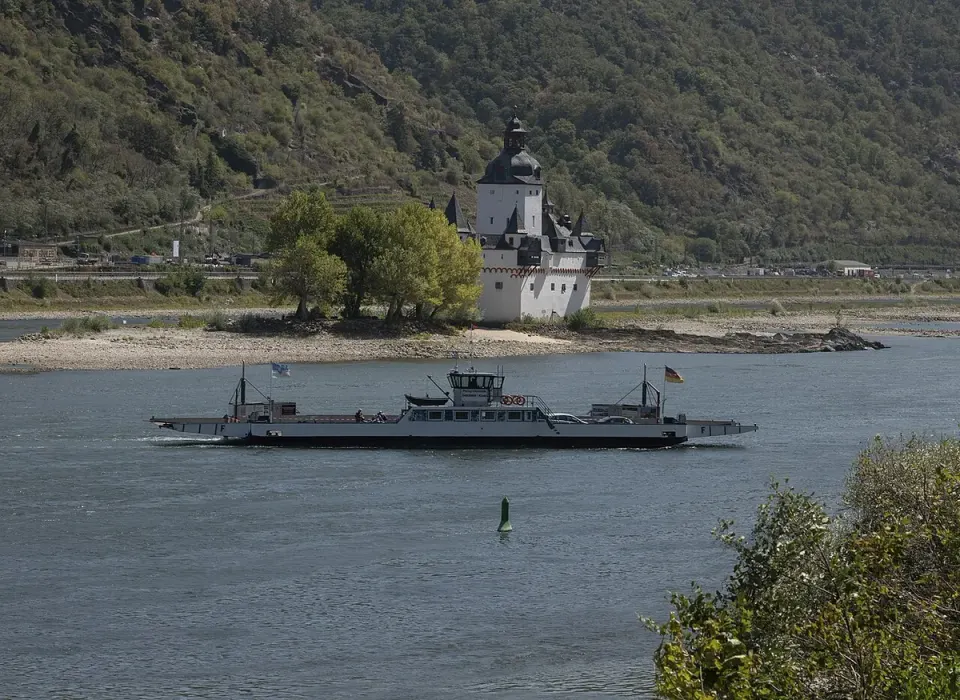
Imagine a highway where four lanes suddenly merge into one. Traffic doesn't just slow down; it grinds to a halt, and the cost of being stuck—in time and fuel—skyrockets. This is exactly what is happening in Europe’s industrial heartland. Reports indicate that the Rhine river, a critical artery for fuel and chemicals, is suffering from a 'bottleneck' crisis. Even though water levels have risen slightly from record lows at the Kaub gauge, they remain too shallow for fully loaded barges. This means more ships are needed to carry the same amount of cargo, driving freight costs through the roof.
For an investor, this is a classic example of supply-side inflation. When a physical channel narrows, the price of the goods passing through it isn't determined by their value, but by the difficulty of moving them. This 'Rhine Crisis' ripples through global energy markets, eventually affecting the price of everything from plastics to heating oil. It reminds us that geography and climate are just as much financial indicators as interest rates or GDP growth.
The Tehran Premium: When Gold Outruns the Dollar
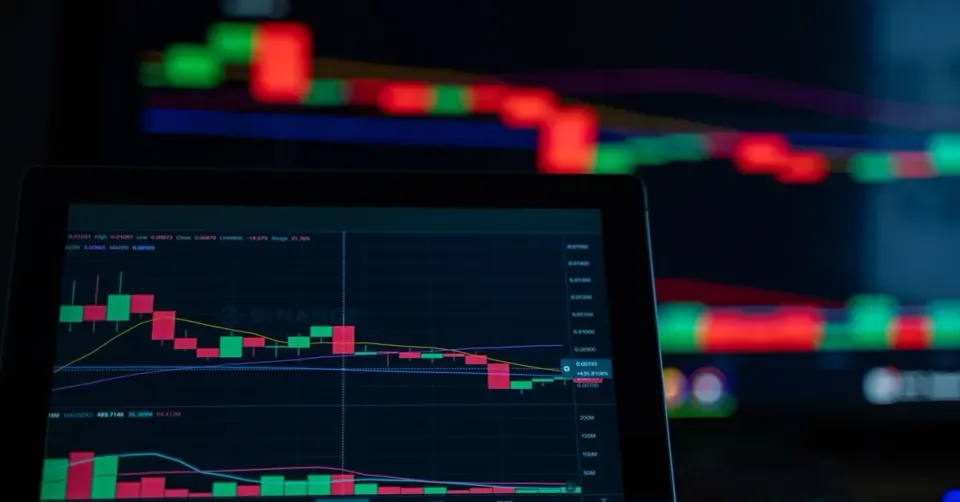
We are seeing a similar 'bottleneck' in the local Iranian market today, though the channel here is liquidity rather than water. Looking at today's data, the US Dollar rose a modest 0.5%, moving from 195,400 to 196,400 Toman. However, the Emami gold coin didn't follow that linear path—it exploded by 3.8%, hitting 217,000,000 Toman. Why the massive gap? This is the 'Liquidity Bottleneck.' When uncertainty rises—perhaps fueled by geopolitical rhetoric regarding 'economic D-Day' or regional tensions—investors rush toward a narrow exit: physical gold.
Because the supply of physical coins is limited compared to the sudden surge in demand, a 'premium' or bubble forms. The price is no longer just 'Gold + Dollar'; it is 'Gold + Dollar + Panic Premium.' For the average user, this means that buying during a spike is often paying for the 'bottleneck' rather than the asset itself. As we see Gold 18k/gram rising 1.2% to 21,676,901 Toman, the outsized move in coins suggests that the market is currently squeezed by a lack of immediate sellers, forcing buyers to pay a high entry fee for safety.

Risk, Accountability, and the Unforeseen
Bottlenecks aren't always about physical goods; sometimes they are about institutional trust. In the UK, the government has ordered a review into the franchising sector following tragic allegations involving Vodafone. This highlights a 'regulatory bottleneck' where the lack of oversight leads to systemic failure. Similarly, the tragic loss of police officers on the A66 reminds us that infrastructure—whether it's a road or a financial clearing system—can fail in an instant, creating immediate shocks to the local economy and public sentiment.
What does this mean for your portfolio? It means diversification is your only defense against a bottleneck. If you are 100% in one asset class (like gold) during a premium spike, you are vulnerable when that bottleneck clears and the premium evaporates. Whether it's a river drying up in Germany or a sudden rush for coins in Tehran, the smartest move is to recognize when you are being charged a 'congestion fee' by the market. Stay liquid, stay diversified, and never buy the peak of a panic-driven bottleneck.
Concept Diagram
Frequently Asked Questions
Why is the price of Emami coin rising much faster than the US Dollar today?
How does a river in Europe like the Rhine affect global prices?
What is the best way to protect a portfolio from 'bottleneck' spikes?
Understanding the Bottleneck Effect in Supply Chains and Markets
The "bottleneck effect" describes a critical point of congestion in a system that restricts flow, leading to delays, increased costs, and often inflated prices. Imagine a wide river suddenly narrowing to a tight channel; all the boats must slow down, creating a queue and limiting the total volume of traffic. In economics, this concept applies broadly, from physical supply chains to financial markets, highlighting how a single constrained point can ripple through an entire system, causing significant disruptions and price volatility.
In supply chains, a bottleneck might manifest as a crucial transportation route, like the Rhine River, experiencing low water levels that reduce barge capacity. This directly impacts the movement of raw materials and finished goods, increasing freight costs and delivery times. Companies face higher operational expenses, which are often passed on to consumers as higher prices, contributing to inflation. Similarly, a shortage of a specific component or a limited manufacturing capacity can create a production bottleneck, slowing down output and driving up the cost of the final product.
Beyond physical goods, bottlenecks can also occur in financial systems, often referred to as "liquidity bottlenecks." This happens when access to a particular asset, currency, or even a specific market is restricted. For instance, in an economy facing sanctions or capital controls, obtaining foreign currency or certain commodities might become exceptionally difficult. This scarcity creates a significant premium for the restricted item, as seen with the "Emami Coin premium" or the volatility of the Iranian Toman, where limited access drives up prices for those who can acquire them. Such financial bottlenecks can also fuel market psychology, leading to speculative buying, hoarding, and increased counterparty risk as participants seek alternative, often riskier, ways to bypass the constraints.
Ultimately, understanding the bottleneck effect is crucial for businesses and policymakers. Identifying and mitigating these choke points—whether through infrastructure investment, diversification of supply sources, or strategic financial policies—can help stabilize markets, reduce inflationary pressures, and ensure smoother economic operations. Ignoring them, however, can lead to prolonged periods of instability, high prices, and reduced economic efficiency.