Bitcoin ETFs Surge with $731M: What This Institutional Wave Means for Your Crypto Portfolio
هجوم ۷۳۱ میلیون دلاری به ETFهای بیتکوین: موج نهادی جدید چه معنایی برای سبد رمزارز شما دارد؟
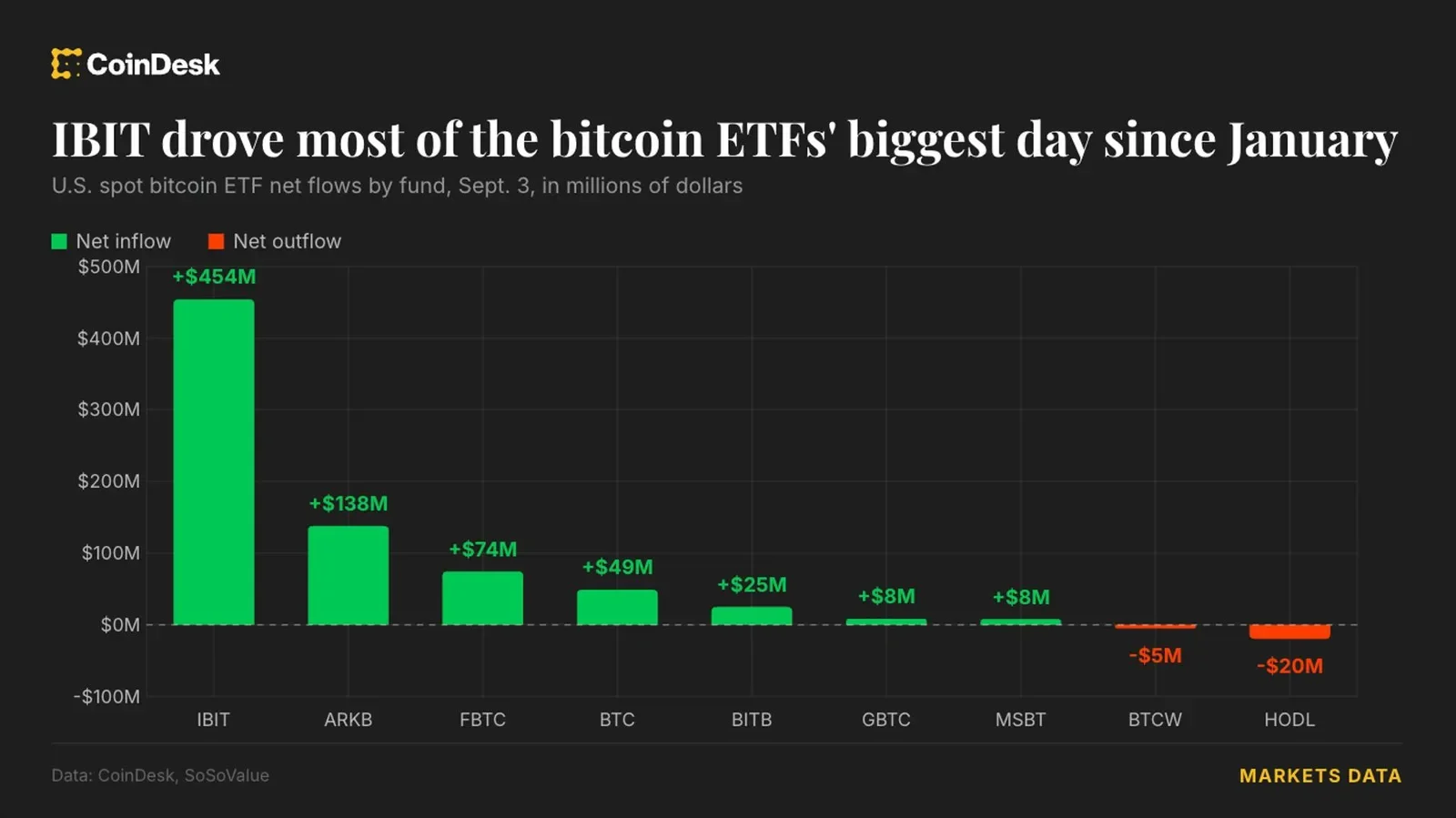
Bitcoin recently surged past $81,000, fueled by a massive $731 million inflow into U.S. spot Bitcoin ETFs—the largest daily jump since January. This renewed institutional interest signals a shift in market sentiment, impacting not just Bitcoin but also the broader crypto landscape and how Iranian investors view digital assets.
At time of publishing
USD
221,700
Toman
Gold 18K
23.25M
Toman / gram
Bitcoin
$81,008
US Dollar
Tether
220,999
Toman
The New Wave of Institutional Money Reshaping Bitcoin's Trajectory
Bitcoin's ascent above the $81,000 mark is far from a mere speculative rally; it's a testament to a significant shift in the institutional landscape. Just yesterday, U.S. spot Bitcoin Exchange-Traded Funds (ETFs) witnessed an astonishing $731 million in net inflows, marking their most substantial single-day capital injection since January. This monumental influx, largely dominated by BlackRock's IBIT fund which accounted for over half the total, propelled the aggregate net assets across all Bitcoin ETFs beyond the $103 billion threshold for the first time. This isn't just retail enthusiasm; it signifies a deepening comfort and commitment from traditional finance giants towards the digital asset space.
This surge in institutional appetite for Bitcoin is intrinsically linked to broader macroeconomic signals. One key factor driving this renewed risk-on sentiment is the fading probability of a Federal Reserve interest rate hike in September. As traders recalibrate their expectations, betting on a coin-flip chance for a rate increase, the allure of higher-risk, higher-reward assets like Bitcoin grows. Lower interest rates typically reduce the attractiveness of traditional, safer investments, pushing capital towards more growth-oriented or speculative assets. This dynamic creates a fertile ground for Bitcoin, which, despite its volatility, offers substantial upside potential in a favorable monetary environment.
Why This Matters for Iranian Investors: Risk Appetite and Local Dynamics
For Iranian investors, this global institutional embrace of Bitcoin carries significant implications. When major global financial players pour hundreds of millions into an asset like Bitcoin, it sends a powerful signal of renewed confidence and increased risk appetite across the global market. This sentiment often trickles down, influencing individual investors who might see this as a cue to re-enter or increase their exposure to the crypto market. The current Bitcoin price of $81,008 USD reflects this robust demand, indicating a strong positive momentum that can inspire local interest.
Moreover, the heightened activity in Bitcoin often correlates directly with demand for stablecoins like USDT within Iran. As more investors engage with the crypto market, whether for trading or as a store of value, the need for a stable bridge between fiat and volatile cryptocurrencies intensifies. Today's USDT price in Toman, at 220,999, stands very close to the USD sell rate of 221,700, reflecting strong local demand and liquidity. For many Iranians, cryptocurrencies, particularly Bitcoin, have historically served as a critical hedge against persistent inflation and the depreciation of the local currency, a role traditionally played by assets like gold. While 18k gold gram saw a slight dip of -0.4% today (to 23,251,304 Toman), Bitcoin's upward trajectory reaffirms its perceived value as an alternative store of wealth.

The Broader Crypto Horizon and Navigating What's Next
The ripple effects of Bitcoin's institutional surge extend beyond just the flagship cryptocurrency. The entire crypto market is experiencing a uplift, with Ethereum holding strong at $2,522.06 and other tokens like Zcash experiencing notable jumps, leading with a 15% increase. This broad-based rally suggests that the positive sentiment surrounding Bitcoin ETFs is translating into a wider embrace of digital assets. The market's overall health is improving, moving beyond Bitcoin-specific narratives to a more generalized optimism about the future of decentralized finance and blockchain technology.
Looking ahead, investors should closely monitor key technical levels, such as the $83,000 resistance point flagged by analysts, which could be a critical test for Bitcoin's sustained upward momentum. Continued clarity from the Federal Reserve regarding future monetary policy will also play a crucial role in shaping market sentiment. While the focus is heavily on Bitcoin, other developments within the crypto ecosystem, such as the ongoing debate around tokenized shares highlighted by AMC's CEO slamming Robinhood, underscore the evolving regulatory and structural challenges the industry faces. These discussions, while not directly tied to ETF inflows, are vital for the long-term maturation and integrity of the digital asset market. As always, while the current outlook appears promising, thorough research and a clear understanding of market volatility remain paramount for any investor.

Concept Diagram
Frequently Asked Questions
What is a Bitcoin ETF and why are these inflows significant?
How do Federal Reserve interest rate expectations influence Bitcoin's price?
Why do Iranian investors often turn to Bitcoin or USDT?
What are the primary risks associated with investing in Bitcoin ETFs?
How does institutional inflow differ from retail investor interest in terms of market impact?
Understanding Bitcoin Exchange-Traded Funds (ETFs)
An Exchange-Traded Fund (ETF) is an investment fund that holds assets like stocks, bonds, or commodities, and trades on stock exchanges just like regular stocks. ETFs offer investors a way to diversify their portfolios and gain exposure to various markets or asset classes without directly buying and holding the underlying assets. For instance, an investor can buy shares of an S&P 500 ETF to gain exposure to the performance of the 500 largest U.S. companies, rather than purchasing each stock individually.
Bitcoin ETFs specifically allow investors to gain exposure to the price movements of Bitcoin without the complexities of directly purchasing, storing, and securing the cryptocurrency. While some earlier Bitcoin ETFs tracked futures contracts (agreements to buy or sell Bitcoin at a predetermined future price), the recent approval of spot Bitcoin ETFs by regulators in the U.S. has been a game-changer. Spot ETFs directly hold actual Bitcoin, meaning that for every share of the ETF purchased, there is a corresponding amount of Bitcoin held in custody by the fund.
The significance of spot Bitcoin ETFs, particularly with the involvement of major asset managers like BlackRock, lies in bridging the gap between traditional finance and the nascent cryptocurrency market. These ETFs provide a regulated, accessible, and familiar investment vehicle for institutional investors, pension funds, and even cautious retail investors who might have been hesitant to venture into the unregulated and often complex world of direct crypto ownership. This institutional endorsement lends credibility and legitimacy to Bitcoin as an asset class.
The surge in Bitcoin ETF investments, as highlighted by the $731 million inflow, indicates a growing institutional appetite for digital assets. This influx of capital can significantly increase liquidity in the Bitcoin market, potentially leading to greater price stability and reduced volatility over time. More importantly, it signals a deeper integration of Bitcoin into the broader financial system, accelerating its mainstream adoption and potentially influencing its long-term valuation as it becomes a more widely accepted and easily tradable asset for a diverse range of investors.