Beyond HODLing: How Coinbase’s New BTC Loans Turn Your Crypto into a Financial Shield
فراتر از هولد کردن: وامهای جدید بیتکوین در کوینبیس؛ چگونه ارز دیجیتال به سپر مالی تبدیل میشود؟
As Bitcoin nears $86,000, new financial tools are allowing investors to borrow cash against their holdings rather than selling. We explain how collateralized lending works and why it matters for long-term wealth preservation in a volatile market.
At time of publishing
USD
229,600
Toman
Gold 18K
23.51M
Toman / gram
Bitcoin
$85,963
US Dollar
Tether
229,560.968
Toman
The Fear of Selling and the Power of Collateral
In the world of finance, the greatest fear for an investor isn't just a price drop—it's the fear of missing out on a future rally because they were forced to sell too early. This sentiment of being 'trapped' by circumstances is echoed in today's global news, such as the tragic reports from Australia where Jesse Baird felt 'petrified' and powerless in the face of a threat. In the financial markets, powerlessness often comes from a lack of liquidity. When you need cash but your wealth is tied up in assets like Bitcoin or Gold, you are often forced to sell at a price you don't like. However, the industry is evolving to provide 'shields' against this necessity.
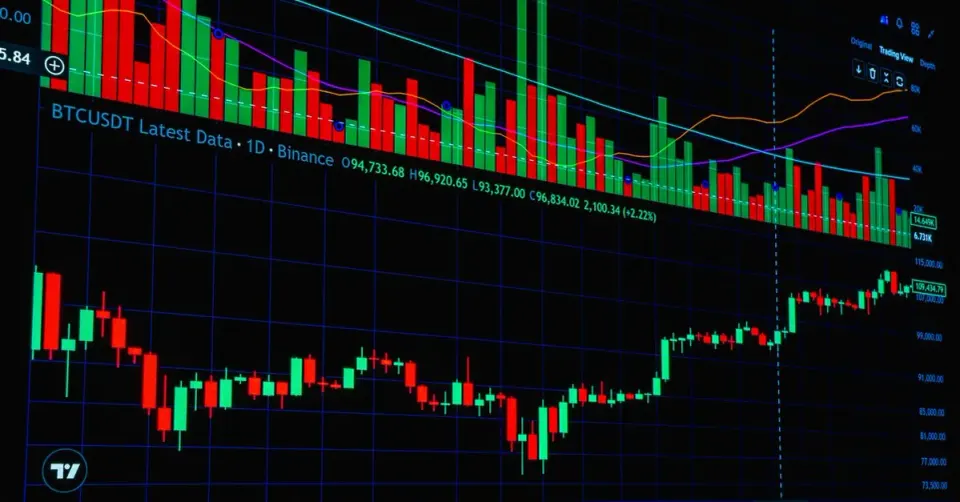
Coinbase has recently announced a major shift for its users, allowing them to borrow the USDC stablecoin against their Bitcoin at a fixed interest rate. This is what we call 'collateralized lending.' Instead of selling your Bitcoin—which is currently holding steady near $85,963—you 'lock' it in a smart contract. In return, you get cash to spend on real-world needs. If Bitcoin's price rises while you have the loan, you still own the upside. This turns Bitcoin from a speculative token into a productive financial asset, similar to how a business owner might take a loan against their factory rather than selling the building.
Why Traditional Giants are Fading
While new lending tools are emerging, the old guard of the crypto world is facing a different reality. BitMEX, once the king of crypto derivatives, has officially ended its exchange operations after 11 years. This marks a massive transition in the market. The era of pure, high-risk gambling is being replaced by regulated, utility-focused services. BitMEX's closure is a signal that the 'Wild West' phase of crypto is ending, making way for platforms that act more like digital banks. For the Iranian investor, this means the tools available are becoming more sophisticated and safer, provided they use reputable platforms.
This shift toward stability is also visible in geopolitics. In Australia, politician Angus Taylor is pushing to repeal climate policies to prioritize 'affordable and reliable' energy. Markets crave this kind of predictability. When rules change suddenly, or when platforms like BitMEX close, it creates a 'flight to quality.' Investors move their capital toward assets and systems that offer clear rules and protections. In the crypto space, being able to borrow against your asset (as seen with Coinbase) is a sign of a maturing ecosystem that values long-term holding over short-term flipping.

The Iranian Context: Gold, Toman, and Strategy
How does this apply to the local market in Tehran? Today, we see a slight cooling in prices. The USD/IRR rate dropped 0.8% to 229,600 Toman, and 18k Gold fell 1.7% to 23,512,165 Toman per gram. In a market where the Toman can be volatile, many Iranians treat Gold and Bitcoin as their 'ultimate collateral.' Even as the Iranian wushu team secures medals at the 2026 Asian Games, bringing a sense of national pride, the economic reality remains one of seeking 'hard' assets to hedge against inflation.
When local prices dip, as they have today, the instinct might be to panic. But understanding 'collateral' changes your perspective. If you view your Gold or Bitcoin as a foundation you never want to sell, you look for ways to gain liquidity without losing your position. While we don't have direct access to Coinbase's lending in Iran due to sanctions, the global trend toward 'DeFi' (Decentralized Finance) offers similar tools that are borderless. Learning how to use Bitcoin as a tool for credit, rather than just a digital lottery ticket, is the next step for the sophisticated Iranian investor. It is about moving from a mindset of 'fear' to a mindset of 'financial engineering.'

Concept Diagram
Frequently Asked Questions
وام با وثیقه ارز دیجیتال چیست و چه مزایایی دارد؟
چرا صرافی BitMEX تعطیل شد و این چه پیامی برای بازار دارد؟
آیا در ایران هم میتوان از ارز دیجیتال برای گرفتن وام استفاده کرد؟
Collateralized Crypto Loans: Accessing Liquidity Without Selling Your Digital Assets
In the rapidly evolving world of digital finance, "collateralized crypto loans" have emerged as a powerful tool, allowing cryptocurrency holders to access liquidity without having to sell their valuable assets. Unlike traditional bank loans where you might pledge real estate or a car, these loans involve using your Bitcoin or other cryptocurrencies as collateral. This mechanism is particularly appealing to long-term investors, often referred to as "HODLers," who believe in the future appreciation of their crypto and wish to avoid capital gains taxes or simply maintain their exposure to the asset while still needing cash for immediate expenses or investments.
The process typically begins with a borrower pledging a certain amount of cryptocurrency to a lending platform, like Coinbase in the headline's example, or a decentralized finance (DeFi) protocol. In return, they receive a loan, often denominated in a stablecoin like USDC or even fiat currency. The loan amount is usually a fraction of the collateral's value, determined by a "Loan-to-Value" (LTV) ratio. For instance, an LTV of 50% means you can borrow $50 for every $100 worth of crypto collateral. This buffer is crucial because cryptocurrency prices are notoriously volatile.
A key feature and risk of collateralized crypto loans is the "liquidation threshold." If the value of the pledged collateral drops significantly due to market fluctuations, falling below a certain LTV ratio, the lending platform may automatically liquidate (sell) a portion or all of your collateral to cover the loan. This protects the lender but can result in significant losses for the borrower, especially if they are forced to sell at an unfavorable price. Borrowers often receive margin calls or notifications to add more collateral (top-up) to prevent liquidation.
Despite the risks, these loans offer a unique form of financial flexibility. For individuals in economies facing high inflation or currency instability, such as those implied by references to the Toman exchange rate, collateralized crypto loans can act as a "financial shield." They allow holders to unlock the value of their appreciating crypto assets to meet local currency needs or invest in traditional markets (like gold in Tehran) without divesting from their digital holdings, thus preserving their long-term investment strategy while navigating immediate financial pressures.
Topics
Related Articles