Institutional Giants and the $85K Bitcoin: Why Iranian Traders are Paying a Premium for USDT
هجوم غولهای والاستریت به بیتکوین ۸۵ هزار دلاری؛ چرا تتر در بازار ایران گرانتر شد؟
As Bitcoin nears historic highs with $1 billion in daily ETF inflows, the Iranian market is reacting with a sharp 1.7% jump in the US Dollar. We explore how global institutional demand and local risk sentiment are creating a unique 'Tehran Premium' for digital assets.
At time of publishing
USD
233,500
Toman
Gold 18K
23.92M
Toman / gram
Bitcoin
$85,831
US Dollar
Tether
233,239.109
Toman
Wall Street's $1 Billion Vote of Confidence
The cryptocurrency market is no longer the Wild West it once was. On Monday, spot Bitcoin ETFs recorded a staggering $1 billion in net inflows, marking one of the largest single-day entries in financial history. This isn't just retail hype; it is a fundamental shift in how the world’s largest institutions view digital assets. When companies like BlackRock and Fidelity buy Bitcoin at this scale, they aren't looking for a quick flip. They are building a foundation of liquidity that, as Solstice CEO Ben Nadareski recently noted, is beginning to dampen the extreme boom-and-bust cycles we saw in previous years. For the Iranian investor, this means Bitcoin is moving away from being a 'speculative gamble' and toward becoming a legitimate global reserve asset, much like gold.
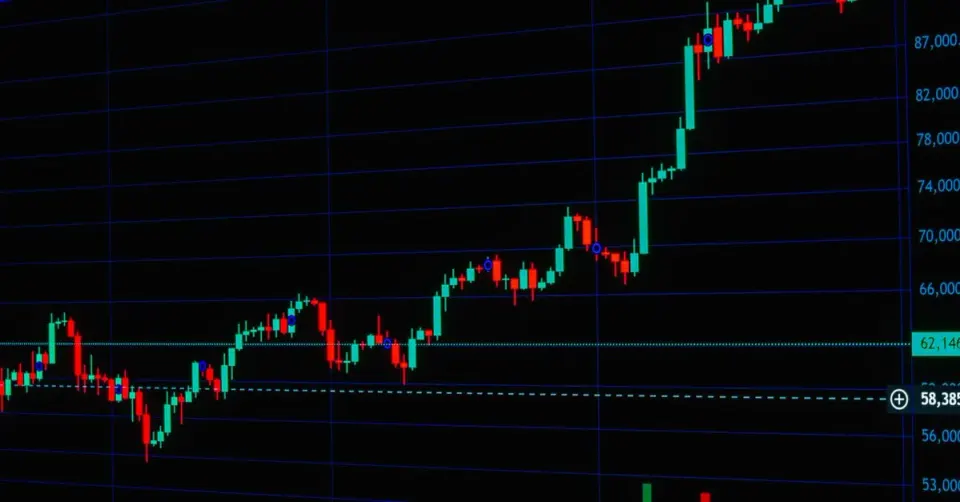
However, this institutionalization comes with a catch. As Bitcoin climbs toward $85,831, it creates a massive demand for liquidity in the form of stablecoins like USDT. In Tehran, we are seeing this play out in real-time. While the global price of Bitcoin is rising, the local price of the US Dollar in Iran has also climbed by 1.7% today, moving from 229,600 to 233,500 Toman. This double-whammy—a rising asset priced in a rising local currency—creates a surge in the 'Teter' price, which currently sits at 233,239 Toman. It effectively means Iranians are paying a higher entry fee to join the global crypto rally than their counterparts in more stable economies.
Global Fragility and the Search for Safety
Markets do not exist in a vacuum. While the numbers on our screens look like math, they are actually reflections of human psychology and global stability. Recent headlines remind us how fragile the social and geopolitical fabric can be. From the tragic news of domestic violence in Australia’s Blue Mountains to the engineered certainty of Russia’s recent elections, where Vladimir Putin remains firmly in control, the world feels increasingly unpredictable. Even scientific discoveries, such as the recent findings on the severity of the Kent meningitis outbreak, serve as a reminder that biological and social risks are always lurking. In financial terms, this unpredictability is called 'volatility,' and it drives investors toward 'safe havens.'
When the news cycle is dominated by stories of instability—whether it's political maneuvering in Moscow or social unrest abroad—investors tend to pull back from risky ventures and put their money into assets they perceive as 'uncorrelated' to the traditional system. This is why we see Gold 18k/gram rising 0.8% today to 23,916,154 Toman, and the Emami coin jumping 1.5% to 237.5 million Toman. The Iranian market is particularly sensitive to these shifts because the Toman often acts as a barometer for regional tension. When global news feels heavy, the demand for gold and hard currency in Tehran spikes almost instantly.
The Technology Frontier: From F1 to Meta Quest
To understand where the market is going, we must look at where the technology is being applied. Much like Formula 1 is experimenting with sprint races in Monaco to increase engagement and test new formats, the financial world is testing new digital infrastructures. We are seeing a massive push into Virtual Reality and Artificial Intelligence, evidenced by the latest Meta Quest 3 and Ray-Ban AI glasses promotions. These aren't just gadgets; they are the interfaces through which we will eventually manage our digital wealth. The Australian Treasury's recent economic outlook specifically highlighted the 'AI revolution' as a primary driver of future growth, even if they have been slow to officially recognize the role of crypto.
For the average user in Iran, this means the 'fintech' world is merging with everyday life. The tools we use to track the price of a Nim Seke (currently 121,000,000 Toman) are becoming more sophisticated, driven by the same AI trends reshaping the global economy. As we look ahead, the challenge for Iranian investors is not just watching the price of the Dollar, but understanding the underlying technology. Whether it is the 'ethical' decentralization of prediction markets like Trueo or the expansion of deep-tech companies like Morphotonics into data centers, the message is clear: the future of money is digital, decentralized, and increasingly automated. Staying ahead means looking beyond the daily price fluctuations and understanding the structural changes happening in the global tech landscape.
Concept Diagram
Frequently Asked Questions
چرا قیمت تتر در ایران گاهی از قیمت دلار کاغذی بیشتر میشود؟
ورود سرمایه به ETFهای بیتکوین چه تاثیری بر سرمایهگذار خرد ایرانی دارد؟
آیا رشد قیمت طلا در بازار ایران صرفاً به دلیل قیمت دلار است؟
The USDT Premium: A Barometer of Sanctions and Currency Controls
Tether (USDT) is designed to be a 'stablecoin,' meaning its value is pegged to a stable asset, typically the U.S. dollar, at a 1:1 ratio. In a normal, free-market environment, one USDT should always trade for approximately one U.S. dollar. However, in certain economic contexts, particularly those affected by severe capital controls or international sanctions, stablecoins like USDT can trade at a significant 'premium.' This means that local traders are willing to pay substantially more than one U.S. dollar equivalent in their local currency to acquire one USDT.
This phenomenon is acutely observed in economies like Iran. Decades of stringent international sanctions have largely isolated Iran from the global financial system, making it exceedingly difficult for individuals and businesses to access foreign currencies, especially the U.S. dollar, through official banking channels. Compounding this challenge is the persistent volatility and high inflation experienced by the local currency, the Iranian Rial (or Toman), which erodes purchasing power and savings.
In such an environment, the demand for a stable store of value and a reliable medium for international transactions skyrockets. USDT, despite its inherent risks and the premium attached, becomes a critical lifeline. It offers a relatively stable alternative to the depreciating local currency and acts as a gateway to international markets and assets, including other cryptocurrencies like Bitcoin. The premium paid for USDT in Iran directly reflects the high cost and difficulty of circumventing official financial restrictions and accessing hard currency.
Essentially, the USDT premium serves as an economic barometer, signaling the extent of financial isolation and the desperation for stable assets within a sanctioned economy. It highlights how cryptocurrencies, originally conceived as decentralized alternatives to traditional finance, can become indispensable tools for ordinary citizens and businesses seeking to preserve wealth and participate in the global economy when traditional avenues are blocked.
Topics
Related Articles