
UK Politics & Crypto: How UK Policy Shifts Can Impact Global Risk Appetite and Bitcoin
سیاست بریتانیا و رمزارز: چگونه تغییرات سیاستی در بریتانیا بر اشتهای جهانی ریسک و بیتکوین تأثیر میگذارد
UK politicians are debating childcare subsidies for the wealthy, a seemingly local issue. However, such policy discussions can ripple outwards, influencing global investor sentiment and, consequently, the price of cryptocurrencies like Bitcoin. Understanding these connections is crucial for navigating today's interconnected markets.
At time of publishing
USD
271,500
Toman
Gold 18K
26.61M
Toman / gram
Bitcoin
$85,265
US Dollar
Tether
269,986
Toman
The Ripple Effect of Policy Debates
This past week, a prominent topic in UK political discourse has been the debate surrounding childcare subsidies. Specifically, the Conservative party, represented by figures like Kemi Badenoch, has been discussing extending these benefits even to high-income earners. The argument presented is that such policies are designed to support working families, preventing individuals from reducing their working hours or leaving the workforce altogether due to the high cost of childcare. Badenoch emphasized that the goal is to ensure that people who work harder are not penalized for doing so, citing an example of a deputy headteacher whose career progression could be hampered by childcare costs.
While this debate might seem confined to the domestic policy landscape of the United Kingdom, its implications can extend far beyond. Economic policies, especially those debated at the highest levels of government, serve as indicators of a nation's broader economic philosophy and its approach to fiscal management. When major economies signal a willingness to expand public spending or adjust tax policies in ways that might be perceived as favoring certain groups, it can influence global investor sentiment. This sentiment is a powerful, albeit often intangible, force that drives capital flows and asset valuations worldwide.
---
Connecting Policy to Crypto: Risk Appetite and Investor Behavior
The connection between domestic UK politics and the global cryptocurrency market, particularly Bitcoin, might not be immediately obvious. However, the cryptocurrency market is highly sensitive to shifts in global risk appetite. When investors feel more confident about the global economic outlook and the stability of major economies, they tend to move towards riskier assets, which can include cryptocurrencies. Conversely, uncertainty, perceived fiscal irresponsibility, or signs of economic instability in major economies can lead investors to pull back from riskier assets and seek safer havens.
Discussions around significant government spending or policy shifts, even if seemingly targeted, can contribute to this broader sentiment. If investors interpret these policies as signs of potential fiscal strain or a departure from traditional economic prudence in a major economy like the UK, it can trigger a re-evaluation of risk. This re-evaluation can lead to a decrease in demand for speculative assets like Bitcoin, pushing its price down. The current market shows Bitcoin trading around $85,265, a level sensitive to such shifts in investor confidence.

Furthermore, the demand for stablecoins, such as USDT, is also indirectly affected. In times of market uncertainty or anticipated volatility, investors often move capital into stablecoins as a temporary hedge. If global risk sentiment deteriorates due to policy signals from major economies, we could see an increased demand for stablecoins, potentially impacting their price in local currencies like the Iranian Toman, which is currently trading around 269,986 Toman for USDT. This underscores how interconnected seemingly disparate markets have become.
---
The Iranian Perspective: Local Impact of Global Sentiment
For investors in Iran, understanding these global dynamics is particularly critical. The Iranian Rial (IRR) is often subject to significant volatility influenced by international sanctions, geopolitical tensions, and global economic trends. Consequently, many Iranians turn to cryptocurrencies, including Bitcoin and stablecoins like USDT, as a means of preserving wealth and hedging against domestic currency depreciation.
When global risk appetite shifts, it doesn't just affect the USD price of Bitcoin or USDT; it also impacts their exchange rate against the Iranian Toman. For instance, the recent 1.1% rise in the USD/IRR exchange rate, pushing it to 271,500, indicates ongoing pressure on the Toman. If global sentiment turns negative, leading to a drop in Bitcoin's USD price and a simultaneous increase in demand for stablecoins from international investors, the effect on the Toman could be amplified. Conversely, positive global sentiment might lead to a more stable or even appreciating Toman, indirectly benefiting crypto investors in Iran.
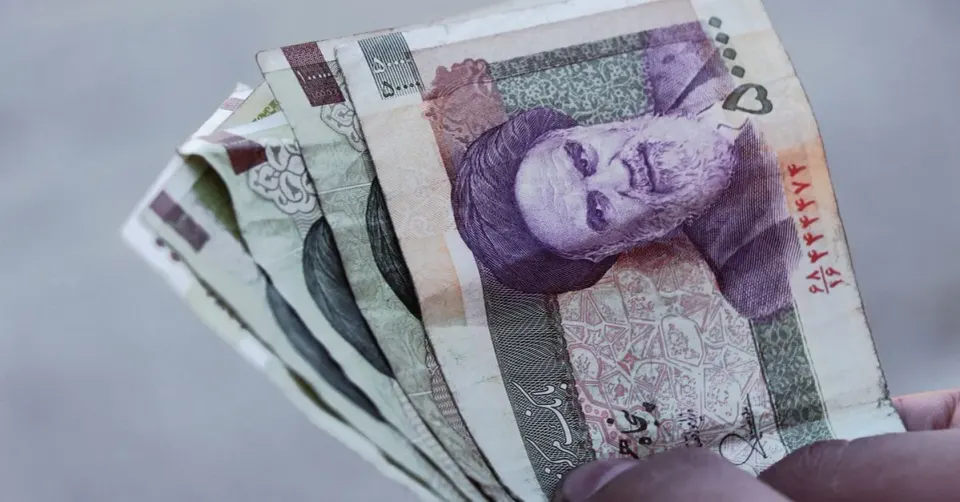
The recent increases in local markets, such as the 1.1% rise in the Emami coin and a 1.6% increase in 18k gold per gram, reflect a local demand for inflation hedges amid broader economic uncertainties. These movements can be influenced by both domestic factors and global trends. A significant shift in global risk sentiment, triggered by events like the UK policy debates, could either reinforce or counteract these local price movements, making it essential for Iranian investors to monitor both international news and their own market indicators. The interconnectedness means that what happens in a parliamentary debate in Birmingham can, through a complex chain of investor psychology and capital flows, eventually influence the price of gold or crypto in Tehran.
Concept Diagram
Frequently Asked Questions
How can a UK childcare policy debate affect Bitcoin prices?
What is the role of stablecoins like USDT in this scenario?
Why is this particularly relevant for Iranian investors?
How do local Iranian market movements relate to global events?
Regulatory Arbitrage in the Crypto Market
Regulatory arbitrage occurs when firms or investors move their activities to jurisdictions with more favorable rules, exploiting differences in national policies to reduce compliance costs or gain competitive advantages. In the context of digital assets, a sudden tightening of the United Kingdom’s crypto regulations can push trading platforms, stable‑coin issuers, and Bitcoin miners to relocate operations to friendlier environments such as the European Union, Singapore, or offshore crypto‑friendly hubs. This migration reshapes the global supply chain of liquidity and can amplify or dampen investors’ willingness to take on risk, a phenomenon known as global risk appetite.
When the UK signals stricter oversight of stablecoins like USDT, market participants may anticipate higher compliance burdens and potential restrictions on fiat on‑ramps. Consequently, they might shift capital toward less‑regulated markets, driving up Bitcoin’s price as demand concentrates in jurisdictions where trading remains smoother. Conversely, heightened regulatory certainty can also boost confidence among institutional investors who fear legal ambiguity, thereby increasing overall market participation. The net effect on Bitcoin and other cryptocurrencies hinges on the balance between these two forces.
The ripple effects extend far beyond the UK. Countries with limited access to traditional banking—such as Iran, which faces extensive sanctions—rely heavily on crypto as a bridge to the global economy. If major stablecoin ecosystems become fragmented due to regulatory arbitrage, Iranian users may experience higher transaction costs or reduced access to USDT, prompting them to seek alternative stablecoins or decentralized solutions. This shift can alter the country’s macro‑economic dynamics, influencing inflation expectations and the broader sentiment of investors watching emerging‑market exposure.
Understanding regulatory arbitrage helps investors anticipate where liquidity will flow after a policy change, why Bitcoin often reacts sharply to news about national crypto rules, and how geopolitical constraints shape the global crypto landscape. By tracking the regulatory tone in key economies, market participants can better gauge future risk‑adjusted returns and the stability of the digital‑asset ecosystem.