
US Diesel Export Ban Threatens Global Inflation, Boosting Gold & Reshaping Crypto
تهدید ممنوعیت صادرات دیزل آمریکا: تورم جهانی و تحول در بازار طلا و کریپتو
A potential U.S. diesel export ban could send shockwaves through global energy markets, driving up inflation and pushing investors towards safe havens like gold. Meanwhile, significant developments in the crypto space, such as Tether's move to Bitcoin for private transfers, reflect a broader shift towards decentralized finance amid economic uncertainty. Understanding these interconnected trends is key for navigating today's complex financial landscape.
At time of publishing
USD
258,700
Toman
Gold 18K
25.86M
Toman / gram
Bitcoin
$86,336
US Dollar
Tether
257,314
Toman
The Global Energy Shockwave: Why a US Diesel Ban Matters for Your Wallet
The global economy is a complex web, and a single policy shift in one major player can send ripple effects across continents, impacting everything from energy prices to the value of your savings. Right now, a hypothetical but increasingly discussed prospect of a U.S. diesel export ban is casting a long shadow, threatening to exacerbate inflation and shift investor focus towards traditional safe havens like gold, while also highlighting evolving trends in the crypto space. For investors in Iran, understanding these interconnected global dynamics is crucial for navigating local market volatility.
A recent report by Goldman Sachs has brought into sharp focus the potential fallout of a U.S. ban on diesel exports. While such a move aims to stabilize domestic fuel prices, its international repercussions would be severe, particularly for Latin America. Countries like Mexico, Ecuador, Chile, and Peru rely on U.S. diesel imports for up to 50% of their consumption. Goldman Sachs warns that cutting off this supply would deliver a "tremendous shock and blow" to these economies, driving up prices and potentially triggering broader economic instability. Even Europe, which has diversified its energy sources, would feel the pinch. This potential policy, though not yet enacted, underscores the fragility of global energy supply chains and the immediate inflationary pressures that can arise from such disruptions.

The implications extend far beyond regional economies. Any significant disruption to diesel supply in the U.S., a major global exporter, would inevitably drive up international crude oil prices. Brent crude, which currently trades around $102.24 per barrel, already reflects a volatile global energy market, influenced by factors like strong Persian Gulf export rebounds and intermittent U.S. military movements in the Middle East. If a diesel export ban were to materialize, it would add immense upward pressure, potentially pushing oil prices significantly higher. This rise in energy costs would translate directly into increased expenses for transportation, manufacturing, and food production globally, fueling inflation and eroding purchasing power for consumers everywhere, including in Iran.
Gold's Enduring Appeal and Crypto's Evolving Role Amidst Uncertainty
In times of heightened economic uncertainty and inflationary fears, traditional safe-haven assets often shine. Gold, with its long-standing reputation as a store of value, is once again attracting investor attention. Today, as these global energy concerns loom, the price of 18-karat gold per gram in Iran rose by a notable 0.6%, moving from 25,719,100 Toman to 25,864,536 Toman. This modest but significant increase reflects a common pattern: when the stability of traditional economies and currencies is questioned, investors often turn to gold to preserve their wealth against inflation and geopolitical risks. The ongoing political discussions, such as the Australian Greens' internal debate over leadership, while seemingly localized, contribute to a broader atmosphere of political flux that can subtly influence global risk appetite and drive demand for perceived stable assets.
Parallel to the renewed interest in gold, the cryptocurrency landscape continues to evolve, presenting both opportunities and challenges. While some reports, like the 78% fall in operating profits for South Korean crypto exchanges in the first half of 2026, suggest a broader trading slump in certain markets, other developments point to a maturation of the crypto ecosystem. Notably, Tether's USDT stablecoin is making a significant move "home" to Bitcoin this month. A new Tether-backed project, Utexo, plans to facilitate private USDT transfers, direct swaps between BTC and USDT, and even Bitcoin-backed loans, largely keeping transaction data off Bitcoin's public ledger. This initiative signals a push towards greater privacy and decentralization within the stablecoin space, potentially enhancing its resilience and appeal as an alternative financial rail, especially in regions facing economic sanctions or currency instability.
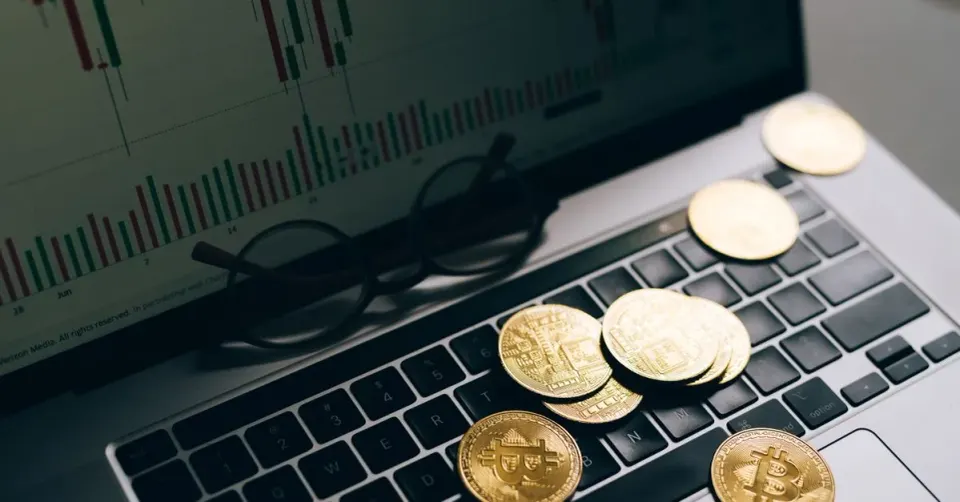
This dichotomy in the crypto world — declining profits in some established exchanges versus innovative moves towards decentralization — reflects a market in transition. For Iranian investors, who often navigate unique economic challenges, the appeal of assets that offer a degree of independence from traditional financial systems remains strong. Bitcoin, currently trading around $86,336 USD, continues to be a focal point, and the ability to conduct private, direct swaps with USDT could enhance its utility and liquidity. These developments suggest that while the broader crypto market faces headwinds, the underlying technology and its potential for financial autonomy continue to attract innovation and interest, offering alternative avenues for wealth preservation and transfer in an unpredictable global environment.
What This Means for Iranian Investors
The interplay of global energy markets, geopolitical shifts, and technological advancements in finance creates a complex environment for Iranian investors. The potential U.S. diesel export ban, even as a hypothetical, highlights the acute sensitivity of global commodity prices to policy decisions and geopolitical tensions. Higher energy prices abroad inevitably translate into inflationary pressures domestically, impacting the cost of goods and services within Iran. While the USD/IRR rate remained stable today at 258,700 Toman, the underlying currents of global inflation and risk aversion are constantly at play, influencing the real purchasing power of the Toman.
Understanding these global dynamics empowers investors to make more informed decisions. The consistent demand for gold as a hedge against inflation and currency devaluation is a clear takeaway, as evidenced by today's price movements. Simultaneously, keeping an eye on the evolving crypto space, particularly innovations like Tether's move towards greater decentralization on Bitcoin, offers insights into alternative strategies for wealth management. As the world becomes increasingly interconnected, monitoring these diverse global signals — from energy policy shifts to crypto infrastructure developments and even localized political uncertainties like those in Australia — provides a clearer picture of the forces shaping financial markets and, by extension, personal financial well-being.
Concept Diagram
Frequently Asked Questions
Why would a U.S. diesel export ban specifically affect Latin America so much?
How does a diesel export ban in the U.S. relate to global crude oil prices like Brent?
What is the significance of Tether's USDT moving to Bitcoin, and how does Utexo fit in?
Why is gold considered a safe haven during times of potential inflation from energy shocks?
How do global events like a potential U.S. diesel ban or crypto developments affect the local Iranian market?
Safe Haven Assets and Their Role During Inflation
When global economic stability is threatened, perhaps by an energy market shock like a potential diesel export ban that could fuel inflation, investors often seek "safe haven assets." A safe haven asset is an investment that is expected to retain or even increase in value during periods of market turbulence, economic downturns, or geopolitical uncertainty. Their appeal lies in their perceived ability to protect wealth from the erosive effects of inflation and market volatility, offering a sense of security when traditional investments like stocks or bonds face headwinds.
Historically, gold has been the quintessential safe haven asset. Its enduring appeal stems from several factors: it has intrinsic value, a finite supply, and a long history as a store of value across civilizations. Unlike fiat currencies, gold cannot be arbitrarily printed by governments, making it an attractive hedge against inflation, which erodes the purchasing power of money. When inflation accelerates, the real value of cash diminishes, prompting investors to flock to gold as a tangible asset that tends to hold its value or even appreciate, acting as a reliable preserver of wealth during economic turmoil.
In recent years, cryptocurrencies, particularly Bitcoin, have emerged as a contentious new contender for safe haven status. Proponents argue that Bitcoin shares some key characteristics with gold: a decentralized nature, a limited supply cap (21 million coins), and independence from government control. These features, they contend, make it a potential hedge against inflation and a store of value in a digital age. However, critics point to Bitcoin's extreme price volatility, its relatively short history, and its correlation with riskier tech stocks as reasons it does not yet fully embody the traditional characteristics of a safe haven asset, especially compared to gold's millennia-long track record.
It's also important to distinguish between cryptocurrencies like Bitcoin and stablecoins such as Tether (USDT). While Bitcoin is sometimes considered a speculative safe haven against inflation, stablecoins are designed to maintain a stable value, typically pegged to a fiat currency like the US dollar. Their primary purpose is to facilitate transactions within the crypto ecosystem or to provide a stable store of value within that ecosystem, rather than to act as a hedge against the inflation of the underlying fiat currency itself. Therefore, while they offer stability in a volatile crypto market, they don't serve the same anti-inflationary safe haven role as gold or potentially Bitcoin against broader currency devaluation.