
From Astana to Tehran: Why Transit Corridors are Iran's New Economic Shield
از آستانه تا تهران؛ چرا کریدورهای ترانزیتی سپر جدید اقتصاد ایران هستند؟
As Iran's Road Minister proposes new transit routes with Kazakhstan, we examine how physical infrastructure acts as a hedge against currency volatility. Understanding the 'transit economy' is key to predicting long-term Rial stability beyond simple oil exports.
At time of publishing
USD
263,600
Toman
Gold 18K
26.23M
Toman / gram
Bitcoin
$81,584
US Dollar
Tether
263,012
Toman
The Geopolitics of the Toman
On Saturday, October 17, 2026, the Iranian market saw the USD settle at 263,600 Toman, a slight 0.5% dip from the previous day. While day-traders focus on these minor fluctuations, a much larger structural shift is occurring in Astana. Iranian Minister of Roads, Farzaneh Sadegh, has proposed a significant expansion of transit routes and railway connectivity with Kazakhstan. For the average investor, this might seem like a distant logistics story, but in reality, it is a fundamental shift in how Iran generates foreign currency. When we talk about 'transit,' we are talking about Iran's ability to sell its geography as a service, a revenue stream that is much harder to sanction than physical goods like crude oil.
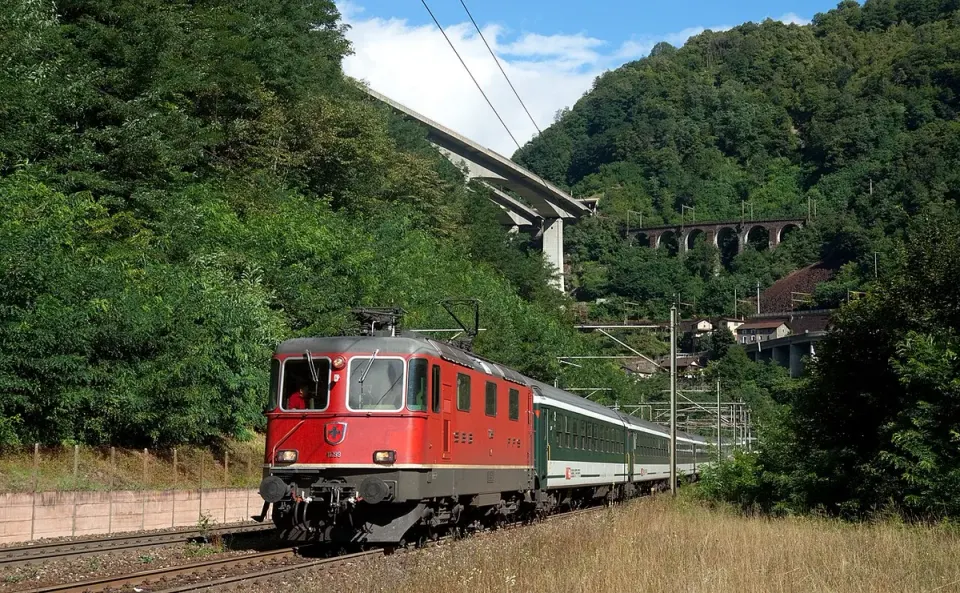
Transit corridors represent a form of 'invisible export.' Every train from Kazakhstan that passes through Iranian territory to reach the Persian Gulf pays fees in hard currency. These fees bypass many of the traditional banking bottlenecks because they are integrated into regional logistics agreements. As global trade routes shift away from traditional maritime paths due to geopolitical tensions, Iran’s position as a bridge between Central Asia and the open sea becomes its most valuable asset. This is why infrastructure news often precedes currency stability; a country with high transit volume has a constant, diversified inflow of foreign exchange that supports the local currency from the bottom up.
Technology: Cracking the Logistics Code
While physical roads are being built, the digital world is seeing its own walls come down. A fascinating development recently emerged where the AI model Claude successfully 'cracked' a 25-year-old mystery involving NSA numbers from the 1990s. While this doesn't directly affect Bitcoin's current security, it highlights a critical trend: AI is becoming the ultimate tool for optimization. In the world of Iranian fintech and logistics, this means that the 'transit economy' will soon be managed by AI-driven systems that calculate the fastest, cheapest, and most secure routes in real-time. For an Iranian investor, this suggests that the future of wealth isn't just in holding assets, but in the efficiency of the systems that move them.
This intersection of AI and logistics is where the next generation of 'smart' trade will happen. If Iran can successfully integrate AI into its new Kazakh transit routes, it can maximize the throughput of goods without needing massive new physical investments. This 'efficiency gain' is equivalent to finding a new oil field. It reduces the cost of imports and increases the value of Iranian services. As we see Bitcoin holding steady above $81,000 despite ETF outflows, it's clear that the global market values digital scarcity and systemic integrity. Iran's push for transit corridors is an attempt to create a similar 'systemic necessity' for its neighbors, making the Iranian economy an indispensable node in the global supply chain.

The Investor’s Takeaway: Beyond the Chart
When you see headlines about 'austerity' or political shifts in the UK or Europe, it's easy to feel that global markets are in a state of permanent chaos. However, for the Iranian reader, the focus should remain on the 'real' economy. Today's gold price of 26,229,281 Toman per gram reflects a global hedge against uncertainty, but local stability will come from projects like the Astana transit proposal. These projects create demand for the Toman by requiring local labor, local fuel, and local maintenance services, all paid for by international trade partners. It is a slow process, but it is the only sustainable way to decouple the Rial from the volatile swings of geopolitical sentiment.
In conclusion, don't just watch the USD/IRR chart on your screen. Watch the progress of the railway links to Kazakhstan and the integration of AI in regional trade. These are the leading indicators of whether the 263,600 Toman exchange rate is a temporary floor or a step toward a more balanced economic future. Diversification today means more than just buying different coins or gold; it means understanding which sectors of the Iranian economy are becoming 'unsanctionable' through regional necessity. Transit is at the top of that list.
Concept Diagram
Frequently Asked Questions
چرا ترانزیت کالا برای قیمت دلار در ایران مهم است؟
آیا هوش مصنوعی واقعاً میتواند به اقتصاد ایران کمک کند؟
رابطه بین قیمت بیتکوین و کریدورهای تجاری چیست؟
The Transit Economy: A Geoeconomic Shield for Nations
A "transit economy" refers to a country's strategic utilization of its geographical location to facilitate the movement of goods, services, and people between other nations, thereby generating significant revenue. Instead of primarily exporting its own products, a transit economy earns income by providing the infrastructure, logistics, and administrative services necessary for international trade to pass through its territory. This concept is particularly vital for countries situated at crossroads of major trade routes, transforming their geographical position from a mere location into a powerful economic asset and a source of national income.
For nations like Iran, which faces external economic pressures and seeks to diversify its revenue streams, developing a robust transit economy offers substantial benefits. Firstly, it generates crucial foreign exchange earnings, which can bolster the stability of the national currency (like the Toman) and fund essential imports. Secondly, it spurs significant investment in infrastructure, including roads, railways, ports, and customs facilities, leading to job creation and technological advancement in logistics and related sectors. This economic model reduces reliance on traditional commodity exports, creating a more resilient and less vulnerable economy, often described as an "economic shield" against sanctions.
From a geoeconomic perspective, transit corridors like the International North-South Transport Corridor (INSTC) are not just about moving goods; they are about reshaping global trade patterns and power dynamics. By offering shorter, more cost-effective, and efficient routes, these corridors can attract significant international traffic, granting the transit nation considerable leverage and influence. The integration of modern technologies such as logistics fintech and artificial intelligence (AI) further optimizes these corridors, enhancing their efficiency, security, and competitiveness, solidifying the transit country's role as a critical hub in the global supply chain.