The Cost of Uncertainty: Why Diplomatic Museums and Foreign Elections are Moving the Toman Today
هزینه بلاتکلیفی؛ چرا افتتاح موزه دیپلماتیک و انتخابات منطقه قیمت دلار را جابهجا کرد؟
As Tehran opens a new museum for diplomatic documents, the market is looking toward the future with anxiety. With the Toman approaching 270,000 and gold rising by 1.3%, we examine how political transitions in the region create a 'risk premium' for your savings.
At time of publishing
USD
269,800
Toman
Gold 18K
26.19M
Toman / gram
Bitcoin
$80,122
US Dollar
Tether
268,946
Toman
The Museum vs. The Market
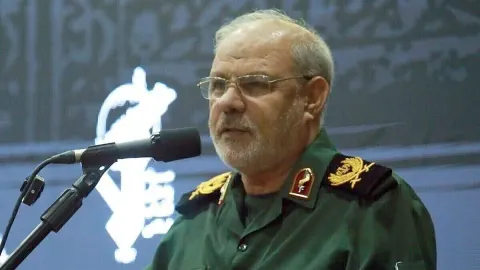
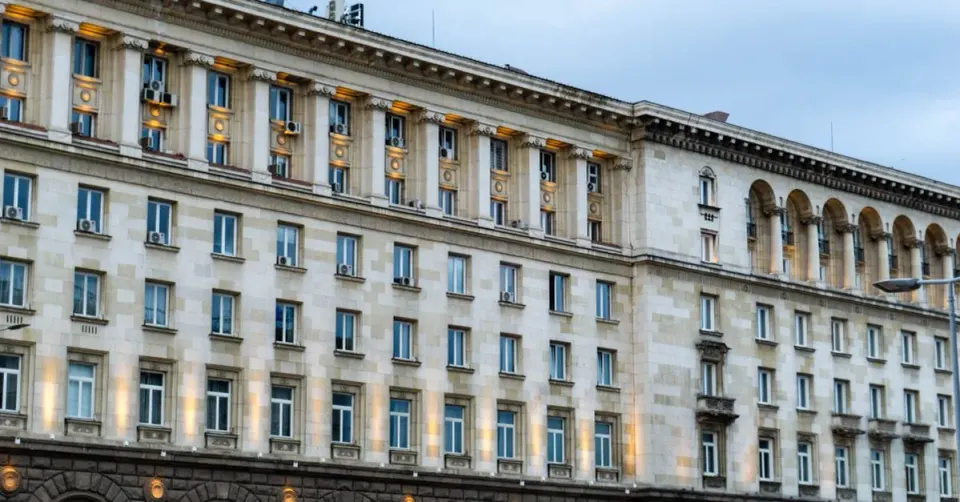
On Sunday, October 25, 2026, Foreign Minister Abbas Araghchi stood in Tehran to open a new documents center and museum honoring former diplomats. While the ceremony focused on preserving the history of Iranian foreign policy, the market outside the museum walls was reacting to a much more volatile present. The US Dollar sell rate climbed to 269,800 Toman, a 0.7% increase in just 24 hours. In the world of finance, there is a stark contrast between 'archived diplomacy' and 'active volatility.' While officials celebrate the documents of the past, investors are pricing in the lack of new, stabilizing agreements for the future.
This gap between official narrative and market reality is where the 'Risk Premium' lives. When there is no clear diplomatic path forward, the Toman loses ground not because of a lack of history, but because of a lack of certainty. The opening of a museum, while culturally significant, serves as a reminder that the most important documents—those that could ease sanctions or stabilize trade—remain unwritten or locked away. For the average Iranian saver, this translates into a higher cost for every dollar needed for business or travel.
The Election Shadow and Regional Risk
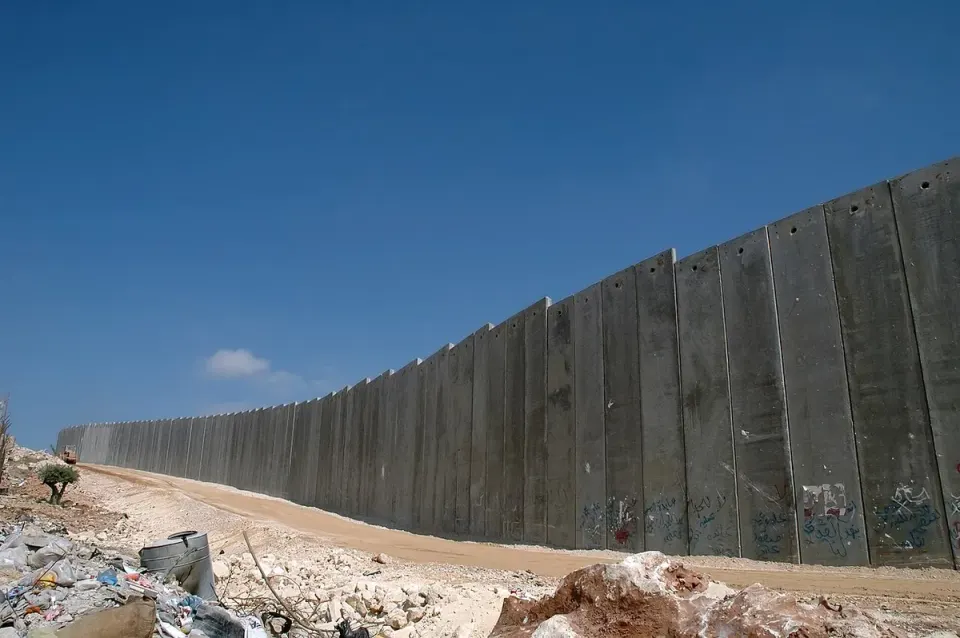
Across the border, geopolitical events are acting as a direct catalyst for today's price movements. Israel has announced the closure of West Bank crossings as it prepares for a pivotal general election this Tuesday. This move, described as part of an escalating crackdown, has sent ripples through regional markets. In financial terms, elections in rival nations are 'known unknowns.' We know the date, but we don't know the outcome or the subsequent military posture. This uncertainty is a primary reason why Gold 18k jumped by 1.3% today, reaching 26,190,036 Toman per gram.
Historically, regional tensions—such as Egypt's current wariness regarding the Yemen conflict—remind us that old wounds and long-standing rivalries dictate modern trade routes. When Israel locks down territory for an election, the market fears a 'post-election' escalation. Investors flee from local currency and seek refuge in 'hard' assets. This is why we see the Emami coin rising to 268,000,000 Toman. It isn't just about supply and demand; it is an insurance premium against what might happen after the ballots are counted in Jerusalem.
Narratives, Authenticity, and the Digital Hedge
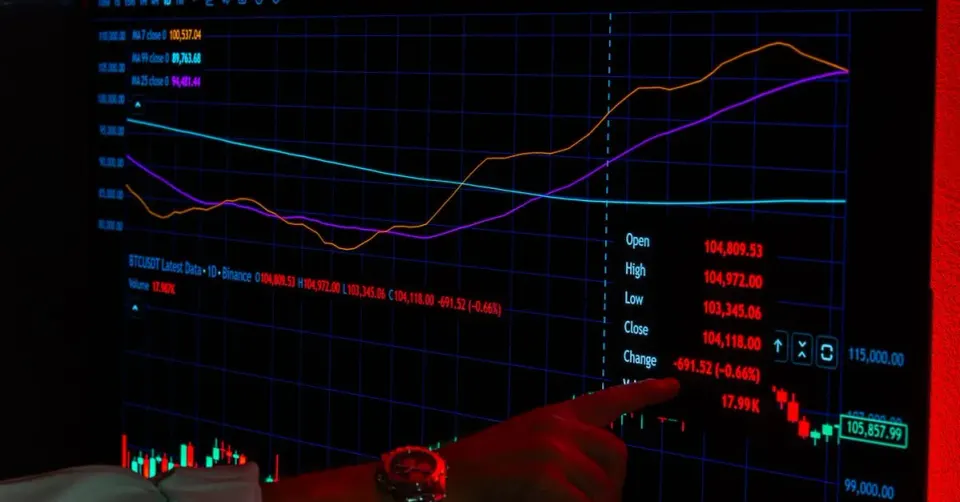
In an age where social media narratives can move markets as fast as missiles, the concept of 'authenticity' is becoming a financial asset. Interestingly, even nature documentaries like the BBC’s Blue Planet III are now choosing to leave in 'imperfect' shots to prove they aren't AI-generated. This search for truth mirrors the behavior of Iranian investors who are increasingly wary of official economic claims. When people lose faith in the 'polished' version of the economy, they turn to decentralized alternatives. Bitcoin is currently holding strong at $80,122, serving as a global digital hedge that operates outside the reach of regional border closures.
Even personal dramas, like the ongoing public disputes involving figures like Meghan Markle, highlight how 'leaked letters' and broken contacts can dominate the information space. In the financial world, information is the only currency that matters more than gold. When diplomatic channels are replaced by museum displays and social media speculation, the market becomes a mirror of public anxiety. For the Iranian reader, the lesson is clear: in times of high political theater, the most 'authentic' signal of value isn't found in a speech or a museum, but in the rising price of the assets that people rush to buy when they are afraid.
Concept Diagram
Frequently Asked Questions
چرا افتتاح موزه اسناد دیپلماتیک بر بازار تاثیر منفی یا خنثی داشت؟
رابطه انتخابات اسرائیل با قیمت دلار در تهران چیست؟
چرا طلا بیشتر از دلار رشد کرد؟
Understanding the Risk Premium in Uncertain Times
The "Risk Premium" is a fundamental concept in finance and economics, representing the extra return investors demand for taking on a riskier asset compared to a risk-free one. In simpler terms, it's the compensation investors expect for bearing additional uncertainty. When an economy faces significant political instability, geopolitical tensions, or high economic uncertainty, the perceived risk of investing in that country's assets—such as its currency, stocks, or bonds—increases. This heightened risk perception translates into a higher risk premium, meaning investors will only commit capital if they anticipate a greater potential return to offset the increased chance of loss.
For an economy like Iran's, which is frequently subject to geopolitical pressures, international sanctions, and domestic policy shifts, the risk premium plays a crucial role in determining asset valuations. Events like diplomatic negotiations (e.g., "Abbas Araghchi documents museum" implying diplomatic movements), foreign elections with regional implications (e.g., "Israel election market impact"), or regional closures (e.g., "West Bank closure effect") all contribute to an environment of heightened uncertainty. Each of these factors can increase the perceived risk for investors, both domestic and international, making them demand a higher risk premium to hold Toman-denominated assets or invest in the Iranian economy.
The direct consequence of a rising risk premium is often seen in currency depreciation and shifts towards safer assets. As investors become more apprehensive, they may sell off local currency (like the Toman) to buy more stable foreign currencies (like USD), leading to a higher USD/IRR exchange rate. Similarly, demand for traditional safe havens like gold tends to increase, pushing up its price in local currency. This "cost of uncertainty" is not merely theoretical; it manifests as higher borrowing costs for businesses, reduced foreign direct investment, and a general dampening of economic activity, ultimately impacting the daily lives of citizens through inflation and reduced purchasing power.