Risk vs. Reward: How Global Elections and the AI Boom Impact Your Portfolio
ریسک یا پاداش: چگونه انتخابات جهانی و انفجار هوش مصنوعی بر دارایی شما اثر میگذارند؟
As Israel heads to a pivotal election and South Korea’s economy surges on AI demand, global markets are caught between geopolitical uncertainty and technological optimism. Learn how to read these 'Risk-On' and 'Risk-Off' signals to better manage your Toman-based investments.
At time of publishing
USD
271,900
Toman
Gold 18K
26.16M
Toman / gram
Bitcoin
$79,605
US Dollar
Tether
271,600
Toman
Geopolitical Uncertainty as a Market Catalyst
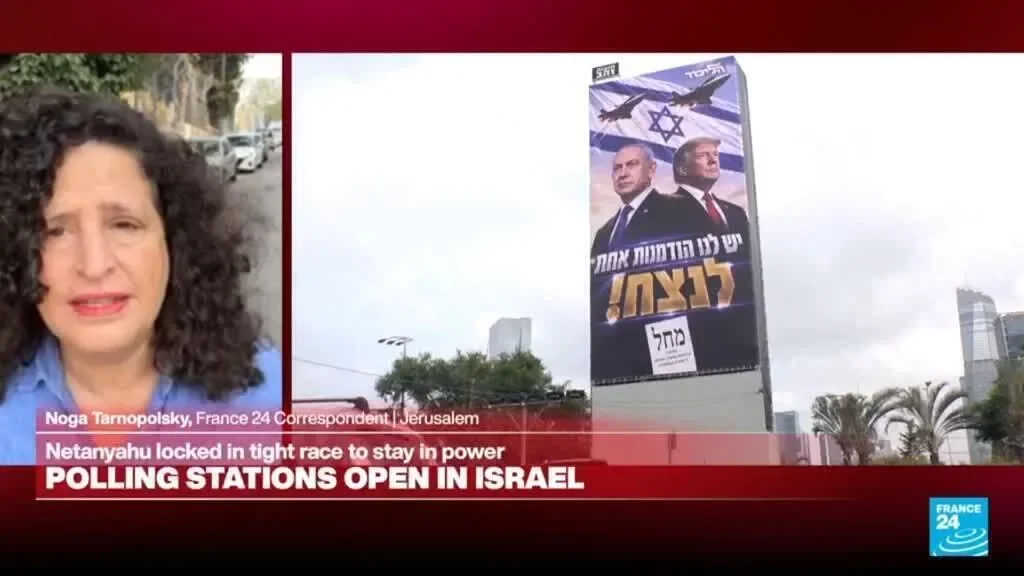
Today, Tuesday, October 27, 2026, the eyes of global investors are fixed on Jerusalem. The Israeli national election, widely described as a referendum on Prime Minister Benjamin Netanyahu’s long-standing policies, is more than just a local political event. For the financial world, elections in high-conflict zones serve as a primary trigger for 'Risk-Off' behavior. When the outcome is uncertain—as it is now, with fears of a fragmented parliament and months of political wrangling—investors typically flee from volatile assets like stocks and certain cryptocurrencies, seeking the safety of the US Dollar and Gold.
In the Iranian market, we see this reflected in the slight climb of the USD sell price to 271,900 Toman, a 0.5% increase over the last 24 hours. While a half-percent move might seem minor, it signals a cautious posture among local traders who are sensitive to regional instability. Geopolitics doesn't just move borders; it moves capital. When the 'Risk-Off' switch is flipped, liquidity dries up in emerging markets and flows toward 'Safe Havens.' Understanding this mechanism helps you realize why your USDT or gold coins might spike even when there is no direct news coming out of Tehran.

The AI Boom: A New Fundamental Floor
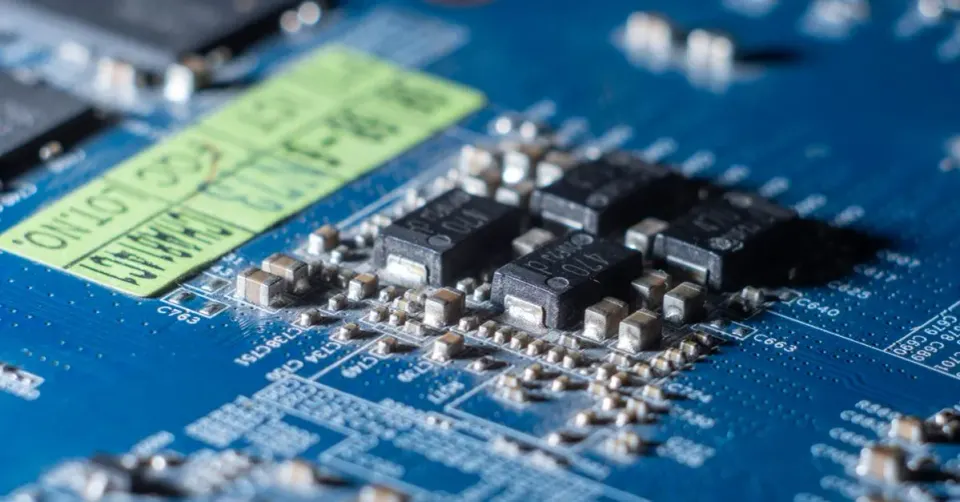
While politics creates short-term noise, technological shifts create long-term floors for the economy. South Korea’s GDP recently beat all forecasts, growing by 3.4% year-on-year. This surge wasn't fueled by traditional manufacturing alone but by an insatiable global demand for semiconductors required for Artificial Intelligence. This 'AI Boom' is acting as a counterweight to geopolitical dread. Even as the UK government faces criticism for meeting with 137 AI-related businesses while ignoring environmental groups, the message is clear: major economies are prioritizing AI infrastructure as the central plank of their economic survival.
For the modern investor, this means that the 'Risk-On' appetite is increasingly tied to technology. When AI companies report breakthroughs or nations like South Korea show robust growth, it provides a cushion for assets like Bitcoin. Currently trading at $79,605, Bitcoin is no longer just a speculative token; it is increasingly viewed as a 'tech-proxy.' If the AI sector is healthy, the digital economy feels robust, which keeps crypto prices from collapsing even when regional tensions rise. This explains why, despite the uncertainty in the Levant, Bitcoin has not seen a catastrophic sell-off today.
Reading the Signals: Risk-On vs. Risk-Off
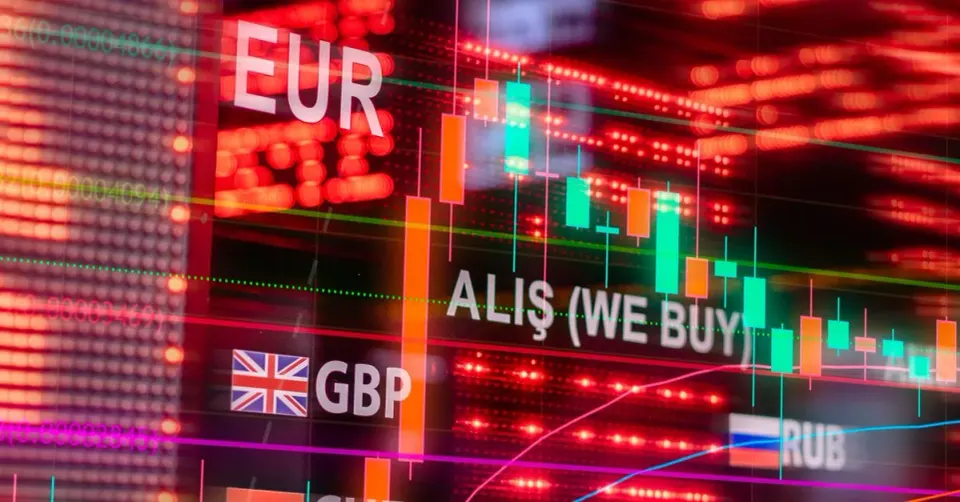
As an Iranian investor, your goal is to identify whether the world is in a 'Risk-On' or 'Risk-Off' mood. In a 'Risk-On' environment, investors are optimistic, leading to a rise in Bitcoin and global stocks, while the US Dollar might stabilize or weaken. Conversely, a 'Risk-Off' environment—triggered by events like the current trade tensions between the US and EU over a $3.4 billion Airbus loan—leads to a stronger Dollar and a drop in riskier assets. Today's market is a mixed bag: the 0.8% drop in 18k gold to 26,155,408 Toman suggests some profit-taking or a temporary rotation of capital, even as the USD remains firm.
Even cultural events, such as Chinese brands dropping Kylian Mbappé over a controversial joke, serve as reminders of how sensitive global markets have become to sentiment and geopolitical alignment. For those holding Toman, the strategy remains constant: diversification. By holding a mix of 'Safe Havens' (Gold and USD) and 'Growth Assets' (Bitcoin or tech-exposed funds), you protect yourself against the sudden 'Risk-Off' spikes caused by elections while still benefiting from the long-term 'Risk-On' trajectory of the AI revolution. Monitoring these global shifts isn't just for Wall Street; it's the key to preserving wealth in Tehran.
Concept Diagram
Frequently Asked Questions
چرا انتخابات اسرائیل بر قیمت دلار در تهران تاثیر میگذارد؟
رابطه هوش مصنوعی با قیمت بیتکوین چیست؟
منظور از وضعیت Risk-Off در بازار چیست؟
آیا تنش تجاری آمریکا و اروپا (ایرباس) بر بازار ایران اثر دارد؟
Understanding "Risk-on" and "Risk-off" Sentiment in Global Markets
The terms "risk-on" and "risk-off" describe fundamental shifts in investor sentiment that drive global capital flows and asset allocation. This concept is crucial for understanding how events like geopolitical tensions, elections, or technological booms (such as AI's rise) influence markets. When investors are in a "risk-on" mood, they are generally optimistic about economic growth and stability, leading them to seek higher returns by investing in assets perceived as riskier. Conversely, a "risk-off" environment signifies heightened uncertainty and pessimism, prompting a flight to safety and capital preservation.
In a "risk-on" scenario, investors are willing to take on more risk in pursuit of greater profits. This typically translates into increased demand for assets like equities (stocks), particularly those in emerging markets or growth-oriented sectors (like AI semiconductors), high-yield corporate bonds, and commodities. Even cryptocurrencies like Bitcoin are often treated as "risk-on" assets due to their volatility and correlation with technology stocks. This bullish sentiment is usually fueled by positive economic data, stable political landscapes, or encouraging corporate earnings, suggesting a favorable environment for growth.
Conversely, a "risk-off" environment emerges when global uncertainties dominate. These could be triggered by geopolitical conflicts (like regional elections or conflicts), economic downturns, rising inflation, or sudden policy shifts. During such times, investors prioritize capital preservation over return maximization. They flock to "safe-haven" assets, which are expected to retain or even increase in value during periods of market turmoil. Classic safe havens include government bonds from stable economies (e.g., U.S. Treasuries, German Bunds), gold, and strong reserve currencies like the U.S. Dollar, Japanese Yen, and Swiss Franc.
Understanding the "risk-on/risk-off" dynamic helps investors anticipate how different asset classes might perform under varying global conditions. An AI boom, for instance, might initially foster "risk-on" behavior towards tech stocks, but if it creates significant economic disruption or regulatory uncertainty, it could shift sentiment towards "risk-off." Similarly, impending elections or geopolitical tensions inherently introduce uncertainty, often leading to temporary "risk-off" moves as investors await clarity, illustrating the constant interplay between global events and market psychology.