
The $1.66B Bitcoin ETF Exit: Why Wall Street is Pausing While China Hits a $1 Trillion Surplus
خروج ۱.۶ میلیارد دلاری از صندوقهای بیتکوین؛ چرا والاستریت در اوج قیمت عقبنشینی کرد؟
Institutional appetite for Bitcoin is showing its first major crack as BlackRock's ETF sees massive outflows despite high prices. Meanwhile, China's record-breaking trade surplus and a global shift toward asset restitution are redefining what it means to 'own' wealth in 2026.
At time of publishing
USD
261,900
Toman
Gold 18K
25.76M
Toman / gram
Bitcoin
$74,249
US Dollar
Tether
262,205
Toman
The digital asset landscape is currently witnessing a fascinating paradox. Today, Tuesday, November 10, 2026, market data reveals that Bitcoin is hovering around $74,249, yet the professional 'smart money' seems to be heading for the exits. BlackRock’s IBIT, the flagship spot Bitcoin ETF, has recorded a staggering $1.66 billion in net withdrawals over the last seven trading sessions. This isn't just a minor dip; it represents a significant shift in institutional sentiment. When big players like BlackRock see outflows, it often signals that the 'easy money' phase of a rally has concluded, and investors are locking in profits to hedge against macroeconomic uncertainty.
To understand why this matters, we have to look at the mechanics of an ETF. Unlike buying Bitcoin on an exchange, an ETF (Exchange-Traded Fund) acts as a bridge for traditional investors. When they sell, the fund must often liquidate the underlying Bitcoin to return cash to shareholders. This creates a feedback loop of selling pressure. In the Iranian market, where the USD is trading at 261,900 Toman, these global shifts dictate the local price of Tether (USDT), which currently sits at 262,205 Toman. Even a minor 0.9% drop in the USD/IRR rate, as seen today, can be amplified by global crypto volatility, making it crucial for local traders to watch Wall Street's move toward the exit doors.

---
The $1 Trillion Dragon: China’s Global Trade Dominance
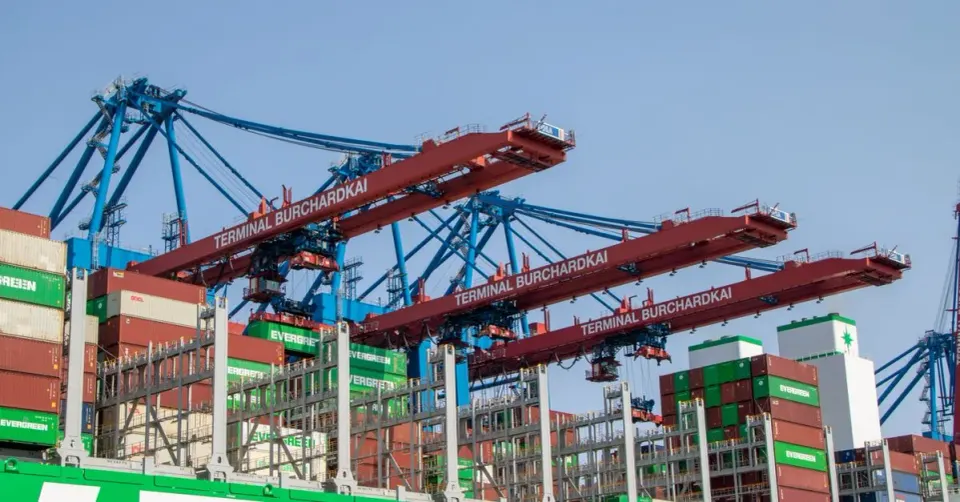
While the crypto world frets over outflows, the physical world of trade is being dominated by a singular force: China. Reports today show that China’s trade surplus has surged past the $1 trillion mark at a record pace. This means China is selling far more to the world than it is buying, amassing a mountain of foreign currency. For an Iranian audience, this is not just a distant statistic. China remains a primary trade partner and a vital outlet for energy exports. A massive Chinese surplus suggests that global demand for manufactured goods is high, but it also invites trade wars and increased sanctions pressure from the West, which can indirectly squeeze the shipping lanes and financial channels Iran relies on.
This surplus is a double-edged sword. On one hand, it shows a robust manufacturing engine; on the other, it creates an imbalance that forces other nations to react. We are seeing this reaction in the tech sector, where the 'Nvidia Affair' and concerns over AI chip smuggling into China are leading to tighter regulations. Australia, for instance, is already moving toward mandatory reporting for AI companies following security breaches. For the average investor, this means the 'tech bull run' is facing geopolitical headwinds. If the flow of high-end chips is restricted, the productivity gains promised by AI—which have fueled the stock market for two years—might start to stall.
---
Ownership, Restitution, and the Value of Sovereignty
In a surprising turn of events that serves as a metaphor for the current financial era, the Oxford Museum has begun returning ancestral Naga skulls to India. While this may seem unrelated to Bitcoin or trade surpluses, it touches on the core theme of 2026: the reclaiming of sovereignty and the definition of 'true' assets. Just as nations are demanding the return of their physical history, digital investors are questioning who truly 'owns' their assets in an era of centralized ETFs and government-monitored blockchains. The return of these remains to Nagaland for burial is a powerful reminder that value is often tied to heritage and control, not just market price.
This theme of control is echoing through the corporate world as well. Trump Media and Technology Group reported a surprising $410 million profit this quarter, almost entirely driven by gains in their crypto holdings rather than their core business. This highlights a dangerous trend where 'value' is becoming detached from productivity and tied to speculative volatility. As we navigate the markets this سهشنبه ۱۹ آبان ۱۴۰۵, the lesson is clear: whether it is a trade surplus in Beijing, an ETF in New York, or an artifact in a British museum, the struggle for control over assets is the primary driver of price. For Iranians, protecting wealth means looking beyond the daily Toman fluctuations and understanding these deeper shifts in global ownership.

Concept Diagram
Frequently Asked Questions
چرا خروج سرمایه از ETF بلکراک مهم است؟
مازاد تجاری ۱ تریلیون دلاری چین چه اثری بر ایران دارد؟
آیا سود شرکت ترامپ از کریپتو نشاندهنده اعتبار این بازار است؟
Understanding Global Capital Flows
Global capital flows refer to the movement of money for investment or trade across international borders. These movements are fundamental to the global economy, influencing everything from exchange rates and interest rates to economic growth and stability. Capital can flow in many forms, including foreign direct investment (FDI) where companies build or acquire assets abroad, portfolio investments like buying stocks or bonds (or Bitcoin ETFs), and through international trade balances. Essentially, it's the financial lifeblood connecting nations, driven by investors seeking returns and countries engaged in commerce.
The headline highlights two contrasting aspects of these flows. The "Bitcoin ETF Exit" signifies a significant outflow of capital from a specific investment vehicle, likely reflecting a shift in institutional investor sentiment or a reallocation of funds. When large institutional players, such as those trading BlackRock's IBIT ETF, move billions of dollars, it represents portfolio capital exiting a particular asset class. Simultaneously, "China Hits a $1 Trillion Surplus" points to a massive inflow of capital into China. A trade surplus means China exports significantly more goods and services than it imports, leading to an accumulation of foreign currency reserves, which is a direct consequence of capital flowing into the country through its current account.
These contrasting movements have profound implications. Outflows from assets like Bitcoin ETFs can signal a "risk-off" sentiment, where investors move away from perceived riskier assets towards safer havens, or simply rebalance their portfolios. Conversely, sustained trade surpluses, like China's, indicate robust export performance and a net accumulation of wealth from the rest of the world. While a trade surplus is part of the current account, its financial counterpart means a capital inflow into China, often used to purchase foreign assets or increase foreign exchange reserves. Understanding these flows helps explain why currencies strengthen or weaken, why certain markets thrive or falter, and how global economic power shifts.