US-Iran Talks Loom in Limbo; Trump's Fed Pick Faces Hearing as Iranian Gold Markets Dip
مذاکرات آمریکا و ایران در هالهای از ابهام؛ نامزد ترامپ برای ریاست فدرال رزرو در مجلس، و سقوط بازارهای طلا در ایران
Critical US-Iran talks remain unconfirmed by Tehran as the ceasefire deadline approaches, fueling global uncertainty. Meanwhile, Kevin Warsh, Trump's pick for Fed Chair, faces a key confirmation hearing that could reshape monetary policy. In tech, Apple transitions to a new CEO, and domestically, Iranian gold and coin markets see significant declines amidst geopolitical tensions.
At time of publishing
USD
152,550
Toman
Gold 18K
17.77M
Toman / gram
US-Iran Talks Hang in Balance as Ceasefire Nears End
Uncertainty continues to shroud the critical peace talks between the United States and Iran, with Vice President JD Vance reportedly set to return to Islamabad for negotiations. However, diplomatic sources in Pakistan, as well as official statements from Iran, indicate that Tehran has not yet confirmed the attendance of its delegation. This diplomatic ambiguity comes as the current ceasefire approaches its expiration, intensifying global anxieties over potential renewed hostilities in the Middle East. Iranian officials, including Ali Abdollahi, commander of the Khatam al-Anbiya Central Headquarters, have concurrently issued strong warnings, emphasizing Tehran's military readiness for an “immediate and decisive response” to any hostile actions.
The stakes for these talks are exceptionally high, as a failure to reach an agreement could lead to a significant escalation of tensions, particularly concerning the vital Strait of Hormuz. The U.S. aims to secure a lasting resolution to regional conflicts and ensure stability, while Iran appears to be strategically asserting its leverage, keeping the international community on edge. The lack of a confirmed Iranian presence at the negotiating table suggests a tactical delay or a firm stance, underscoring the complexities and deeply entrenched distrust between the two nations. This diplomatic dance directly impacts global energy markets and regional security, making every statement and non-statement meticulously scrutinized.
For the international community, the current diplomatic limbo creates a precarious situation. A confirmed Iranian no-show could trigger a sharp downturn in global market sentiment, potentially leading to spikes in oil prices and increased volatility across financial assets. Conversely, even a last-minute agreement by Iran to participate could offer a much-needed glimmer of hope for de-escalation, though significant hurdles would remain. The world watches closely for Tehran's final decision, understanding that the outcome will have profound geopolitical and economic repercussions far beyond the immediate region.
Trump's Fed Chair Pick Kevin Warsh Faces Key Confirmation Hearing
Today marks a pivotal moment for U.S. monetary policy as Kevin Warsh, President Trump's nominee to chair the Federal Reserve, faces a crucial confirmation hearing before lawmakers. Warsh, known for his pro-growth and dovish stance on monetary policy, is poised to succeed current Chair Jerome Powell when his term concludes on May 15. His potential appointment has generated significant discussion among economists and market participants, given his past advocacy for lower interest rates and a potentially more interventionist approach to economic stimulus.
The implications of Warsh's confirmation are far-reaching, as the Federal Reserve's leadership profoundly influences global financial markets and the trajectory of the U.S. economy. Should Warsh be confirmed, his leadership could signal a distinct shift towards a more accommodative monetary policy, potentially involving earlier and more aggressive interest rate cuts. This approach aligns with President Trump's long-standing preference for lower rates to stimulate economic activity, but it also raises questions about the Fed's independence and its ability to manage inflationary pressures effectively in the long term.
Markets will be acutely focused on Warsh's testimony, dissecting his statements for any indications of his future policy leanings and his commitment to the Fed's dual mandate of maximum employment and price stability. A shift towards a more dovish Fed could lead to a repricing of assets, influencing bond yields, equity valuations, and the strength of the U.S. dollar. For global investors, particularly those in emerging markets, changes in U.S. monetary policy can dictate capital flows and economic stability, making this hearing a critical event to monitor.
Apple Enters New Era with John Ternus as CEO
Apple, one of the world's most valuable companies, is embarking on a new chapter as Tim Cook steps down from his decade-plus tenure as CEO, handing the reins to John Ternus. Ternus, who previously served as Apple's Senior Vice President of Hardware Engineering, is widely regarded as a “product guy,” signaling a potential strategic pivot for the tech giant. This leadership transition comes after years of Cook's focus on operational efficiency, supply chain mastery, and services growth, which propelled Apple to unprecedented financial success.
The appointment of Ternus suggests a renewed emphasis on groundbreaking product innovation, a return to the ethos that defined Apple under its co-founder Steve Jobs. As the head of hardware engineering, Ternus oversaw the development of critical products, including iPhones, iPads, and Macs, giving him a deep understanding of Apple's core technological strengths and future potential. This shift aims to invigorate Apple's product roadmap in an increasingly competitive landscape, especially as the company navigates the complex demands of artificial intelligence integration and the burgeoning augmented reality market.
Under Ternus, Apple is expected to intensify its efforts in developing cutting-edge hardware and software that can redefine user experiences and open new market segments. The challenge for Ternus will be to maintain Apple's formidable financial performance while simultaneously fostering a culture of radical innovation that can deliver the “next big thing.” Investors, consumers, and competitors will be watching closely to see how this leadership change influences Apple's strategic direction, particularly its approach to new product categories and its response to evolving technological trends.
Iranian Gold and Coin Markets See Significant Declines Amidst Uncertainty
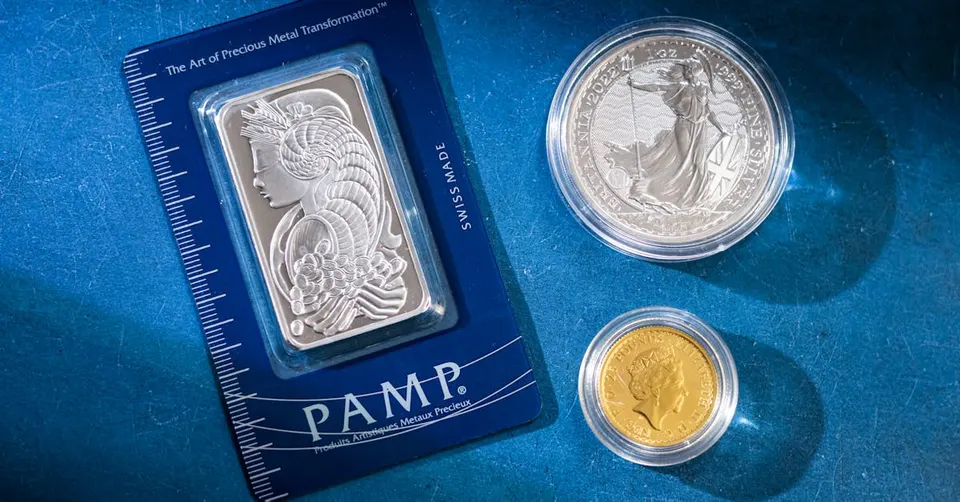
The Iranian gold and coin markets experienced notable downward pressure over the past 24 hours, with the Emami coin seeing a significant drop of -7.4%, moving from 188,000,000 Toman to 174,000,000 Toman. Similarly, 18k gold per gram also registered a decline, moving from 17,860,012 Toman to 17,770,210 Toman (-0.5%). This downturn contrasts with the stability of the USD/IRR exchange rate, which remained unchanged at 152,550 Toman, suggesting that the market movements are driven by internal dynamics and specific asset sensitivities rather than a broad currency devaluation.
The sharp decline in the Emami coin, a widely held investment asset in Iran, can be attributed to a confluence of factors, prominently including the prevailing geopolitical uncertainty surrounding the unconfirmed US-Iran talks. Investors often react to such high-stakes diplomatic impasses by de-risking their portfolios, selling off assets perceived as more volatile or sensitive to political outcomes. The lack of clear progress in negotiations, coupled with strong statements from Iranian military officials, likely fostered an environment of caution, prompting a sell-off in precious metals and coins.
For Iranian citizens and investors, these price movements have direct consequences for their savings and investment strategies. Gold and coins have historically served as crucial hedges against inflation and economic instability in Iran. A sudden drop in their value can erode purchasing power and confidence, particularly if the geopolitical situation remains unresolved. The stability of the Toman against the dollar, however, indicates that while specific assets are reacting to immediate events, the broader currency market is either holding steady or being managed through other mechanisms, creating a nuanced picture of the Iranian economy's current state.
EU Optimistic on Ukraine Loan Following Hungarian Government Change
The European Union is expressing renewed optimism for the approval of a crucial €90 billion loan package for Ukraine, following a significant political shift in Hungary. EU foreign policy chief Kaja Kallas and German foreign minister Joseph Wadephul have both indicated strong expectations for “positive decisions” on the loan in the near future. This development comes after the recent electoral defeat of Prime Minister Viktor Orbán, whose government had consistently blocked EU aid to Kyiv, creating considerable friction within the bloc.
Orbán's previous administration had been a persistent thorn in the side of EU solidarity regarding Ukraine, frequently using its veto power to extract concessions or to promote a more nationalist agenda. The change in Hungarian leadership is being hailed by many EU officials as a “breath of fresh air,” signaling a potential end to the “unusual blockade” that hindered the bloc's collective response to the conflict. This political realignment in Budapest is expected to pave the way for a more unified and decisive European approach to supporting Ukraine, both financially and politically.
The approval of the €90 billion loan would provide a vital lifeline to Ukraine, which continues to grapple with the devastating economic and humanitarian costs of the ongoing conflict. For the European Union, this move underscores its commitment to Kyiv and its capacity to overcome internal divisions in critical moments. It also has broader implications for EU integration and its standing on the global stage, demonstrating a renewed ability to act cohesively on major foreign policy challenges. This financial backing is crucial for Ukraine's resilience and its long-term recovery efforts.
Watch
LIVE: Federal Reserve chair nominee Kevin Warsh testifies at Senate confirmation hearing — 4/21/2026
CNBC Television
Frequently Asked Questions
What is the current status of the US-Iran peace talks?
Who is Kevin Warsh and what are the implications of his Fed Chair confirmation hearing?
What changes are happening at Apple's leadership?
How have Iranian gold and coin markets performed recently?
Why is the EU optimistic about the €90 billion loan for Ukraine now?
Economic Sanctions and the Dynamics of Gold Markets
Economic sanctions are punitive measures imposed by one or more countries against another, often to achieve specific foreign policy goals, such as altering behavior, disrupting illicit activities, or pressuring a regime. These measures can take various forms, including trade restrictions, financial embargos, asset freezes, and travel bans. When applied comprehensively, sanctions can severely limit a target country's access to international markets, restrict its ability to conduct foreign trade, and impede the flow of foreign currency, significantly impacting its economy.
One of the most immediate and profound effects of stringent economic sanctions is on the target country's currency. With reduced export revenues and limited access to global financial systems, the local currency often depreciates sharply against major international currencies like the US dollar. This depreciation erodes purchasing power, fuels inflation, and diminishes the value of savings held in the local currency. Citizens and businesses, seeking to preserve their wealth, often turn to alternative assets that are perceived as more stable and less susceptible to domestic economic volatility.
Gold has historically served as a quintessential safe haven asset, particularly in times of economic and political uncertainty. In economies grappling with sanctions, hyperinflation, or currency crises, gold's intrinsic value and its global liquidity make it an attractive store of wealth. Local demand for gold, often in forms like coins (such as the Emami coin in Iran) or bullion, surges as people convert their rapidly devaluing currency into a tangible asset. This heightened demand, coupled with potential import restrictions due to sanctions, can drive up domestic gold prices significantly, often creating a substantial premium over international market rates.
Therefore, fluctuations in a country's gold market, like the dip in Iranian gold prices mentioned, are often direct indicators of shifts in geopolitical dynamics and the perceived effectiveness or potential easing of sanctions. A dip might reflect optimism about potential talks or a future reduction in sanctions, which could lessen the urgency for safe haven assets. Conversely, increased geopolitical tensions or tightening sanctions typically lead to a surge in gold demand and prices, as citizens brace for further economic instability. Understanding these dynamics is crucial for grasping the broader economic consequences of international relations.