Vance Talks Stall, AI Data Centers Surge, and Iranian Markets React to Ceasefire Uncertainty
مذاکرات ونس به بنبست خورد، مراکز داده هوش مصنوعی رونق گرفت و بازارهای ایران به عدم قطعیت آتشبس واکنش نشان دادند
US Vice President JD Vance's diplomatic mission to Pakistan aimed at de-escalating tensions with Iran has been put on hold, as Tehran has not responded to American proposals. Meanwhile, Core Scientific is making a significant pivot towards AI data centers with a substantial bond sale, and Iranian markets are showing volatility, particularly in gold and currency, amidst the uncertain ceasefire.
At time of publishing
USD
153,450
Toman
Gold 18K
17.61M
Toman / gram
Vance's Iran Diplomacy Hits Snag Amidst Ceasefire Uncertainty
US Vice President JD Vance's crucial diplomatic trip to Islamabad, intended to broker an extension of the fragile ceasefire with Iran, has been indefinitely postponed. According to US officials, the delay stems from Tehran's lack of response to American negotiating positions, casting a significant shadow over ongoing efforts to de-escalate regional tensions. The news comes as President Trump has signaled a reluctance to extend the current pause in hostilities, which is set to expire imminently, potentially reigniting conflict.
This diplomatic stalemate highlights the deep-seated mistrust and complex geopolitical calculus at play. Iran's armed forces have reportedly stated their readiness for an immediate and decisive response to any hostile actions, underscoring the volatile nature of the situation. The potential collapse of these talks and the resumption of bombing could have far-reaching consequences, not only for the immediate conflict but also for regional stability and global energy markets, which are heavily reliant on the free flow of trade through critical waterways.
---
Core Scientific Bets Big on AI Infrastructure
Core Scientific, a major player in cryptocurrency mining, is undergoing a strategic pivot, seeking to raise $3.3 billion through a bond sale to fund a significant expansion into AI data centers. The company has already secured a 12-year lease agreement with CoreWeave, a prominent AI cloud provider, for six new data centers. This move signals a substantial shift in the company's business model, leveraging its existing infrastructure and expertise to capitalize on the booming demand for artificial intelligence computing power.
This aggressive investment in AI infrastructure is driven by the projected substantial revenue streams from these new facilities. The agreement with CoreWeave is expected to generate approximately $10 billion in revenue, illustrating the immense commercial potential of dedicated AI data centers. Core Scientific's transition reflects a broader trend within the tech industry, where companies are reorienting their strategies to capture the growth opportunities presented by advancements in artificial intelligence and machine learning.
---
Iranian Markets Show Mixed Reactions to Geopolitical Volatility
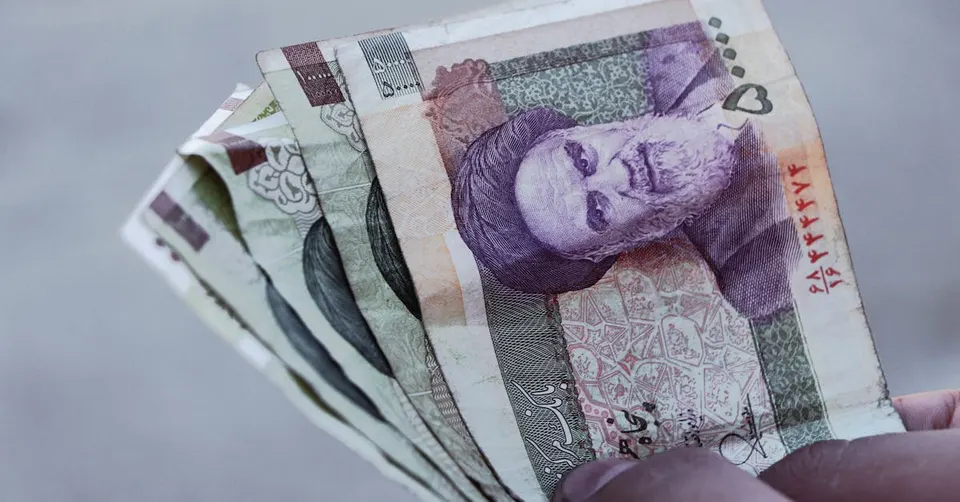
Iranian financial markets are exhibiting notable volatility as uncertainty surrounding the US-Iran ceasefire continues. The US dollar has seen a slight upward trend against the Iranian Toman, with the sell rate moving from 152,550 to 153,450 Toman, marking a 0.6% increase. This movement suggests a cautious sentiment among investors, potentially seeking the relative safety of foreign currency amidst geopolitical instability.
Conversely, the price of gold, a traditional safe-haven asset, has experienced a downturn. 18k gold per gram has fallen by 1.4%, from 17,860,012 to 17,606,537 Toman. Even more pronounced is the decline in the Emami coin, which has plummeted by 7.4%, from 188,000,000 to 174,000,000 Toman. These contrasting movements in the currency and gold markets reflect a complex interplay of factors, including risk appetite, inflation expectations, and the ongoing geopolitical developments that continue to shape the economic outlook for Iran and the wider region.
---
AI's Growing Influence on Elections and Tech Regulation
The increasing sophistication and pervasiveness of artificial intelligence are beginning to cast a long shadow over electoral processes worldwide. Concerns are mounting over the potential for AI to be used for sophisticated disinformation campaigns, deepfakes, and micro-targeted propaganda, raising serious questions about the integrity of democratic elections. This growing unease is not confined to abstract worries; communities across the US are actively resisting the construction of large-scale AI data centers, leading to significant project delays and highlighting a tangible public backlash against the rapid expansion of AI infrastructure.
This societal apprehension is mirrored in the regulatory sphere, as demonstrated by Apple's recent crackdown on AI-powered apps like Cal AI. Apple's justification for the removal — citing deceptive billing and manipulative tactics rather than just web payments — underscores the delicate balance tech giants are attempting to strike between fostering innovation and mitigating potential harms. OpenAI's latest advancements, such as its Images 2.0 model, which can now pull information from the web and generate text within images, further illustrate the accelerating pace of AI development, making regulatory frameworks increasingly challenging to implement effectively.

What This Means for You
The stalled diplomatic efforts between the US and Iran create a volatile environment for regional stability and potentially global energy markets. For investors, this translates to increased caution, particularly in assets sensitive to geopolitical risk. The surge in AI data center development, exemplified by Core Scientific's pivot, signals significant investment opportunities in the underlying infrastructure that powers AI, but also raises questions about energy consumption and the environmental impact of these facilities. Finally, the intersection of AI and elections demands greater public vigilance and a robust response from regulators to safeguard democratic processes from emerging technological threats. The ongoing developments in Iranian markets, with the dollar strengthening against the Toman while gold prices fall, present a complex picture for individuals managing their savings and investments within the country.
Watch
Iran war: Time running out on Iran ceasefire ahead of more peace talks | FOX 10 Phoenix
FOX 10 Phoenix
Frequently Asked Questions
Why has JD Vance's trip to Pakistan for Iran talks been postponed?
What is Core Scientific's strategic pivot and why is it significant?
How are Iranian markets reacting to the current geopolitical situation?
What are the concerns regarding AI and upcoming elections?
What does the article suggest about the future of US-Iran relations and regional stability?
How Geopolitical Uncertainty Drives Currency Risk
When diplomatic talks stall or a cease‑fire hangs in the balance, investors scramble to reassess the value of a country’s currency. This reaction is rooted in currency risk, the possibility that exchange rates will move unfavorably due to political, economic, or social shocks. In the case of Iran, any shift in U.S. diplomacy—whether a renewed push for a cease‑fire in the Middle East or a hardening of sanctions—can instantly alter expectations about oil exports, inflation, and capital flows, all of which feed into the rial’s price.
Currency risk is not just about the raw numbers on a forex chart; it reflects geopolitical risk, the broader uncertainty about a nation’s stability and its relationships with the world. Traders use tools like the Geopolitical Risk Index (GPR) to quantify how events such as cease‑fire negotiations, military escalations, or diplomatic breakthroughs affect market sentiment. A spike in the GPR often coincides with heightened volatility in emerging‑market currencies, prompting investors to demand higher risk premiums or to shift assets into safer havens like the U.S. dollar or gold.
For businesses operating in Iran, managing this risk means hedging strategies—forward contracts, options, or currency swaps—to lock in exchange rates before the political winds change. Companies in high‑tech sectors, like Core Scientific’s AI data‑center projects, are especially sensitive because they rely on imported equipment and foreign financing. A sudden devaluation of the rial can inflate project costs, squeeze profit margins, and even stall expansion plans.
Understanding currency risk under geopolitical uncertainty helps both investors and firms make more informed decisions. By monitoring diplomatic signals, sanctions regimes, and conflict dynamics, they can anticipate exchange‑rate movements and protect their financial positions before a cease‑fire decision or a diplomatic breakthrough reshapes the market landscape.