Tehran Flights Resume Amid Market Volatility; Palantir Faces Internal Revolt Over AI Warfare
بازگشت پروازها به فرودگاه امام همزمان با نوسان ارز؛ شورش داخلی در پالانتیر علیه جنگافزارهای هوش مصنوعی
International flights have resumed at Tehran’s main airport, signaling a cautious return to normalcy, yet the Toman remains under pressure, rising 1.2% against the dollar. Meanwhile, internal turmoil at Palantir and a major crypto ban in Brazil shake the global tech and digital asset landscapes.
At time of publishing
USD
155,950
Toman
Gold 18K
17.89M
Toman / gram
Bitcoin
$77,736
US Dollar
Tether
15,357.9
Toman
Tehran Resumes Flights as Economic Siege Tightens
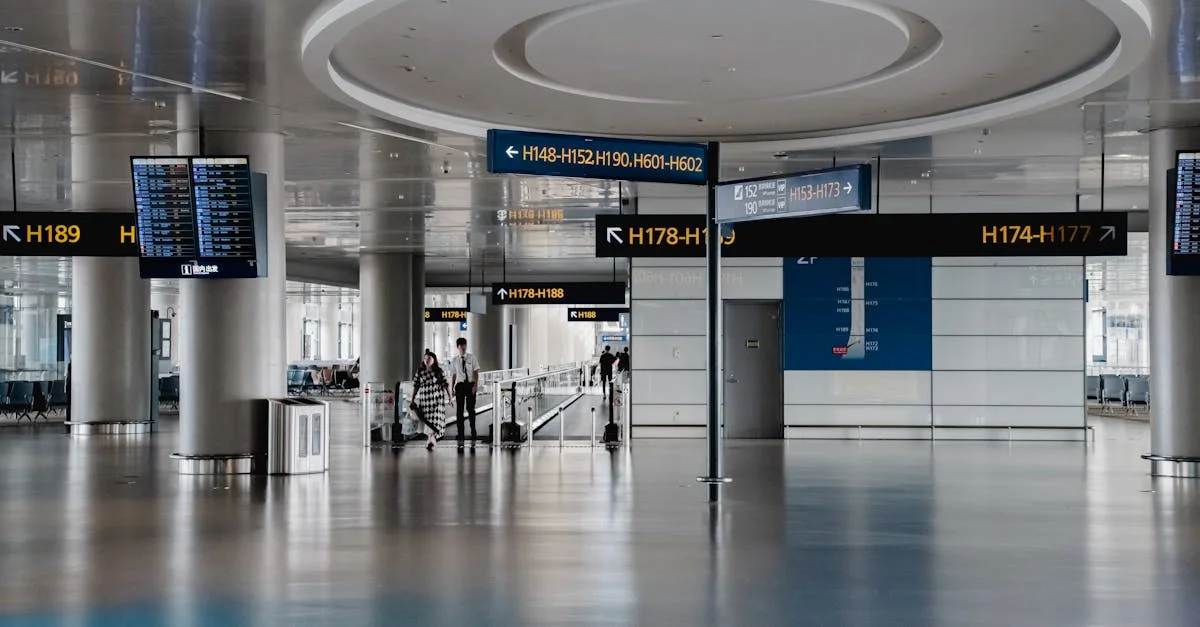
International flights have officially resumed at Tehran’s Imam Khomeini International Airport (IKIA), marking a significant shift in the perceived immediate threat level following weeks of disruption. The reopening of the skies is a calculated signal from the Iranian authorities that the most acute phase of the current regional escalation may be stabilizing. However, this return to operational normalcy has not yet translated into relief for the national currency. The US Dollar rose from 154,050 to 155,950 Toman (+1.2%) in the last 24 hours, suggesting that traders remain skeptical of a long-term de-escalation while diplomatic talks remain inconclusive.
President Masoud Pezeshkian addressed the nation, framing the current economic pressures as a deliberate strategy by external powers to target infrastructure and fuel public dissatisfaction through blockades. By invoking the memory of the 1980 Operation Eagle Claw failure, Pezeshkian attempted to rally domestic sentiment, suggesting that current 'hostile' maneuvers would meet a similar fate. Despite this rhetoric, the market's response remains cold; Gold 18k followed the currency's lead, rising from 17,728,888 to 17,893,023 Toman per gram (+0.9%), as investors continue to hedge against the persistent risk of a 'financial war' that transcends physical borders.
The Islamabad Mediation and the 'Unified Iran' Doctrine
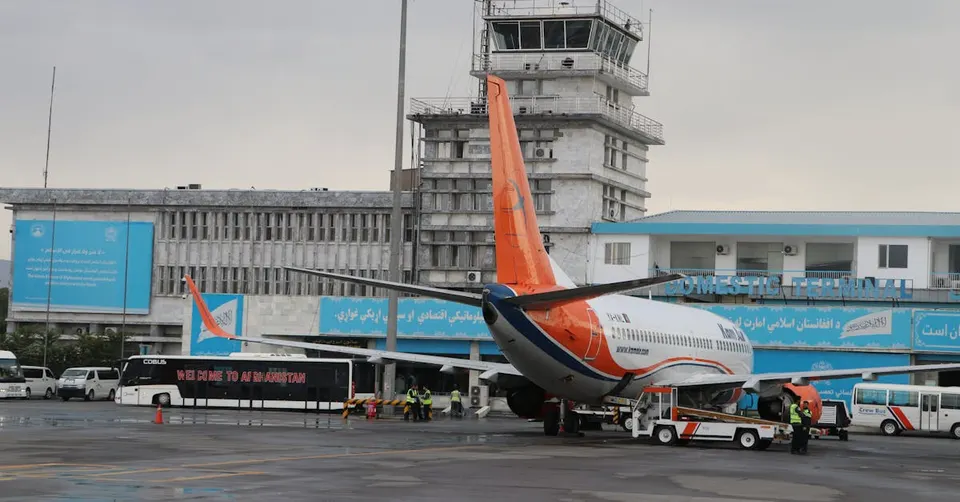
Foreign Minister Abbas Araghchi has arrived in Islamabad for high-stakes discussions with Pakistani Prime Minister Shahbaz Sharif. Pakistan has positioned itself as a primary mediator in the ongoing friction between Iran and the US-Israeli front, a role that carries immense weight as the region teeters between a formal ceasefire and a wider conflagration. Araghchi’s visit is not merely about military de-escalation but also about securing vital trade corridors that have been choked by recent sanctions. The diplomatic activity in Islamabad is being watched closely by global markets, particularly as Europe prepares for a protracted conflict in Ukraine with no clear end-game, further stretching Western diplomatic resources.
Domestically, the political establishment is closing ranks. Ali Akbar Velayati, a senior advisor to the Leader, emphasized the concept of a 'Unified Iran' standing firm against what he described as the Hebrew-Arab-American front. This rhetoric of total internal solidarity—'One Nation, One Leader, One Path'—is designed to project strength during the Islamabad negotiations. For the average Iranian citizen, however, the focus remains on the tangible outcomes of these talks: whether they can break the blockade that has driven the Toman to these record lows and whether the 'unified' front can translate into price stability for essential goods.

Palantir’s Internal Revolt and the Ethics of AI War
In the technology sector, Palantir Technologies—a titan of big data and defense analytics—is facing an unprecedented internal crisis. Reports have emerged of widespread turmoil within the company’s internal Slack channels, with employees describing the firm’s recent direction as a 'descent into fascism.' This internal dissent centers on the company’s deep involvement in providing AI-driven targeting and surveillance tools for modern conflicts. As Palantir’s software becomes more integral to battlefield decisions, the ethical divide between its leadership and its engineering workforce has reached a breaking point, highlighting the growing tension in Silicon Valley over the militarization of artificial intelligence.
This corporate unrest comes at a time when the US tech market is already under scrutiny for its lack of hardware innovation, with critics arguing that giants like Apple and Samsung have become complacent with iterative updates. While Palantir grapples with its identity, other sectors of the tech world are pushing boundaries elsewhere; for instance, the Artemis II mission recently broke distance records, a rare piece of positive news for the aerospace industry. For investors, the Palantir story is a cautionary tale: the same technologies that drive massive government contracts are increasingly becoming liabilities as 'ESG' (Environmental, Social, and Governance) concerns migrate into the realm of high-stakes defense tech.
Bitcoin Hovers Near $77k Amid Global Regulatory Crackdowns
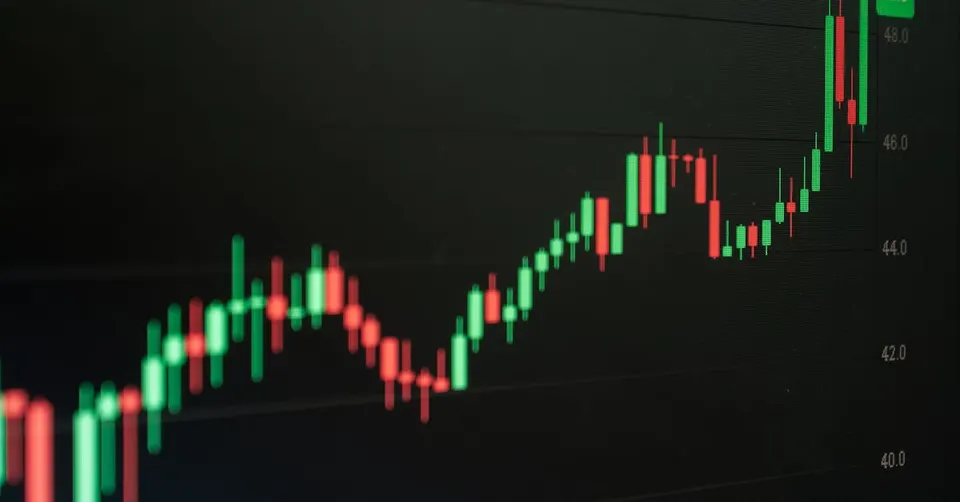
In the world of digital assets, Bitcoin is currently trading at $77,736, maintaining a fragile hold on its recent gains. While the asset has shown resilience, market analysts are keeping a close eye on the $73,000 support level. The current price action is characterized by a tug-of-war between institutional accumulation and regulatory headwinds. The crypto market was dealt a significant blow this hour as Brazil announced a ban on 27 prediction platforms, including giants like Polymarket and Kalshi. This move, which classifies decentralized prediction markets as illegal gambling, signals a tightening noose around the more 'experimental' corners of the decentralized finance (DeFi) ecosystem.
For Iranian crypto users, the situation is even more complex. While Tether (USDT) is trading at 15,358 Toman, the local premium remains high due to the lack of liquidity and the ongoing 'financial war' mentioned by state officials. As global regulators like those in Brazil move to curb prediction markets, the utility of crypto as a neutral financial tool is being tested. Investors are now looking toward May, with some predicting that XRP could see a 30% rally if exchange outflows continue at their current pace, though the overall sentiment remains one of extreme caution as the geopolitical situation in the Middle East continues to dictate the broader risk-on/risk-off appetite.
Frequently Asked Questions
Why is the Toman falling if international flights have resumed?
What is the significance of the Palantir internal revolt?
How does the Brazil ban on Polymarket affect the global crypto market?
Understanding Iran’s Parallel Currency Market
Iran operates a dual‑exchange‑rate system that many observers describe as a parallel or black‑market currency market. The official rate, set by the Central Bank of Iran (CBI), is used for government transactions, essential imports, and some foreign‑currency contracts. However, because sanctions limit access to hard currency and the official rate often diverges sharply from market realities, a vibrant unofficial market emerges where the Iranian rial (IRR) trades at a much lower value against the US dollar.
The gap between the official and parallel rates can exceed 1,000 % during periods of heightened pressure, such as after new U.S. sanctions or domestic political turmoil. This disparity influences everything from the price of imported goods to the valuation of gold and cryptocurrencies in Iran. Investors and ordinary citizens alike turn to gold, Bitcoin, or foreign‑currency accounts to preserve wealth, which in turn fuels further demand for the parallel market.
Sanctions also restrict the ability of airlines and travel agencies to procure foreign currency, explaining why the resumption of Tehran flights often coincides with a sudden surge in demand for dollars on the black market. When the market rate spikes, airlines may delay or cancel routes, creating a feedback loop between geopolitical events, exchange‑rate volatility, and the availability of international travel.
Understanding the mechanics of Iran’s parallel market is crucial for anyone analyzing the country’s macro‑economic health. It reveals how policy decisions, such as the “Pezeshkian economic blockade” or diplomatic moves by figures like Abbas Araghchi, translate into real‑world price signals for gold, Bitcoin, and everyday goods. Moreover, it highlights why companies operating in Iran—whether tech firms like Palantir or betting platforms like Polymarket—must navigate a complex financial landscape that blends official regulation with informal market forces.