Trump Scraps Pakistan Talks; Bitcoin Sees Volatility Amid Geopolitical Shifts
ترامپ مذاکرات پاکستان را لغو کرد؛ بیتکوین در میان تحولات ژئوپلیتیکی دچار نوسان شد
President Trump has abruptly canceled a planned trip by Steve Witkoff and Jared Kushner to Pakistan for peace talks with Iran, citing unspecified reasons. This sudden diplomatic pivot introduces fresh uncertainty into ongoing geopolitical tensions. Meanwhile, Bitcoin experienced a notable price swing today, influenced by a confluence of market sentiment and broader global events.
At time of publishing
USD
155,950
Toman
Gold 18K
17.89M
Toman / gram
Bitcoin
$77,391
US Dollar
Tether
15,418.3
Toman
Trump Abruptly Cancels Pakistan Peace Talks with Iran
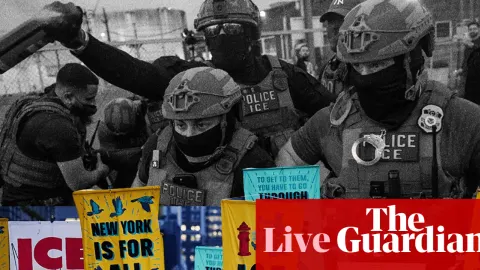
President Trump has made a sudden decision to cancel the planned trip of Steve Witkoff and Jared Kushner to Pakistan, which was intended to facilitate peace talks with Iran. The announcement, which came shortly before the scheduled departure, has sent ripples through diplomatic circles and introduced a fresh layer of uncertainty to the already complex geopolitical landscape surrounding Iran. While the specific reasons for the cancellation have not been disclosed, the move suggests a potential shift in the administration's strategy or a reaction to developments not yet made public.
This abrupt halt to diplomatic engagement comes at a critical juncture, especially given the ongoing war and the sensitive nature of negotiations. The cancellation raises questions about the administration's commitment to de-escalation and its broader approach to resolving the conflict. It also leaves stakeholders, including Pakistan, which was set to host these crucial discussions, in a state of deliberation regarding the future path of diplomacy. The impact on regional stability and the ongoing conflict remains to be seen, but the cancellation is undoubtedly a significant development.
---
Bitcoin's Volatile Ride Amidst Geopolitical Uncertainty and Market Signals
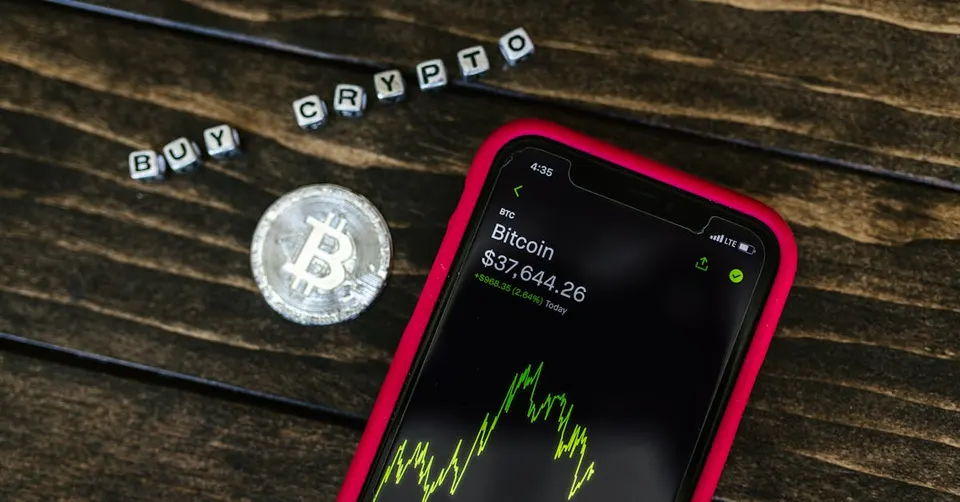
Bitcoin experienced a notable price fluctuation today, trading within a range influenced by a mix of geopolitical developments and emerging market analyses. The cryptocurrency saw a dip following reports of President Trump canceling the Pakistan peace talks, a move that can often trigger risk-off sentiment in markets. However, there were also signals pointing towards potential future gains, with some analysts, like those at VanEck, citing a recovery in the Bitcoin hash rate and negative funding rates as indicators for upward momentum.
The market also buzzed with news of prominent figures, including Cathie Wood and the CEO of Tether, attending Trump's crypto conference. Such high-profile events can inject speculative interest and volatility into the market. Furthermore, news that Bitcoin hit its highest price since January earlier in the week, as reported by Decrypt, indicates underlying strength despite short-term fluctuations. This duality—reacting to geopolitical shocks while showing signs of fundamental recovery—characterizes the current state of the cryptocurrency market.
---
Iran's Stance: Nationalism on the Rise Amidst Conflict
Iran's government spokesperson, Fatemeh Mohajerani, stated on Saturday that the recent US-Israeli-imposed war has significantly strengthened the nation's sense of nationalism. According to IRNA, Mohajerani emphasized that the conflict has taught Iranians not to depend on external powers, fostering a greater sense of self-reliance and national unity. This narrative suggests a government strategy to leverage the ongoing hostilities to bolster domestic support and resilience.
Adding to this, the Iranian Red Crescent Society chief announced the submission of evidence detailing US-Israeli attacks on civilians to international bodies, including the ICC and human rights organizations. This move aims to garner international scrutiny and potentially legal repercussions against the aggressors, framing Iran as a victim of unwarranted aggression. Concurrently, the Khatam al-Anbiya Central Headquarters issued a stern warning against perceived US "maritime piracy," vowing a decisive military response to any further blockade or acts of aggression in international waters. These statements collectively paint a picture of a nation consolidating its resolve and preparing for sustained confrontation, both domestically and on the international stage.
Watch
Trump cancels Witkoff and Kushner trip to Pakistan for Iran war talks, US media reports
First News Broadcast TV
Frequently Asked Questions
Why did President Trump cancel the peace talks in Pakistan?
What impact could Trump's cancellation have on Bitcoin?
What is Iran's current stance on the ongoing conflict?
What is the significance of the US-Iran nuclear deal withdrawal mentioned in headline [0]?
Understanding the Geopolitical Risk Premium
The geopolitical risk premium is the extra return investors demand for holding assets that could be affected by political events such as wars, sanctions, diplomatic breakdowns, or sudden policy shifts. When a country’s foreign policy becomes unpredictable—think of abrupt changes in U.S. relations with Iran or Pakistan—market participants price in the possibility of heightened volatility, capital flight, or supply‑chain disruptions. This premium is added on top of the standard market risk premium that compensates for ordinary business cycles.
In practice, the risk premium shows up as higher yields on sovereign bonds, wider spreads on corporate debt, and sharper price swings in more speculative markets like cryptocurrencies. Bitcoin, for example, has often been touted as a “digital safe‑haven,” yet its price frequently spikes in response to geopolitical headlines, reflecting the market’s perception that the asset is exposed to the same uncertainty as traditional currencies. When Trump announced a sudden halt to talks with Pakistan, investors reassessed the stability of South‑Asian trade routes, prompting a short‑term surge in risk‑off behavior that rippled through both fiat and crypto markets.
The size of the geopolitical risk premium is not fixed; it fluctuates with the intensity and proximity of the political shock. Analysts use tools such as the Geopolitical Risk Index (GPR) to quantify news‑driven uncertainty and correlate it with asset returns. A rising GPR often precedes higher bond yields, a decline in equity valuations, and amplified crypto volatility. Understanding this dynamic helps investors gauge whether a price move reflects a temporary sentiment shift or a deeper re‑pricing of underlying political risk.
For policymakers, the concept matters because excessive risk premiums can choke investment, raise borrowing costs, and destabilize emerging markets. Conversely, transparent diplomacy and predictable foreign policy can shrink the premium, encouraging capital inflows and smoother market functioning. In a world where diplomatic signals travel instantly via social media, the geopolitical risk premium has become a real‑time barometer of global financial stability.