UAE Exits OPEC as Trump Claims Iran 'State of Collapse'; Toman Surges Toward 170,000
خروج امارات از اوپک در پی فشارهای ترامپ؛ جهش قیمت دلار به ۱۶۹ هزار تومان
The United Arab Emirates has officially withdrawn from OPEC, signaling a major victory for President Trump’s energy policy and weakening the cartel's grip on global oil. Meanwhile, the Iranian Toman has plunged 5.9% in 24 hours, reaching 169,350 per dollar as geopolitical tensions and claims of a domestic 'collapse' rattle markets.
At time of publishing
USD
169,350
Toman
Gold 18K
18.76M
Toman / gram
Bitcoin
$75,804
US Dollar
Tether
16,462.3
Toman
UAE Exits OPEC: A Seismic Shift in Global Energy
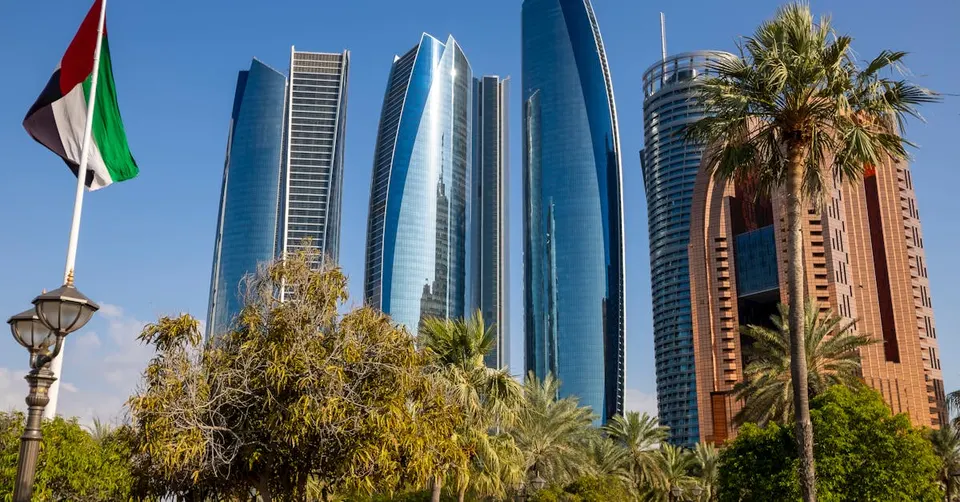
In a move that has sent shockwaves through the global energy sector, the United Arab Emirates (UAE) has officially announced its withdrawal from the Organization of the Petroleum Exporting Countries (OPEC). This decision marks a significant victory for U.S. President Donald Trump, who has long criticized the cartel for artificially inflating oil prices and "ripping off" the rest of the world. The exit of the UAE, one of the group's most influential and productive members, represents a profound challenge to the de facto leadership of Saudi Arabia and the unified front that OPEC has traditionally sought to project during times of global crisis.
The UAE’s departure is not merely a symbolic gesture; it is a calculated strategic pivot. For years, Abu Dhabi has grown increasingly frustrated with production quotas that it feels limit its domestic economic expansion and infrastructure goals. By exiting the cartel, the UAE gains the autonomy to set its own production levels, potentially flooding the market with supply at a time when global energy security is already fragile due to the ongoing conflict involving Iran. For the Trump administration, this is a cornerstone of a broader policy to dismantle traditional energy alliances that do not align with American interests, effectively using the UAE’s exit to further isolate those who rely on high oil prices to sustain their national budgets.
---
The Trump-Tehran Standoff: Claims of Collapse and Closed Straits
President Donald Trump has escalated his rhetoric regarding the ongoing crisis in the Middle East, claiming in a series of social media posts that Tehran is in a "state of collapse." According to the President, Iranian officials have signaled an urgent desire to reopen the Strait of Hormuz as they struggle with internal leadership stability. While these claims remain unverified by independent sources, they have had an immediate impact on market sentiment and geopolitical risk assessments. The U.S. administration has made its "red lines" clear: any deal to reopen the vital shipping lane must include concessions on Iran’s nuclear program, a condition that Tehran has so far been unwilling to accept.
Negotiations to end the blockade appear to have hit a significant impasse. While Iran recently submitted a proposal to reopen the strait in exchange for a delay in nuclear discussions, the White House has signaled its dissatisfaction with the offer. Trump’s top national security aides have reportedly advised against accepting any plan that does not provide long-term security guarantees for the region. This stalemate means that the Strait of Hormuz remains largely inaccessible to commercial traffic, driving up insurance costs for tankers and forcing global energy markets to brace for a protracted period of supply chain disruption that shows no sign of easing.

---
Toman in Turmoil: Domestic Markets React to Geopolitical Shocks
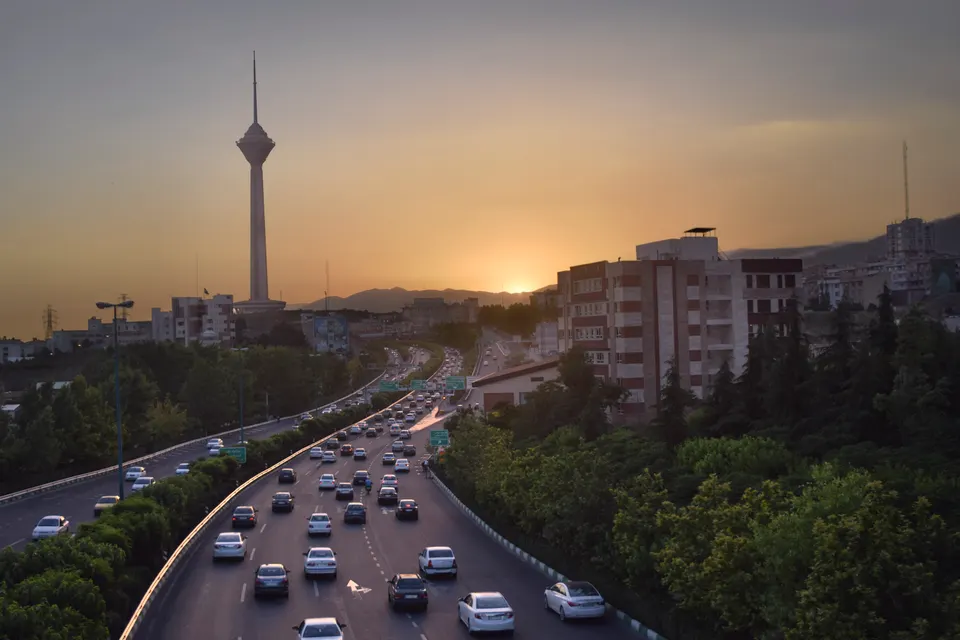
The Iranian Toman has entered a period of extreme volatility, reflecting the heightened anxiety within the domestic economy. Over the last 24 hours, the USD/IRR exchange rate moved from 159,950 to 169,350, representing a sharp 5.9% devaluation. This spike is driven by a combination of factors, including the breakdown in peace talks and the unexpected exit of the UAE from OPEC, which many investors fear will lead to further regional instability. As the currency weakens, the demand for safe-haven assets has skyrocketed, with the price of 18k gold rising from 18,244,378 to 18,756,406 Toman per gram (+2.8%).
The gold coin market has been particularly hard hit by this speculative frenzy. The Emami coin surged from 181,500,000 to 195,000,000 Toman, a massive 7.4% increase in just a single day. This trend indicates a deep-seated lack of confidence in the banking system and the national currency as a store of value. For the average Iranian citizen, this translates to immediate inflationary pressure on essential goods and services. As the Toman approaches the psychological barrier of 170,000 per dollar, the Central Bank faces increasing pressure to intervene, though its options remain limited by international sanctions and the physical blockade of its primary export routes.
---
Global Energy Ripples: From Spain's Grid to Asia's LNG Shortage
The consequences of the Middle Eastern conflict are being felt thousands of miles away, from the power grids of Europe to the industrial hubs of Asia. In Spain, the one-year anniversary of its historic blackout serves as a reminder of the fragility of modern energy systems. However, the country’s aggressive shift toward renewables has helped insulate it from the worst effects of the current gas price surges caused by the war. Spain’s grid evolution, fueled by wind and solar power, is now being viewed as a blueprint for other nations seeking to decouple their economies from the volatile oil and gas markets of the Middle East.
Conversely, Asia is facing a severe energy crunch. LNG imports to the region hit a seven-year low for the month of March, as the closure of the Strait of Hormuz trapped Qatari supplies and led to declarations of force majeure. Countries like Japan and South Korea, which are heavily dependent on Middle Eastern liquefied natural gas, are now scrambling to find alternative suppliers. This supply-side shock is not only driving up energy costs for manufacturers but is also slowing down the post-war economic recovery in several key markets. The divergence between those who have invested in energy independence and those still reliant on the Hormuz shipping lane has never been more apparent.
Frequently Asked Questions
Why did the UAE decide to leave OPEC?
How did the Iranian market react to these geopolitical events?
What is the status of the Strait of Hormuz blockade?
How is the energy crisis affecting global markets outside the Middle East?
Why the Strait of Hormuz is the World's Most Critical Oil Chokepoint
The Strait of Hormuz, a narrow waterway between the Persian Gulf and the Gulf of Oman, is only about 21 nautical miles wide at its narrowest point. Despite its size, it serves as the transit route for roughly 20‑25 % of global oil consumption and about a third of the world’s liquefied natural gas (LNG) shipments. Every day, tankers carry millions of barrels of crude from Saudi Arabia, Iraq, the United Arab Emirates and Kuwait toward Europe, Asia and the United States, making the strait a literal artery of the world energy system.
Because such a large share of the world’s energy supply passes through a single, geopolitically sensitive corridor, any threat to its openness instantly reverberates in global markets. Iran has, on several occasions, threatened to close the strait in retaliation to sanctions or diplomatic pressure—most notably in 2012 when it announced a temporary closure, and in 2019 when a series of missile and drone attacks on oil tankers sparked a brief shutdown. Each episode prompted sharp spikes in Brent and WTI crude prices, as traders priced in the risk of a supply shock.
The strategic importance of the Hormuz corridor also shapes the behavior of oil‑producing nations and cartels. OPEC’s production decisions, for example, are often calibrated against the risk of a Hormuz disruption; the recent decision by the United Arab Emirates to leave OPEC was partially framed as a move to diversify its energy diplomacy amid heightened regional tension. When the strait’s security is questioned, oil‑importing countries—especially in Asia, which relies heavily on Gulf crude—may turn to alternative supplies such as Russian oil or increase LNG imports, further reshaping global trade flows.
Beyond price volatility, a prolonged Hormuz blockage would have cascading effects on the global economy: shipping costs would rise, insurance premiums for vessels would surge, and countries dependent on cheap oil would face inflationary pressures. In the context of the 2026 energy outlook—characterized by an Asia‑wide LNG shortage and ongoing Iran‑U.S. diplomatic impasse—the strait remains a focal point for policymakers, investors, and anyone watching the future of global energy security.