Tehran’s Resilience Meets Market Turmoil: Toman Hits 166k as Trump Rejects Peace Terms and Oil Surges
تداوم زندگی در تهران همزمان با تلاطم بازارها؛ عبور دلار از ۱۶۶ هزار تومان در پی مخالفت ترامپ با پیشنهاد صلح
As Tehran's society undergoes a profound transformation despite the ongoing regional deadlock, global markets are reacting sharply to Donald Trump's dissatisfaction with Iran's latest peace proposal. The Toman has plummeted 4.3% in 24 hours, while Brent crude has breached the $111 mark following the UAE's shock decision to exit OPEC.
At time of publishing
USD
166,750
Toman
Gold 18K
18.48M
Toman / gram
Bitcoin
$76,232
US Dollar
Tether
16,447.3
Toman
The 'Abnormal Normalcy' of Tehran’s Social Evolution
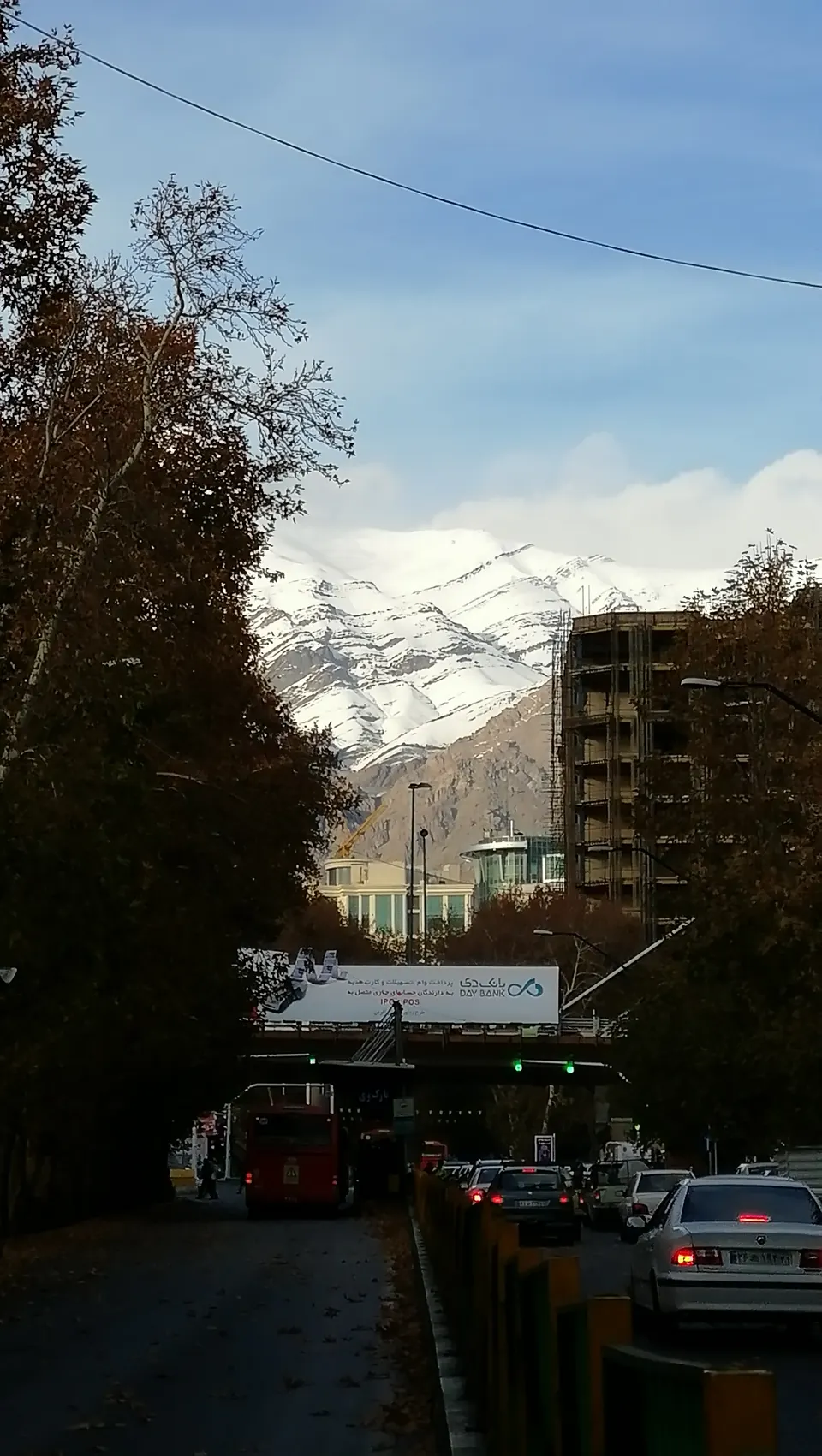
As the sun sets over Tehran at 16:00 local time, the city presents a paradoxical image of calm resilience amidst a geopolitical storm. Despite the continued stalemate in the Strait of Hormuz and the apparent cooling of diplomatic channels between Washington and Tehran, life in the Iranian capital has entered a phase of 'abnormal normalcy.' A recent report highlights that Iranian society is undergoing a major transformation, a process that has accelerated during the recent weeks of conflict. This evolution reflects a population that has become increasingly decoupled from the immediate shocks of international headlines, focusing instead on internal social shifts and local economic survival.
This sentiment is echoed by strategic analysts like Ali Vaez of the International Crisis Group, who suggests that the Iranian leadership and public believe they hold the upper hand in the current standoff. The logic is rooted in the perception that Iran is better equipped to endure a 'double blockade'—both economic and military—than the United States, which faces mounting domestic political pressure and economic constraints. From Tehran’s perspective, the balance of leverage has shifted because the Iranian economy has already been battle-hardened by years of maximum pressure, whereas global energy markets and Western political cycles are far more sensitive to prolonged disruption.
Oil Markets Reeling from Trump’s Skepticism and OPEC Chaos
Global energy markets are in a state of high alert as Brent crude futures for June delivery surged past $111 a barrel this hour. The primary catalyst is a series of reports indicating that Donald Trump is deeply dissatisfied with Iran’s latest proposal to end the conflict. This rejection signals to traders that the 'war premium' on oil is here to stay, as the prospects for a swift diplomatic resolution fade. The uncertainty is compounded by the United Arab Emirates' stunning announcement that it intends to leave OPEC. The UAE has long expressed frustration with production quotas that it feels unfairly limit its export potential, and its exit threatens to dismantle the decades-old cartel's influence over global pricing.
For the Iranian reader, this spike in oil prices is a double-edged sword. While higher global prices theoretically increase the value of Iran’s sanctioned exports, the resulting inflationary pressure on global shipping and insurance costs further complicates the import of essential goods. Furthermore, the rising cost of jet fuel is beginning to threaten European summer travel, creating a ripple effect that could dampen global economic growth and, by extension, demand for energy in the long term. The market is now pricing in a prolonged period of volatility where geopolitical rhetoric, rather than supply-demand fundamentals, dictates the price of a barrel.
The Toman’s Sharp Descent and the Flight to Gold
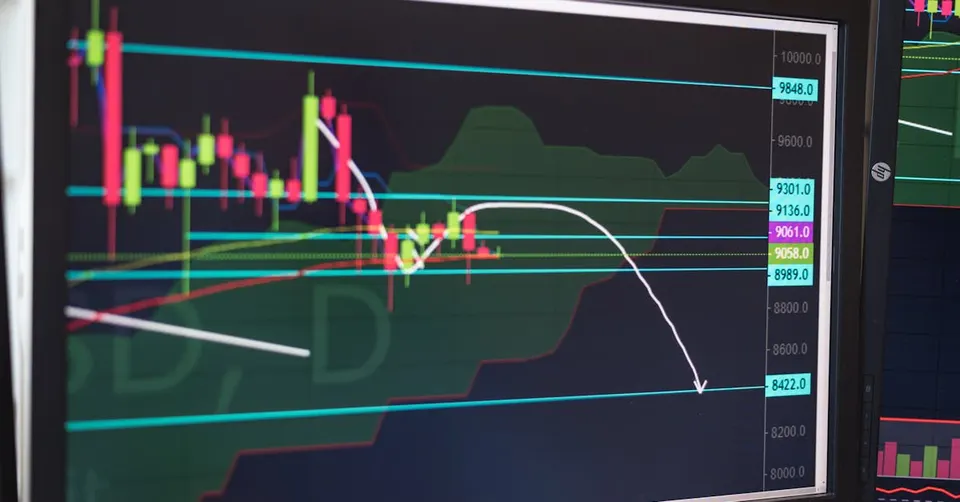
The domestic currency market in Iran has reacted with predictable volatility to the international deadlock. In the last 24 hours, the USD/IRR exchange rate moved from 159,950 to 166,750, representing a significant 4.3% devaluation of the Toman. This breach of the 166,000 level has triggered a wave of panic buying in the gold and coin sectors, as citizens seek to preserve their purchasing power. The Emami coin, a traditional hedge for Iranian households, saw an even more dramatic jump, rising from 181,500,000 to 194,000,000 Toman—a staggering 6.9% increase in a single day.
This flight to hard assets is driven by the realization that the ceasefire has not yet translated into economic relief. Gold 18k per gram also rose 1.3%, reaching 18,480,308 Toman. When the public sees the Toman lose nearly 5% of its value in a day, the psychological impact outweighs any official statements of stability. The market is currently operating on the assumption that as long as the Strait of Hormuz remains a point of contention and the U.S. administration remains 'unhappy' with peace terms, the downward pressure on the Toman will remain relentless. Investors are now watching the 170,000 mark as the next major psychological resistance level for the dollar.

Diplomatic Posturing and Security Concerns Abroad
In the realm of high diplomacy, Russia continues to signal its deep alignment with Tehran’s strategic vision. Ismail Shabanov, a member of the Russian Council on inter-ethnic relations, recently lauded the late Ali Larijani as a 'great strategist' and a patriotic fighter. This rhetoric from Moscow serves to reinforce the idea that Iran is not isolated on the world stage, even as Western sanctions tighten. By framing Iranian leaders as master strategists, Russia is signaling to the West that any attempt to force a lopsided deal will be met with sophisticated resistance backed by Eurasian partnerships.
Meanwhile, security tensions are spilling over into the international arena. In London, the Metropolitan Police are currently investigating a suspected arson attack on a memorial wall in a predominantly Jewish neighborhood. While authorities have stated the incident is not currently being treated as terrorism, the timing—amidst the height of Middle Eastern tensions—has put communities on edge. These events, though geographically distant from Tehran, contribute to a global atmosphere of instability that fuels the very market volatility currently punishing the Toman and driving oil prices to record highs.
Watch
Life in Tehran since the ceasefire: How Iranian society is evolving • FRANCE 24 English
FRANCE 24 English
Frequently Asked Questions
Why did the Toman drop 4.3% in a single day?
What does the UAE's exit from OPEC mean for global oil prices?
How is life in Tehran changing despite the economic pressure?
Why is the Emami coin rising faster than the dollar?
The Strait of Hormuz: Why This Narrow Waterway Shapes Global Oil Prices
The Strait of Hormuz, a 21‑mile-wide channel between Iran and Oman, is one of the world’s most critical maritime chokepoints. Roughly a third of the planet’s daily oil trade—about 20 million barrels—passes through its waters each day, making any disruption a direct lever on global oil supply. Because the flow is so concentrated, even the threat of a blockade can trigger sharp price spikes, as traders price in the risk of reduced availability.
Geopolitical tensions in the Gulf, such as Iran’s occasional threats to close the strait or incidents involving naval forces, have historically caused oil benchmarks like Brent and WTI to jump. For example, in early 2022, a brief closure led Brent crude to surge above $120 per barrel within days. The mechanism is simple: reduced supply expectations raise futures prices, which then feed through to spot markets and affect the cost of imported goods worldwide, from gasoline to plastics.
The ripple effects extend far beyond oil‑rich nations. Countries that import large quantities of oil, such as India, Japan, and many European states, see higher import bills, which can weaken their currencies relative to the US dollar. Conversely, oil‑exporting economies like Saudi Arabia and the United Arab Emirates may experience short‑term windfalls, though they also risk longer‑term volatility if the strait remains insecure. For Iran, whose currency (the rial/IRR) is already under pressure, a Hormuz disruption can exacerbate inflation and further devalue the rial against the dollar.
Understanding the strategic importance of the Strait of Hormuz helps explain why news about a potential blockade—whether tied to regional disputes, sanctions, or broader diplomatic moves like a U.S. peace proposal—can instantly move oil prices and reverberate through exchange rates, stock markets, and everyday consumer costs. It also underscores why nations invest heavily in naval capabilities and diplomatic channels to keep this vital artery open.
In the longer view, the strait’s significance highlights the interconnectedness of geopolitics, energy markets, and macro‑economic stability. As the world gradually shifts toward renewable energy, the strait will remain a barometer of transition risks, reminding policymakers that even a narrow waterway can wield outsized influence over the global economy.