Iraq’s New PM-Designate Caught in US-Iran Crossfire; Emami Coin Jumps 2% Despite Flat Dollar
نخستوزیر جدید عراق در میانه تنش ایران و آمریکا؛ رشد ۲ درصدی سکه امامی با وجود ثبات دلار
As Ali al-Zaidi takes the helm in Baghdad, the regional power struggle intensifies, directly impacting Tehran's economic buffer. Meanwhile, domestic gold markets show a 2.1% spike in Emami coins as investors hedge against geopolitical uncertainty.
At time of publishing
USD
171,450
Toman
Gold 18K
19.08M
Toman / gram
Bitcoin
$77,081
US Dollar
Tether
17,250
Toman
Iraq’s New Prime Minister-Designate and the Regional Chessboard
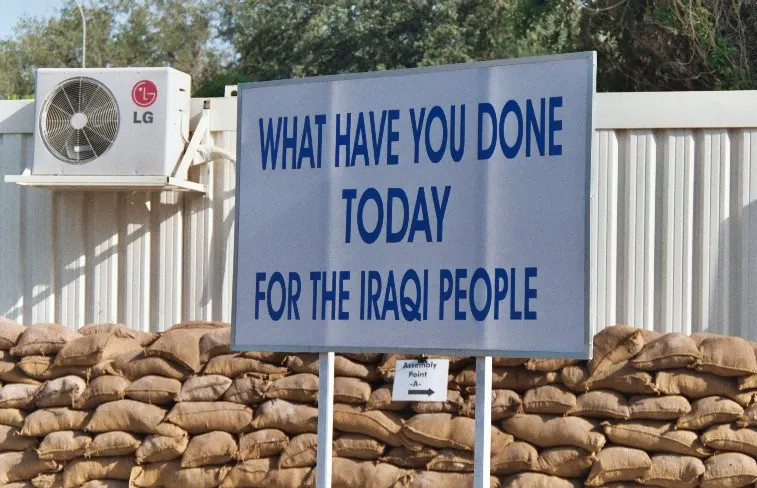
Ali al-Zaidi, a relatively unknown figure in the broader regional context, has been thrust into the spotlight as Iraq’s Prime Minister-Designate. Tasked with forming a new coalition government, al-Zaidi faces the monumental challenge of balancing the competing interests of Tehran and Washington. For Iranian policymakers, Iraq is not merely a neighbor but a critical economic lung that facilitates trade and helps circumvent the tightening noose of international sanctions. The appointment comes at a time when the United States is visibly ramping up pressure on Baghdad to curb Iranian influence, particularly regarding energy imports and financial transactions that flow through Iraqi banks.
The success or failure of al-Zaidi’s government will have immediate repercussions for the Iranian Rial and the broader economy. If the new administration in Baghdad leans too heavily toward Western demands, Tehran could see a significant disruption in its access to hard currency and regional export markets. Conversely, a government favorable to Iran would maintain the status quo of cross-border cooperation. Markets are currently in a 'wait-and-see' mode, as the composition of al-Zaidi's cabinet will serve as the first real indicator of which way the geopolitical wind is blowing in Mesopotamia.
Market Pulse: Gold Diverges from a Static Dollar
In the Tehran markets this morning, we are witnessing a curious divergence between the currency and gold sectors. The US Dollar remains remarkably stable, with the sell rate holding steady at 171,450 Toman and the buy rate at 170,435 Toman, showing a 0.0% change over the last 24 hours. This stability is likely the result of aggressive central bank intervention or a temporary exhaustion of the recent buying spree. However, the gold market tells a different story. The Emami coin has surged from 195,000,000 to 199,000,000 Toman, marking a significant 2.1% increase in a single day.
This spike in gold prices, while the dollar remains flat, suggests that domestic investors are pricing in a 'risk premium' that goes beyond simple currency devaluation. With global gold prices sitting at a staggering $4,586.50 per ounce, the local market is reacting to both international trends and heightened regional anxieties. When the price of coins rises faster than the underlying currency, it often indicates a lack of long-term confidence in the exchange rate's stability, as gold is viewed as the ultimate safe haven during periods of geopolitical friction. For the average Iranian saver, the 199 million Toman price tag for a single Emami coin represents a formidable barrier to entry, yet demand remains robust among institutional and high-net-worth players.
Geopolitical Signaling and the Energy Security Narrative
While the markets react to the news from Baghdad, official Tehran is busy projecting an image of stability and resilience. Government spokesperson Fatemeh Mohajerani held her weekly press conference at the Tarasht Power Plant, a choice of venue that was clearly intended to underscore the nation's focus on energy security and domestic infrastructure. By answering questions amidst the backdrop of a power generation facility, the administration is attempting to shift the public discourse away from regional conflicts and toward industrial progress. Mohajerani’s appearance aims to reassure the public that despite the 'gallows humor' often seen on social media regarding Mideast wars, the state remains focused on the functional aspects of governance.
However, the rhetoric at the international level remains sharp. Iran’s UN envoy, Amir Saeid Iravani, recently reiterated that the Israeli regime remains the primary threat to security in West Asia. This ongoing diplomatic friction, coupled with the historic address by the British King to the US Congress—where he emphasized the 'special relationship' and shared security goals—creates a complex web of alliances that investors must navigate. The King's speech, which received a standing ovation, signals a unified Western front that could lead to further coordinated policy shifts in the Middle East, potentially impacting everything from oil export routes to the enforcement of secondary sanctions.

Frequently Asked Questions
Why is the Emami coin rising if the USD is stable?
Who is Ali al-Zaidi and why does his appointment matter to Iran?
What was the significance of the government spokesperson meeting at a power plant?
How did the King's address to the US Congress impact the Middle East outlook?
How Iraq's Managed Float Exchange Rate Works
Iraq’s currency, the Iraqi dinar (IQD), is not freely floating like the U.S. dollar or the euro. Instead, the Central Bank of Iraq (CBI) operates a managed float: the dinar is allowed to move within a narrow band against the dollar, but the CBI intervenes regularly by buying or selling foreign currency to keep the rate stable. This system aims to combine the benefits of a market‑determined price – such as reflecting supply‑demand shocks – with the predictability of a quasi‑fixed exchange rate, which helps anchor inflation expectations and supports trade contracts that are usually denominated in dollars.
The managed float emerged after the 2003 invasion, when Iraq’s economy was devastated and confidence in its currency collapsed. By 2005 the CBI introduced a “dual‑exchange‑rate” regime, with an official rate for government transactions and a market rate for private trade. Over time, the gap narrowed, and by 2020 the CBI announced a single, market‑based rate but still pledged to intervene when the IQD moved more than about 2‑3 % in a day. This policy explains why headlines often quote a “USD‑IRR exchange rate” that moves only modestly even when regional tensions flare.
Why does this matter for investors and ordinary Iraqis? A stable dinar reduces the cost of importing essential goods, such as fuel for the Tarasht Power Plant, and limits the volatility of local prices for commodities like gold, which recently hit a record globally. At the same time, a managed float can create arbitrage opportunities: if the CBI’s interventions are predictable, traders may profit by buying dinars when the bank is likely to step in and sell when it lets the market drift. However, excessive intervention can drain foreign reserves, especially when the country faces fiscal pressure from political power struggles in Baghdad.
The system also interacts with regional geopolitics. When U.S. and Iranian interests clash in Iraq, capital flows can shift quickly, prompting the CBI to adjust its stance. For example, a surge in Iranian‑linked remittances might temporarily strengthen the dinar, while heightened U.S. sanctions could trigger outflows, pressuring the CBI to sell dollars. Understanding the managed float helps explain why a seemingly unrelated event – like the Emami coin jumping 2 % – can coexist with a “flat” dollar‑IQD rate.
In short, Iraq’s managed float is a delicate balancing act: it seeks to provide enough flexibility for market forces while shielding the economy from the shocks of a volatile regional environment. For anyone watching Iraq’s political developments or considering exposure to its financial markets, grasping this exchange‑rate framework is essential.