$111 Oil and a Closed Strait: Global Energy Shock Enters Third Month as Tehran Marks Larijani’s 40th Day
نفت ۱۱۱ دلاری و تداوم انسداد هرمز؛ چهلمین روز درگذشت لاریجانی و تنشهای انرژی در بازار جهانی
As the Strait of Hormuz remains closed for its second month, oil prices have surged to $111, creating a massive supply shock. Meanwhile, Iran marks the 40th day of Ali Larijani's passing amidst a rejection of UK media claims regarding the 'Jan-Fada' campaign.
At time of publishing
USD
171,450
Toman
Gold 18K
19.08M
Toman / gram
Bitcoin
$77,268
US Dollar
Tether
17,060
Toman
Market Open — The Toman Holds its Breath
On this Wednesday morning in Tehran, the foreign exchange market is exhibiting a tense stability despite the massive geopolitical shifts occurring globally. The US Dollar (USD/IRR) is trading at 171,450 Tomans for selling and 170,435 for buying, showing a 0.0% change over the last 24 hours. This flat movement suggests a market that has already priced in the current regional tensions but remains on a knife-edge, waiting for the next major diplomatic or military catalyst. Gold prices follow a similar pattern, with 18k gold standing at 19,078,212 Tomans per gram, also remaining unchanged from yesterday’s close.
However, the broader context is far from quiet. Bitcoin has climbed to $77,268 as investors seek hedges against traditional market volatility, particularly as oil prices push above the $111 mark. The global economy is still reeling from the effects of the closed Strait of Hormuz, and while the Toman hasn't moved in the last 24 hours, the underlying pressure from rising energy costs and regional supply shut-ins continues to build. For the Iranian reader, this stability is a fragile lid on a boiling pot of global economic restructuring.
The $111 Barrel: Two Months of a Closed Hormuz
We are now two months past the initial conflict that led to the closure of the Strait of Hormuz, and the world is beginning to realize that this is not a temporary disruption. Global crude supply has seen a shut-in of over 10 million barrels per day, a shock that experts are now calling the worst in history. With the U.S. naval blockade against Iran continuing and oil prices hovering at $111, the global race for alternative energy sources has reached a fever pitch. This isn't just about high prices at the pump; it’s about a fundamental shift in how global trade is conducted, as the Middle East’s energy infrastructure faces a recovery period that could last years.
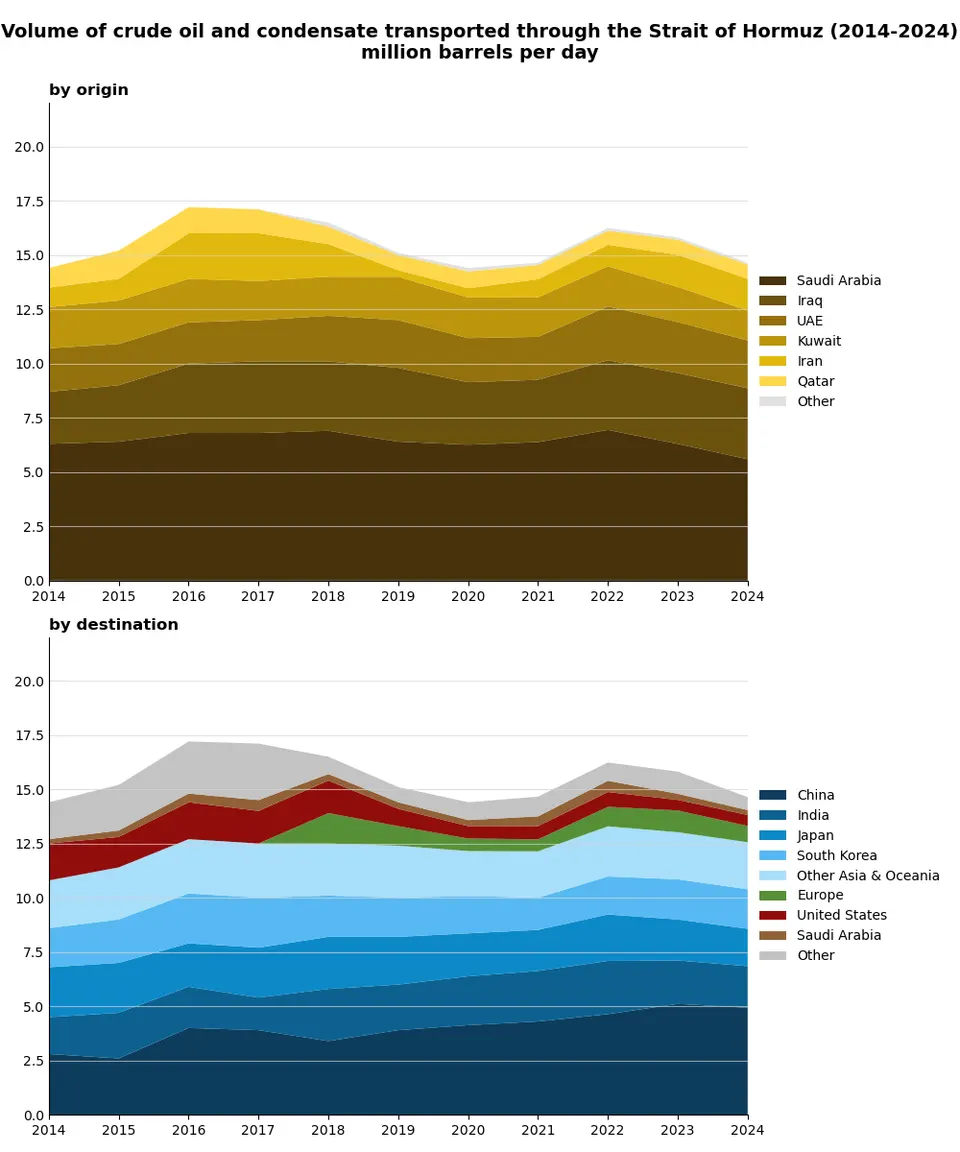
This energy vacuum is being felt most acutely in Asia, where trading partners are desperate for supplies. Interestingly, Australia’s Prime Minister Anthony Albanese has ruled out a gas export tax on existing contracts, calling such proposals "populist." He argues that in the middle of a global fuel crisis, jeopardizing partnerships with Asian nations is the worst possible move. This highlights the delicate balancing act world leaders are performing: trying to satisfy domestic anger over rising costs while maintaining the international alliances necessary for long-term energy security. For Iran, the continued closure of the Strait remains a double-edged sword, providing leverage but at a staggering cost to regional stability and infrastructure.
Internal Shifts: Larijani’s Legacy and the 'Jan-Fada' Dispute
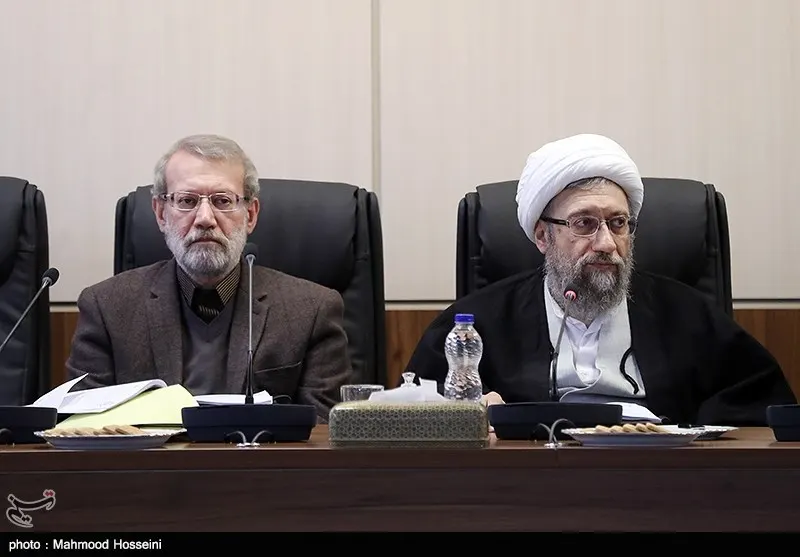
Inside Iran, the domestic narrative is focused on the 40th day since the assassination of Ali Larijani. The Society of Seminary Teachers of Qom released a poignant statement describing his loss as a "major blow to the Islamic system." Larijani was a bridge-builder, a figure whose presence often balanced the more radical and pragmatic wings of the Iranian establishment. His absence creates a vacuum in the political hierarchy at a time when the country is navigating its most significant geopolitical crisis in decades. The mourning period coincides with a renewed sense of nationalistic fervor, even as the economy struggles under the weight of the ongoing blockade.
Parallel to this internal mourning, a diplomatic spat has erupted in London. Iran’s envoy to the United Kingdom has categorically rejected claims made by British media regarding a so-called “Jan-Fada” campaign. Describing the reports as baseless and a product of deep misunderstanding, the envoy’s pushback signifies Tehran’s sensitivity to how its internal security and ideological campaigns are portrayed abroad. In an era of high-stakes information warfare, these narratives are often used to justify further sanctions or diplomatic isolation, making the envoy's rebuttal a critical piece of the broader geopolitical chess game.
The Global Risk Mood: From Crypto Whales to Australian Courts
The global risk appetite is currently a mixture of extreme caution and opportunistic gambles. While oil and gold represent the "fear" trade, the crypto market is seeing some surprising movements. An Ethereum ICO-era whale recently moved $23 million worth of ETH after a decade of dormancy—a move that usually signals a major liquidity shift or a long-term holder finally deciding to cash in on the current volatility. Meanwhile, in Australia, the news cycle has been dominated by a high-profile double murder trial involving Beau Lamarre-Condon, where his mother has now been charged with attempting to influence a witness. While seemingly distant, these stories of social and legal instability in major Western economies contribute to the general sense of a "world out of order."
As we look at the day ahead, the focus remains on whether any diplomatic backchannels can reopen the Strait. The UAE’s recent decision to leave OPEC adds another layer of complexity to the energy market, suggesting that even within the region, the old alliances are fraying. For the Iranian investor, the current stability of the Toman should be treated with caution. With oil at $111 and the global energy map being redrawn, the "new normal" is anything but stable. Stay alert, keep an eye on the energy headlines, and remember that in a market this volatile, information is the only real currency.