Trump Cites King Charles in New Nuclear Threat as Toman Plummets to 178,950
تهدید هستهای جدید ترامپ با استناد به پادشاه چارلز؛ جهش دلار به ۱۷۸ هزار تومان
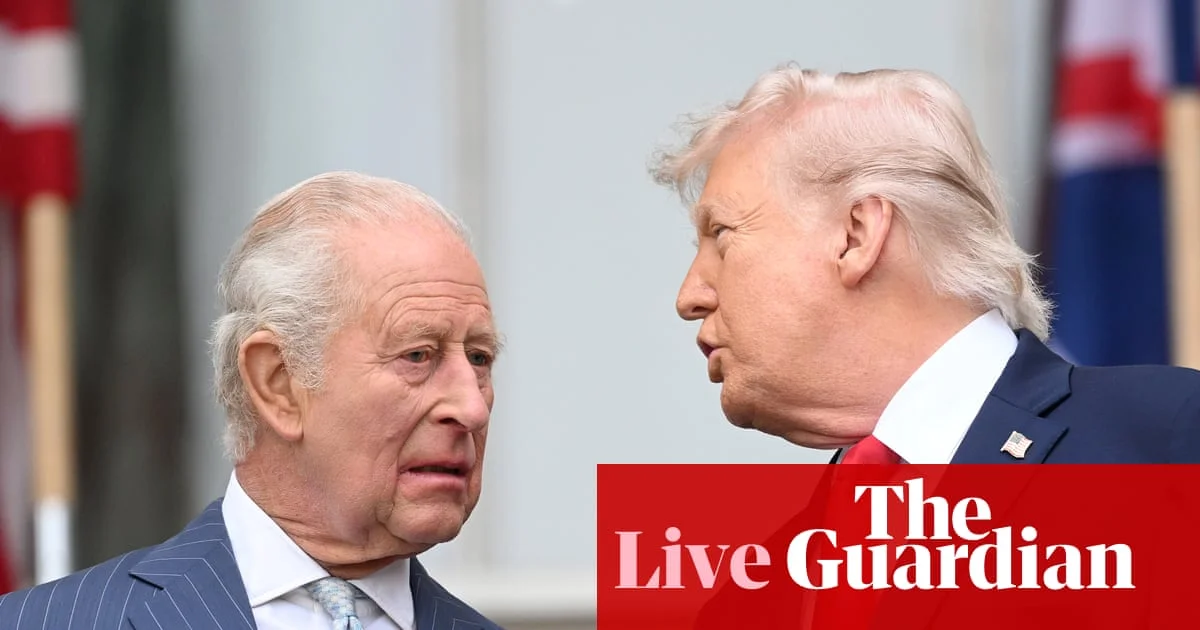
Donald Trump has escalated tensions by claiming King Charles III supports a total nuclear ban on Iran, sending the Toman into a 4.4% tailspin. Meanwhile, global oil prices have hit $115 as the Strait of Hormuz remains locked in a high-stakes naval blockade.
At time of publishing
USD
178,950
Toman
Gold 18K
19.86M
Toman / gram
Bitcoin
$77,096
US Dollar
Tether
17,289.9
Toman
The Royal Ultimatum: Trump’s Fresh Threats and Market Panic
In a move that has sent shockwaves through both diplomatic circles and currency markets, Donald Trump has issued a blistering new warning to Tehran. Posting on Truth Social, the US President claimed that King Charles III—who is currently traveling to New York to lay a wreath at the 9/11 memorial—is in full agreement with his hardline stance on a total nuclear ban for Iran. Trump’s rhetoric, which urged Iran to "better get smart soon," has immediate and visceral consequences for the Iranian economy. The timing is particularly sensitive as the US Federal Reserve, led by Jerome Powell in what is likely his final meeting, prepares to hold interest rates steady against a backdrop of surging energy prices fueled by the ongoing regional conflict. For the Iranian public, this geopolitical posturing translated into immediate financial pain. The USD/IRR exchange rate moved from 171,450 to 178,950 in just 24 hours, a staggering +4.4% jump that reflects a total loss of market confidence in any short-term de-escalation. This volatility isn't just a number on a screen; it represents a sharp contraction in purchasing power and a scramble for hard assets. Gold has followed suit, with 18k gold per gram rising from 19,078,212 to 19,856,641 (+4.1%), as families and investors attempt to hedge against a Toman that seems to have no floor in sight.
The $115 Oil Impasse and the Hormuz Blockade
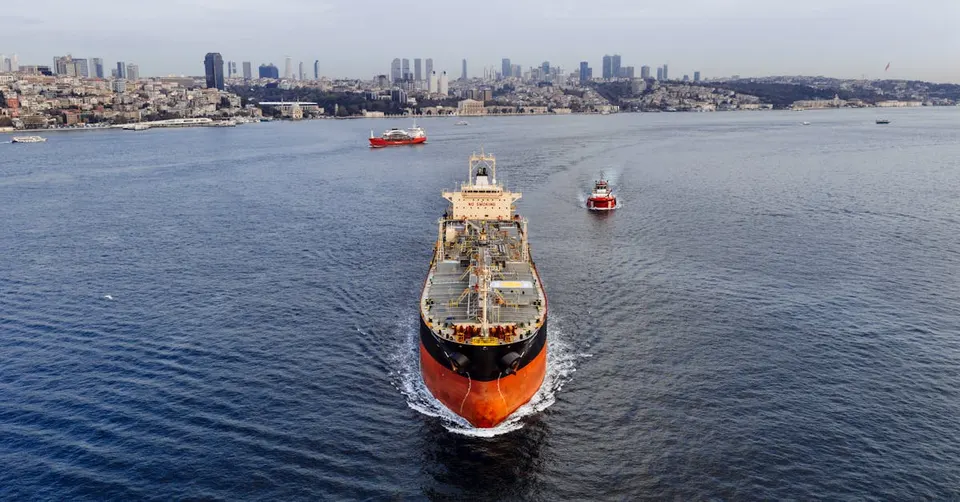
The global energy market is currently under a level of duress not seen in decades. The key global oil contract has surged to $115 per barrel as the impasse in the Strait of Hormuz continues with no resolution. US Treasury Secretary Scott Bessent has doubled down on the administration's strategy, explicitly calling the naval presence a "blockade" designed to choke off the remaining lifeblood of Iran’s oil industry. Bessent’s recent remarks on X suggest that the US believes the Iranian oil industry is on the verge of collapse, predicting imminent domestic gasoline shortages within Iran as production is "shut in" due to the inability to export. This supply-side shock is reverberating globally, with US national average gas prices climbing to $4.23 per gallon. The situation is further complicated by the United Arab Emirates' (UAE) sudden exit from OPEC, a move intended to allow the country to pursue its own production targets of 5 million barrels per day. While analysts suggest OPEC will survive the exit, the immediate effect is a fragmented market that is struggling to price in the risk of a prolonged blockade. For the average Iranian, the irony is bitter: while global oil prices soar, the domestic economy is being starved of the very revenue those prices should provide, leading to the 2.6% jump in Emami coins to the 200,000,000 Toman mark.
Social Spillover: Violence in London and Corporate Shifts
The tension of the Middle East conflict is increasingly spilling over into the streets of Western capitals. In North London’s Golders Green, a prominent Jewish neighborhood, two people were stabbed in what Prime Minister Keir Starmer has called an "utterly appalling" antisemitic attack. A suspect has been detained by the Metropolitan Police, but the event has heightened fears about the social stability of European cities as the war in the Middle East continues. This incident serves as a grim reminder that geopolitical conflicts are no longer contained by borders, affecting the sense of security for diaspora communities worldwide. Amidst this chaos, there are rare signals of economic pivoting. AstraZeneca, the UK’s largest drugmaker, has made a surprise U-turn by announcing a £300m investment in the British pharmaceutical sector after previously stalling projects due to a poor business climate. While this offers a small boost to the UK economy, it stands in stark contrast to the broader global trend of risk aversion. As the world watches the Strait of Hormuz and the rhetoric coming out of Washington, the primary focus remains on whether the current "blockade" strategy will lead to a total regional breakdown or a forced return to the negotiating table.
with emergency vehicles]
Frequently Asked Questions
Why did the USD/IRR price jump 4.4% today?
What is the 'Hormuz Blockade' mentioned by the US Treasury?
How did gold prices react to the latest geopolitical tension?
What is the significance of the UAE leaving OPEC?
The Strategic Importance of the Strait of Hormuz
The Strait of Hormuz, a narrow waterway between Oman and Iran, is one of the world’s most critical chokepoints for oil transport. Roughly 20% of global petroleum liquids—crude oil and condensate—pass through this 21‑mile-wide channel each day, making any disruption a potential shock to international energy markets. Its strategic relevance stems not only from the sheer volume of oil but also from the fact that the strait connects the Persian Gulf’s vast reserves to the open ocean, linking producers in Saudi Arabia, Iraq, Kuwait, and the United Arab Emirates with consumers in Europe, Asia, and the United States.
Because the strait is so narrow, naval vessels from both regional powers and extra‑regional actors can easily threaten or block passage. Historical incidents, such as the 2012 Iranian seizure of a British-flagged tanker and the 2019 attacks on oil tankers, illustrate how quickly geopolitical tensions can translate into real‑world supply constraints. When the flow of oil is threatened, spot prices can spike dramatically, prompting buyers to seek alternative safe‑haven assets like gold—a pattern evident in the recent surge of gold prices in Iran amid heightened regional risk.
The economic fallout of a Hormuz blockade extends beyond oil. Countries heavily dependent on imported energy—particularly India, China, and Japan—face higher import bills, which can accelerate inflation and weaken local currencies. For Iran, a blockade would exacerbate an already volatile exchange rate between the US dollar and the Iranian rial (or toman), deepening the currency’s depreciation and fueling capital flight. Moreover, regional allies such as the United Arab Emirates could reconsider their OPEC commitments if oil revenues become too uncertain, as hinted by recent speculation about the UAE’s possible OPEC exit.
Understanding the strait’s role helps explain why world leaders, from former US presidents to European monarchs, reference it in diplomatic rhetoric. A credible threat to close the Hormuz corridor can be used as leverage in negotiations over nuclear programs, sanctions, or broader security arrangements. Consequently, monitoring naval activity and diplomatic signals around the strait provides early warning of potential disruptions to global energy supply chains.
In short, the Strait of Hormuz is not merely a geographic feature; it is a linchpin of the global energy system. Its vulnerability underscores the interconnectedness of geopolitics, commodity markets, and national economies, making it a focal point for analysts, investors, and policymakers alike.