Energy Giants Profit as Toman Hits 182,000: Global Pay Gap Widens Amid Regional Conflict
سود کلان غولهای انرژی همزمان با عبور دلار از ۱۸۲ هزار تومان؛ شکاف طبقاتی در سایه تنشهای منطقهای
While US energy CEOs see record pay raises of $12.3 million, the Iranian Toman has plummeted 6.4% in 24 hours, crossing the critical 182,000 threshold as regional tensions and naval blockades disrupt global markets.
At time of publishing
USD
182,350
Toman
Gold 18K
20.30M
Toman / gram
Bitcoin
$77,818
US Dollar
Tether
17,498.9
Toman
The Energy Paradox: Record Profits Amidst Regional Turmoil
As the conflict in the Middle East continues to reshape global economics, a stark divide is emerging between the elite of the energy industry and the average consumer. Recent financial reviews indicate that CEOs of the top US energy firms received a staggering average pay raise of $12.3 million this past year, a 16% increase. This surge in executive compensation comes at a time when utility bills have spiked by as much as 40% in some regions, and power shut-offs reached a record 13 million instances in 2025. The narrative is clear: while the 'Iran war' and regional instability drive up global energy costs, the corporate entities managing these resources are reaping unprecedented rewards, largely decoupled from the financial pain felt by their customer base. This trend is mirrored in Europe, where French supermajor TotalEnergies reported a 30% jump in first-quarter earnings, reaching an adjusted net income of $5.4 billion. The company has subsequently raised its dividend by 6%, fueled by high oil prices and exceptional trading results stemming from market volatility. For the Iranian reader, this global energy surge is a double-edged sword. While higher oil prices theoretically benefit producers, the associated geopolitical risks and the tightening of naval blockades in the Gulf of Oman have led to a sharp depreciation of the Toman, negating many of the traditional benefits of an energy-export-led economy.

The Toman's Steep Descent and the 180,000 Threshold
The Iranian currency market has witnessed a dramatic shift over the last 24 hours, with the USD/IRR exchange rate jumping from 171,450 to 182,350, representing a 6.4% depreciation. This move past the psychological 180,000 Toman barrier is primarily driven by the stalling of diplomatic negotiations and reports of a prolonged U.S. naval blockade outside the Strait of Hormuz. Market participants are increasingly pricing in a 'long-term disruption' scenario, which has sent shockwaves through the domestic gold and coin markets as well. Gold 18k per gram has mirrored the dollar's rise, climbing 6.4% to reach 20,300,337 Toman, while the Emami coin has surged 5.1% to 205,000,000 Toman. This volatility reflects a deep-seated anxiety regarding supply chain security and the potential for a wider economic recession. Analysts at BNP Paribas have warned that if oil prices hit the $200 mark—a scenario becoming increasingly plausible as Brent tops $114—the global economy could tip into a severe downturn. For Iranians, this translates to immediate inflationary pressure on imported goods and a rapid erosion of purchasing power. The current market snapshot shows that the cost of hedging against local currency risk has never been higher, as USDT (Tether) trades at 17,499 Toman, acting as a critical barometer for capital flight and retail sentiment.
Bitcoin as a Sovereign Shield: A New Narrative from Prague
In a move that has captured the attention of institutional investors worldwide, Czech National Bank Governor Ales Michl recently made a compelling case for including Bitcoin in sovereign reserves. Speaking at the Bitcoin 2026 conference, Michl argued that BTC can improve the risk-reward profile of national reserve portfolios without materially increasing overall volatility. This endorsement from a traditional central banker marks a significant milestone in the institutional adoption of digital assets. It suggests a growing recognition that in an era of weaponized finance and massive fiat depreciation, decentralized assets like Bitcoin may offer a unique form of 'sovereign insurance.'
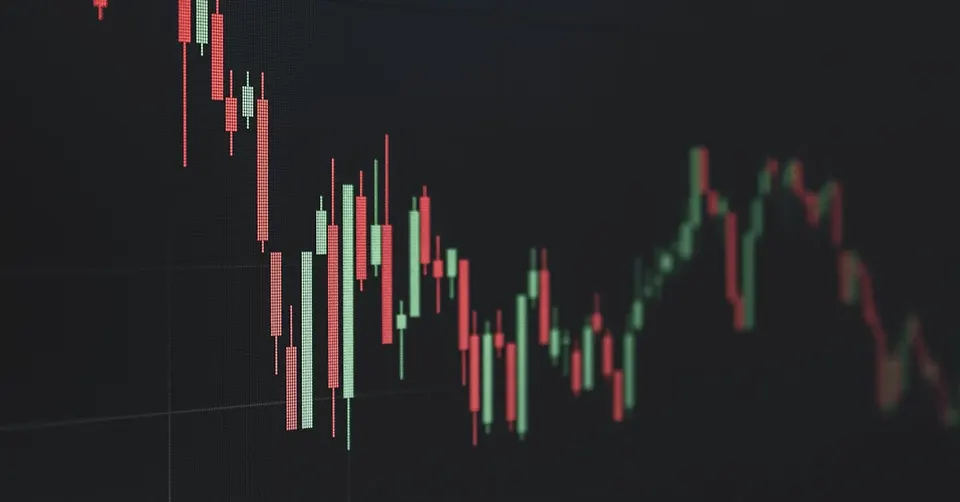
This shift in sentiment comes as Bitcoin trades at $77,818, maintaining its position as a preferred asset for those seeking to escape the instability of traditional currencies. New products, such as Mezo’s institutional yield vaults, are further enabling large-scale holders to put their idle BTC to work, signaling that the infrastructure for a 'Bitcoin-backed' financial future is rapidly maturing. For investors in the MENA region, where currency volatility is a persistent threat, the Czech governor's comments provide a theoretical framework for using digital assets not just as a speculative tool, but as a strategic component of national and personal wealth preservation.
Defense Realities and Symbolic Resistance
On the geopolitical front, the physical realities of modern warfare are becoming more transparent. French fighter pilots have recently gone public about their role in intercepting Iranian drones and missiles, highlighting the multi-national effort required to maintain regional security. Pilots like Commander Quentin and Captain Louis, who were initially deployed for counter-terrorism, found themselves at the forefront of a high-stakes aerial defense mission on February 28. This admission underscores the sophisticated nature of the current conflict, where autonomous systems and advanced AI-driven models—like those being developed by Scout AI—are becoming the primary tools of engagement. Meanwhile, within Iran, the response to external pressure is taking on symbolic dimensions. The Shajareh Tayyebeh School in Minab, which was damaged during recent hostilities, is set to be designated as a national site. This move, timed to coincide with National Persian Gulf Day, is a clear attempt by the Iranian government to frame the conflict through a lens of national resilience and cultural heritage. While the military-industrial complex continues to innovate for 'the wars of the future,' the human and cultural cost remains a central theme in the domestic narrative, as officials seek to bolster public morale amidst the ongoing economic squeeze.
Frequently Asked Questions
Why did the Toman drop 6.4% in a single day?
How is the 'Iran war' affecting US and European energy companies?
What is the significance of the Czech National Bank's comments on Bitcoin?
What was France's role in the recent regional drone interceptions?
Understanding Currency Depreciation: The Collapse of the Iranian Toman
When a currency loses value rapidly, the phenomenon is called depreciation or devaluation. In Iran’s case, the official exchange rate for the Toman (the unit used domestically, equal to 10 rials) fell to around 182,000 per U.S. dollar in April 2026, a level far beyond the market‑determined rate that had been hovering near 300,000 rials per dollar a few months earlier. Such a steep drop is usually driven by a mix of external pressures—sanctions that restrict oil exports and limit access to foreign currency—and internal imbalances, like high fiscal deficits, expansive monetary policy, and dwindling foreign reserves.
The mechanics are simple: as the central bank struggles to supply enough foreign currency to meet demand, the official rate is adjusted upward (i.e., the local currency weakens). Simultaneously, a parallel black‑market rate often emerges, reflecting the true scarcity of dollars. The gap between the official and black‑market rates can fuel inflation because import‑dependent businesses must pay more for raw materials, and the higher cost is passed on to consumers. In Iran, this has manifested in soaring prices for essentials, a spike in gold purchases as a hedge, and even adjustments in executive compensation at energy firms to keep pace with the eroding purchasing power.
A depreciating currency also reshapes the global pay gap. Multinational energy CEOs, such as those at TotalEnergies, see their salaries expressed in stable currencies (USD or euros) rise in real terms when compared to local workers whose wages are eroded by inflation. This disparity becomes stark when a country’s currency collapses, widening income inequality both domestically and internationally.
Policymakers can try to curb depreciation through tight monetary policy, raising interest rates to attract foreign capital, or by securing alternative sources of foreign exchange—often by selling gold reserves or negotiating limited‑scope trade deals. However, without addressing the underlying fiscal deficits and sanctions‑related constraints, any relief tends to be short‑lived. Understanding these dynamics helps explain why the Toman’s plunge has ripple effects across energy markets, gold prices, and even geopolitical calculations surrounding the Strait of Hormuz.
For readers who want to explore further, reputable sources include the International Monetary Fund’s country reports, Investopedia’s overview of currency depreciation, and Wikipedia’s entry on the Iranian rial, which detail the historical context and technical mechanisms behind such sharp devaluations.