Trump Labels Blockade 'Profitable Business' as Toman Slips 3.5%; Pakistan Urges Peace Amid Nuclear Impasse
توصیف محاصره ایران به عنوان «تجارت سودآور» توسط ترامپ؛ سقوط ۳.۵ درصدی تومان در بنبست مذاکرات
The Iranian Toman has devalued to 184,200 per USD as President Trump defends naval seizures as a 'profitable business.' Meanwhile, Pakistan is attempting to mediate a diplomatic breakthrough as peace talks over the Strait of Hormuz hit a critical impasse.
At time of publishing
USD
184,200
Toman
Gold 18K
20.66M
Toman / gram
Bitcoin
$78,232
US Dollar
Tether
18,232.6
Toman
The World Watches 'Traitors' While the Middle East Faces Reality
As the BBC announces the star-studded lineup for the second series of The Celebrity Traitors—featuring the likes of Miranda Hart and Ross Kemp—the contrast between Western entertainment and the escalating crisis in the Middle East has never been more jarring. While 21 celebrities prepare to play games of deception in a Scottish castle, the geopolitical board in the Persian Gulf is being reset with far higher stakes. For the Iranian public, this global cultural disconnect serves as a reminder of how localized their economic pain remains, even as the international community remains distracted by the 'bread and circuses' of reality television.
The announcement of such high-profile entertainment during a period of intense regional blockade highlights a growing 'normalization' of the crisis in global media. While the West consumes narratives of fictional betrayal, the Iranian market is grappling with the very real consequences of diplomatic failures. This divergence in focus often leads to delayed international responses to economic shifts, leaving local traders to navigate the volatility of the Toman without the cushion of global stability or attention.

---
Trump’s 'Pirate' Rhetoric and the Toman's 3.5% Slide
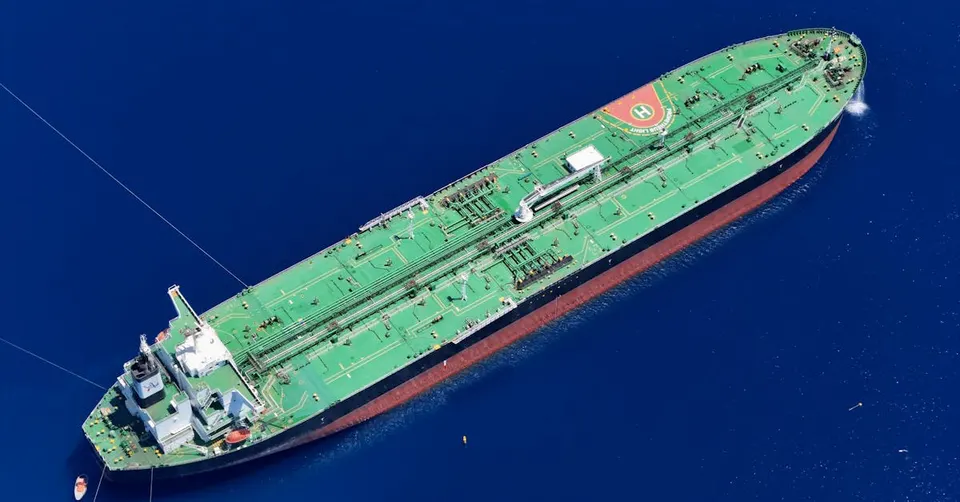
At a recent rally in Florida, President Donald Trump described the U.S. Navy’s actions during the ongoing blockade of Iranian ports as behaving like "pirates," explicitly calling the seizure of oil cargo a "very profitable business." This blunt admission has sent shockwaves through the foreign exchange markets. In the last 24 hours, the USD/IRR rate moved from 178,000 to 184,200, marking a sharp 3.5% devaluation of the Toman. Gold prices followed suit, with 18k gold rising from 20,023,777 to 20,658,617 Toman per gram (+3.2%), as citizens rush to hard assets to hedge against what appears to be a permanent state of economic warfare.
Trump’s framing of the blockade as a profit-generating enterprise rather than a purely strategic maneuver suggests that the U.S. administration may be less inclined to reach a quick settlement. If the seizure of Iranian assets is viewed as a revenue stream for the U.S. Treasury, the incentive for a diplomatic 'off-ramp' diminishes. This has led to a breakdown in market confidence, as traders realize that the 'peace talks' reported by the New York Times are currently at a total impasse over the nuclear program and the closure of the Strait of Hormuz.
---
Pakistan’s Diplomatic Hail Mary and the Nuclear Impasse
Amidst the deadlock, a senior Pakistani senator has emerged as a vocal advocate for regional de-escalation, stating that stopping a potential U.S.-Israeli war on Iran is Islamabad’s top priority. Pakistan views a post-sanctions Iran not just as a neighbor, but as a vital partner for regional prosperity. However, the path to this "bright chapter" remains blocked by the fundamental disagreement over Iran’s nuclear enrichment levels and the reopening of global shipping lanes. The New York Times reports that despite back-channel efforts, neither side is willing to blink first, leaving the global economy vulnerable to continued supply chain disruptions.
For the average Iranian, this diplomatic stalemate translates directly to the cost of living. While the Emami coin saw a modest 0.5% increase to 204,000,000 Toman, the broader inflationary pressure is mounting. The impasse means that the 'sanctions relief' promised in earlier rounds of talks remains a distant hope. As long as the Strait of Hormuz remains a flashpoint, the risk premium on the Toman will remain high, regardless of the mediation efforts from regional powers like Pakistan.
---
The Shift to Two Wheels: Adapting to the New Economy
As fuel prices and transport costs soar under the weight of the blockade, many Iranians are looking for practical ways to navigate the economic squeeze. A professional bike fitting or choosing the right size for a new bicycle has moved from a hobbyist concern to a vital economic strategy for urban commuters. With car parts becoming scarce and the Toman losing value daily, the shift toward sustainable, low-cost transportation is accelerating across major cities like Tehran and Isfahan.
Investing in quality personal transport is becoming a form of individual economic resilience. Just as the market seeks stability in gold, the middle class is seeking stability in mobility. This trend reflects a broader survivalist shift in the Iranian economy, where the focus has moved from long-term growth to immediate efficiency and cost-saving measures in the face of an uncertain geopolitical future.

Frequently Asked Questions
Why did the Toman drop 3.5% in 24 hours?
What is Pakistan's role in the current US-Iran conflict?
Is the Strait of Hormuz still closed?
How is the Iranian public reacting to the economic pressure?
Understanding Economic Sanctions and Their Impact
Economic sanctions are a powerful tool of foreign policy, representing a non-military form of coercion used by one or more countries against another. They involve the imposition of penalties and restrictions, typically targeting a country's trade, finance, or travel. The primary goal of sanctions is to compel a targeted state, group, or individual to change a particular behavior or policy that is deemed objectionable by the imposing entity, such as halting nuclear proliferation, improving human rights, or ceasing support for terrorism.
These measures can take various forms, ranging from comprehensive embargoes that restrict nearly all economic interactions to more targeted sanctions focusing on specific sectors, industries (like oil or banking), or individuals within a regime. For instance, financial sanctions might freeze assets, restrict access to international banking systems, or limit borrowing. Trade sanctions could prohibit the import or export of certain goods, technology, or services. The intended effect is to create economic pressure, making it costly for the targeted entity to continue its current course of action.
However, economic sanctions often have significant and complex ripple effects, particularly on the targeted country's broader economy and its citizens. They can lead to severe currency devaluation, as seen with the Iranian Toman, high inflation, reduced foreign investment, and challenges in accessing essential goods and services. While regimes may attempt to foster "economic resilience" through domestic production and alternative trade routes, the long-term impact on living standards can be substantial. The effectiveness of sanctions in achieving their stated goals is a subject of ongoing debate among policymakers and economists, with outcomes varying widely depending on their design, enforcement, and the political landscape.