Toman Sinks as Trump Rejects Peace Offer and Damascus Attack Fuels Regional Tension
سقوط ریال در پی رد پیشنهاد صلح توسط ترامپ و حمله تروریستی در دمشق
As Tehran condemns a deadly attack in Syria, the Toman has plunged 3.5% following Donald Trump's rejection of Iran's latest peace proposal. Meanwhile, global oil giants warn that energy flows will remain restricted even if the Strait of Hormuz reopens.
At time of publishing
USD
184,200
Toman
Gold 18K
20.69M
Toman / gram
Bitcoin
$78,230
US Dollar
Tether
18,365.6
Toman
Terrorist Attack in Damascus Rattles Regional Stability
In a move that has sent shockwaves through regional diplomatic circles, Iran’s Foreign Ministry has officially condemned a deadly terrorist attack near the Sayyida Zainab Shrine in Damascus. Foreign Ministry spokesperson Esmaeil Baqaei confirmed that the attack resulted in the martyrdom of the Friday prayer leader in the Syrian capital. This escalation comes at a sensitive time when regional security was already on a knife-edge, and such targeted assassinations often serve as a catalyst for renewed volatility in the Middle East's financial hubs.
For Iranian markets, this tragedy adds a heavy "security premium" to the cost of doing business. When symbolic and religious sites are targeted, it often signals a breakdown in back-channel de-escalation efforts, prompting local investors to flee from the Toman into the safety of hard assets. This is reflected in the immediate market reaction, where we have seen gold prices surge alongside the currency. The government in Tehran is currently balancing a domestic agenda of educational reform—with President Masoud Pezeshkian emphasizing teachers' livelihoods—against a backdrop of intensifying regional fire that threatens to derail economic stabilization.

Trump Rejects Tehran’s Peace Proposal as Toman Devalues
The fragile three-week ceasefire between Washington and Tehran is facing its greatest test yet. Donald Trump stated on Friday that he is "not satisfied" with Iran’s latest proposal for peace talks, a move that has been met with warnings from senior Iranian officials that renewed combat is now "likely." This diplomatic deadlock has had an immediate and bruising impact on the Iranian Rial. In the last 24 hours, the USD/IRR rate moved from 178,000 to 184,200, representing a sharp 3.5% devaluation. This spike underscores the market's sensitivity to Trump’s rhetoric, which continues to treat the ongoing naval blockade of the Strait of Hormuz as a "profitable business" for the United States.
This "piracy" narrative, as some officials have termed it, suggests that the US administration is in no rush to end the blockade if it serves their strategic and financial interests. For the average Iranian citizen, this translates to higher costs for imported goods and a general sense of economic anxiety. Gold 18k per gram has also risen from 20,023,777 to 20,691,860 Toman (+3.3%), mirroring the flight to safety. As long as the White House remains unsatisfied with the terms of negotiation, the "no-war, no-peace" limbo will continue to drain the purchasing power of the Iranian middle class.
Global Energy Crisis Deepens as Oil Facilities Face New Threats
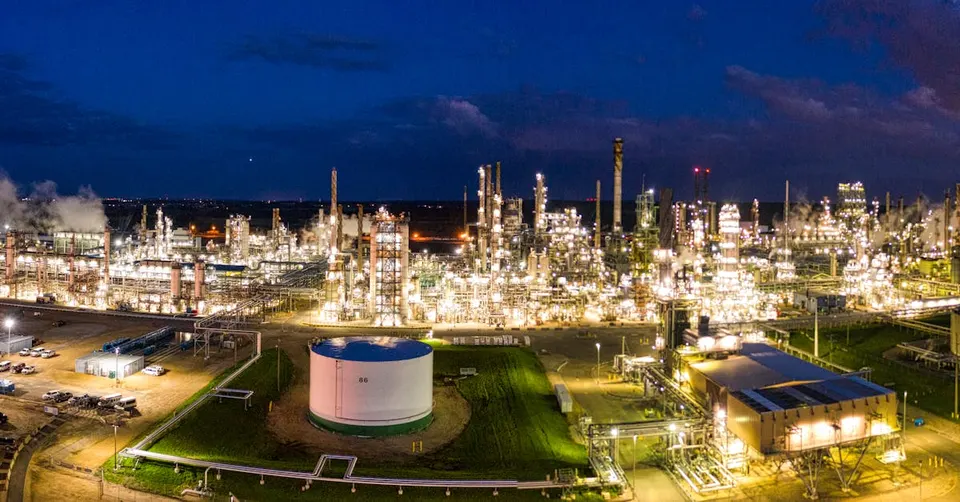
While the situation in the Persian Gulf remains the primary driver of market fear, a secondary front in the global energy war is opening in Eastern Europe. Ukrainian drones have successfully struck oil facilities deep inside Russia, aimed at crippling Moscow's export revenue. However, the ripple effects are being felt globally. Major American oil firms like Exxon and Chevron have issued a sobering warning: even if the Strait of Hormuz were to reopen tomorrow, it would take months, not weeks, for global oil and gas flows to return to pre-war norms. The infrastructure of global energy is not a light switch that can be flipped back on; the damage to supply chains is systemic and deep.
This global supply squeeze is hitting consumers where it hurts most. In the United States, petrol prices in California are soaring, creating a political headache for the administration ahead of the midterms. For Iran, the situation is a double-edged sword. While higher global oil prices theoretically increase the value of its reserves, the physical blockade and the continued targeting of regional energy infrastructure mean that the country cannot easily capitalize on these highs. With Bitcoin hovering around $78,230 and showing its best monthly performance in a year, some investors are looking toward digital assets as the ultimate hedge against a world where physical energy corridors are increasingly under siege.
Frequently Asked Questions
Why did the USD/IRR jump 3.5% today?
What did Trump mean by calling the naval blockade a 'profitable business'?
Will oil prices drop if the Strait of Hormuz reopens?
How is the Damascus attack affecting the Iranian economy?
Understanding Geopolitical Risk and Its Market Impact
Geopolitical risk refers to the potential for political events, conflicts, or instability in one region to significantly impact global economic and financial markets. These events can range from international disputes, wars, and terrorist attacks to trade wars, political coups, and major policy shifts by influential nations. Unlike typical market risks, geopolitical risks are often unpredictable and can trigger sudden, widespread volatility, making them a critical factor for investors, businesses, and governments to monitor.
When geopolitical tensions escalate, currency markets are often among the first to react. Investors tend to seek "safe-haven" currencies like the U.S. Dollar, Japanese Yen, or Swiss Franc, leading to capital outflows from countries perceived as vulnerable or directly involved in the conflict. This flight to safety can cause the currency of the affected nation, such as the Iranian Toman in times of regional instability, to depreciate sharply. The increased uncertainty also deters foreign direct investment and can exacerbate inflation as import costs rise.
Commodity markets, particularly oil, are also highly sensitive to geopolitical risk. Regions like the Middle East are crucial for global oil supply, and any threat to shipping lanes (e.g., the Strait of Hormuz) or production facilities can send oil prices soaring. This is due to fears of supply disruptions, even if actual output remains unaffected initially. Similarly, gold, traditionally seen as a safe-haven asset, often sees its price rise during periods of heightened geopolitical uncertainty as investors look for a hedge against economic instability and currency devaluation. The interplay of these factors can create a complex ripple effect across global economies.