NATO Fractures as Trump Pulls Troops Over Iran Policy; Spirit Airlines Collapses Under Fuel Price Shock
شکاف در ناتو با خروج نیروهای آمریکا به دلیل ایران؛ سقوط اسپریت ایرلاینز زیر فشار قیمت سوخت
The geopolitical landscape is shifting rapidly as President Trump orders the withdrawal of 5,000 U.S. troops from Germany following a rift over Iran policy. Meanwhile, Spirit Airlines has shuttered operations as soaring fuel costs, driven by regional tensions, make low-cost flying unsustainable.
At time of publishing
USD
184,000
Toman
Gold 18K
20.67M
Toman / gram
Bitcoin
$78,373
US Dollar
Tether
18,312.8
Toman
NATO in Turmoil: The Cost of a Disagreed Iran Policy
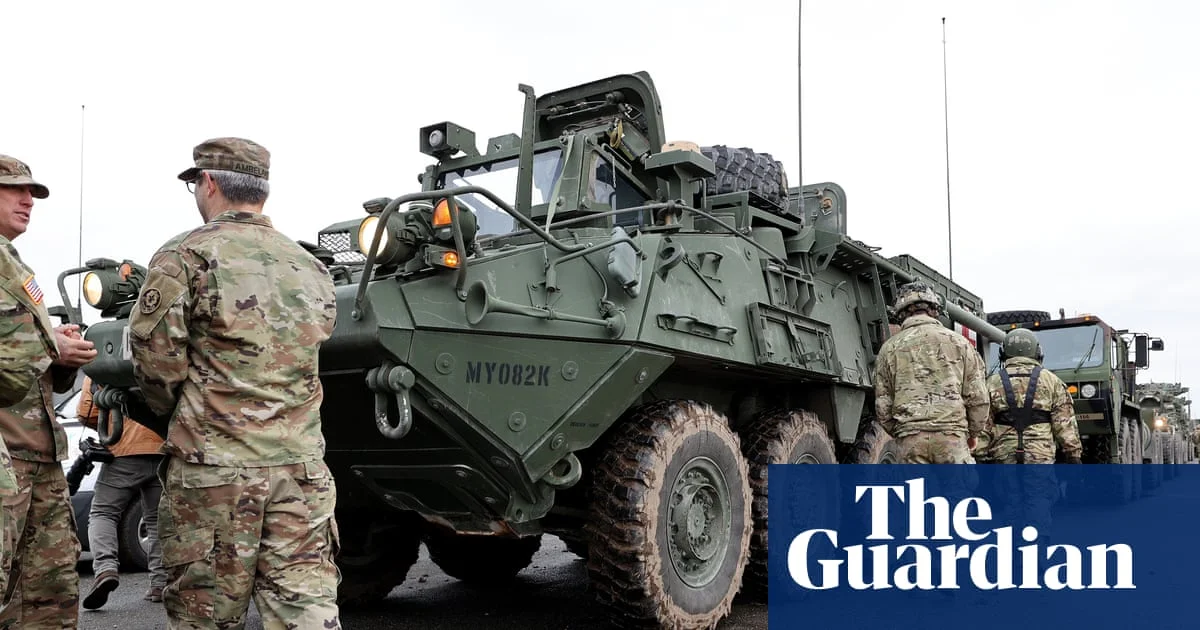
In a move that has sent shockwaves through European capitals, the United States has officially begun the process of withdrawing 5,000 troops from Germany. This decision, ordered by President Donald Trump, is not a routine redeployment but a direct consequence of a deepening feud with German Chancellor Friedrich Merz. The core of the disagreement lies in Berlin’s vocal criticism of Washington’s aggressive posture toward Iran. NATO officials are now scrambling to "understand the details" of a move that many fear undermines the collective defense of the continent at a time of heightened global volatility.
For Iran, this rift within the Western alliance is a significant development. A divided NATO and a friction-filled relationship between the U.S. and its strongest European ally, Germany, suggests a weakening of the unified diplomatic and economic pressure front. While the Pentagon claims the withdrawal will take six to twelve months, the symbolic damage is immediate. German officials are already calling this a wake-up call for Europe to invest in its own independent defense, signaling a shift away from the U.S.-led security umbrella that has dominated the post-war era.

Spirit Airlines Shuts Down: The Economic Fallout of War
After 34 years in the skies, Spirit Airlines has officially ceased operations, canceling all flights as of 3:00 AM ET on Saturday. The collapse of the ultra-low-cost carrier is being directly attributed to the doubling of jet fuel prices following the escalation of the conflict involving Iran. The airline's website now serves as a digital tombstone, redirecting passengers to a restructuring portal and warning them not to travel to airports. This shutdown marks one of the most significant domestic economic casualties of the current administration’s foreign policy, proving that regional conflicts in the Middle East have immediate, devastating consequences for American businesses and consumers.
This bankruptcy highlights the fragility of the global transportation sector in the face of energy shocks. As the "war on Iran" drives Brent crude and refined products to record highs, the low-margin business model of discount carriers has become untenable. For the average traveler, this means fewer choices and significantly higher fares, while for the market, it serves as a stark warning: the cost of geopolitical posturing is being paid at the gas pump and the boarding gate. The ripple effect is expected to hit other logistics and transport firms if the energy supply chain remains under duress.

Toman Sinks to 184,000 Amid Regional Security Risks
On the domestic front, the Iranian Toman continues its downward trajectory as market anxiety reaches a fever pitch. In the last 24 hours, the USD/IRR rate moved from 178,000 to 184,000, representing a sharp 3.4% devaluation. This slide is mirrored in the gold market, where 18k gold rose from 20,023,777 to 20,669,698 Toman per gram (+3.2%). The lack of movement in the Emami coin, which remains stagnant at 203,000,000 Toman, suggests a temporary liquidity trap or a psychological ceiling that traders are hesitant to break before the next major geopolitical headline.
Security concerns in the waterways have only added fuel to the fire. Reports of an oil tanker being hijacked off the coast of Yemen and taken toward Somalia have reignited fears of a total maritime blockade or a surge in insurance premiums for shipping. This regional instability, combined with the domestic pressure on digital asset platforms like Nobitex—which recently issued a detailed rebuttal to a Reuters report—has created a perfect storm of uncertainty. Investors are increasingly seeking refuge in hard assets and stablecoins, with USDT trading at 18,313 Toman, reflecting a persistent premium over the physical banknote rate.
The Digital Front: Nobitex Pushes Back Against Global Pressure
As the economic war expands into the digital realm, Nobitex, Iran’s largest crypto exchange, has launched a vigorous defense against recent international media portrayals. Responding to a Reuters report that characterized the platform as an entity closely tied to the state, Nobitex argued that the narrative was "selective and incomplete." The exchange maintains that it is a private technology company being unfairly targeted by political assumptions and unverified allegations. This conflict underscores the growing importance of blockchain infrastructure in Iran’s strategy to bypass traditional financial sanctions.
What this means for the average Iranian user is a heightened sense of risk regarding international platform accessibility. As global regulators and media outlets increase their scrutiny of Iranian digital flows, the battle for financial sovereignty moves from the banking system to the blockchain. The outcome of this narrative war will likely determine whether Iranian tech firms can maintain their independence or if they will be forced into even tighter integration with state-managed systems to survive the ongoing economic siege.
Frequently Asked Questions
Why is Trump withdrawing troops from Germany?
How did the Iran conflict cause Spirit Airlines to go bankrupt?
What is the significance of the 184,000 Toman exchange rate?
What was Nobitex's response to the Reuters report?
Understanding Currency Devaluation under Sanctions: Iran’s Rial and Toman in 2026
When a country faces extensive international sanctions, its currency often bears the brunt of the economic shock. Currency devaluation is the decline in the value of a nation’s money relative to foreign currencies, typically measured against the US dollar (USD). In Iran, the official exchange rate for the Iranian rial (IRR) has been artificially maintained by the central bank, while a parallel market – the free‑market rate – reflects true supply‑demand dynamics. By May 2026 the gap between the official and free‑market rates widened dramatically, pushing the USD/IRR price to record highs and prompting many Iranians to turn to alternative stores of value such as gold and cryptocurrencies like those traded on Nobitex.
Sanctions restrict Iran’s ability to export oil, obtain foreign financing, and access the global SWIFT payment system. These constraints reduce foreign currency inflows, creating a shortage of dollars that fuels the rial’s depreciation. As the rial weakens, imported goods become more expensive, feeding inflation and eroding real wages. The government’s response—raising the official exchange rate and imposing price caps—often fails to curb the market’s expectations, leading to a self‑reinforcing spiral of devaluation.
A devalued currency also reshapes other sectors of the economy. Airlines such as Spirit, which operate routes to the Middle East, face soaring fuel costs because jet fuel is priced in dollars; a weaker rial makes hedging and purchasing fuel more costly, contributing to financial distress and, in extreme cases, bankruptcy. Similarly, Iranians seeking to preserve wealth buy gold, pushing up the gold price in Iran and creating a feedback loop where gold becomes both a hedge and a driver of further currency weakness.
Policymakers can attempt to stabilize the currency through measures like tightening monetary policy, building foreign‑exchange reserves, or negotiating limited sanction relief. However, without a durable resolution to the underlying geopolitical tensions—such as the NATO‑Iran policy rift highlighted in recent diplomatic talks—any stabilization is likely to be temporary. Understanding the mechanics of devaluation helps investors, businesses, and citizens anticipate the broader economic fallout of sanctions.
For a deeper dive, see the references below, which detail the rial’s trajectory, the role of sanctions, and the macro‑economic implications for Iran in 2026.