Trump Targets Global Shipping as Toman Hits 183,100; NATO Fractures Over Iran War
تهدید ترامپ علیه خطوط کشتیرانی همزمان با صعود دلار به ۱۸۳ هزار تومان؛ شکاف در ناتو بر سر ایران
The US has threatened global shipping companies with sanctions if they pay transit tolls to Iran, further escalating the Strait of Hormuz blockade. Meanwhile, the Iranian Toman has surged to 183,100 per USD as geopolitical tensions trigger a flight to safe-haven assets like gold.
At time of publishing
USD
183,100
Toman
Gold 18K
20.54M
Toman / gram
Bitcoin
$78,401
US Dollar
Tether
18,248.4
Toman
The Shipping Toll Standoff: Trump’s New Economic Front
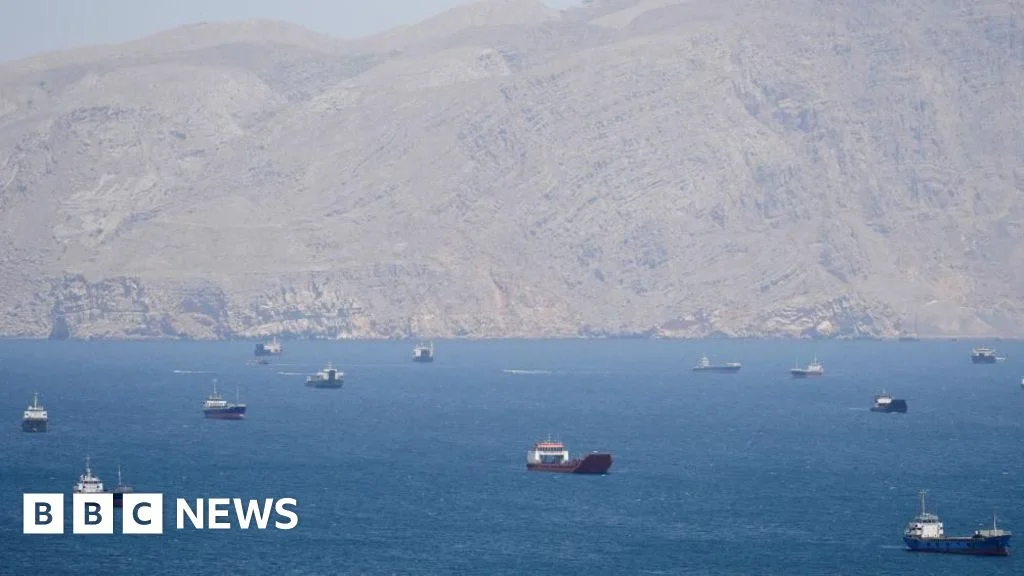
The geopolitical temperature in the Persian Gulf reached a boiling point this Saturday as the White House issued a stern warning to the global shipping industry. President Donald Trump has officially threatened international shipping firms with secondary sanctions if they comply with Iran's demands for transit tolls in the Strait of Hormuz. This move follows the Iranian government's recent implementation of a 'sovereignty fee' for vessels passing through the strategic waterway, a tactic Tehran claims is justified by the need to maintain maritime security in the face of a US naval blockade.
President Trump, speaking from Washington, characterized the ongoing blockade as a 'very profitable business' for the US, while simultaneously rejecting Iran's latest peace proposal. By targeting the financial transactions of shipping companies, the US aims to cut off a potential multi-billion dollar revenue stream for Tehran. However, this escalation risks further disrupting global supply chains, as major carriers may now be forced to choose between facing US sanctions or risking seizure by Iranian forces for non-payment of tolls. The immediate result is a sharp increase in maritime insurance premiums and a growing sense of unpredictability for global trade.
Toman Sinks as Market Panic Sets In
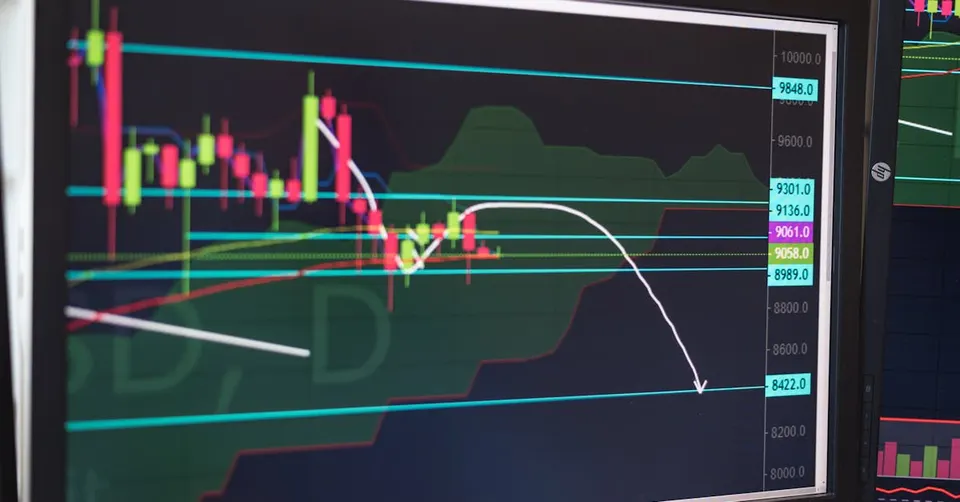
Domestically, the economic fallout of these tensions is being felt with brutal clarity in the currency markets. The Iranian Toman has experienced a significant devaluation over the last 24 hours, with the USD sell rate moving from 178,000 to 183,100 (+2.9%). This surge reflects a broader lack of confidence in diplomatic resolutions and a rush by local investors to protect their capital in hard currency. The psychological barrier of 180,000 has been decisively broken, leading to long queues at exchange houses and a freeze in many long-term business contracts that rely on stable exchange rates.
The gold market is mirroring this volatility. Gold 18k per gram rose from 20,023,777 to 20,536,266 (+2.6%), while the global gold ounce remains elevated at $4,615.40. For the average Iranian, this means the cost of basic imports and electronics is likely to see another round of price hikes within the week. While the Emami coin has remained stable at 203,000,000 Toman for the moment, analysts suggest that if the USD continues its upward trajectory, we could see a delayed but sharp correction in the coin market as well.
NATO Fractures: The Germany-US Troop Dispute
Beyond the Middle East, the Iran conflict is causing unprecedented friction within the NATO alliance. The United States has confirmed plans to withdraw 5,000 troops from Germany, a decision that comes directly after a public dispute between President Trump and German Chancellor Friedrich Merz over the US strategy in the Middle East. Berlin has increasingly questioned the legality and long-term viability of the naval blockade, arguing that it risks a wider regional war that Europe is unprepared for. In response, Washington has used troop withdrawals as a lever of political pressure, signaling a shift toward a more transactional and unilateral foreign policy.
This withdrawal has sent shockwaves through European capitals. Germany’s defense minister noted that the reduction in American presence should serve as a wake-up call for European countries to bolster their own independent defense capabilities. This 'transatlantic divorce' over Iran policy suggests that the US can no longer count on a unified front from its traditional allies. For Iran, this division in the West provides a diplomatic opening, though it remains to be seen if Tehran can capitalize on these internal NATO tensions to secure a more favorable deal or if the US will simply double down on its 'maximum pressure' tactics.
Regional Alignments and the 'Lazy' Investor Strategy
While the US and NATO bicker, regional players are hardening their stances. In Baghdad, a prominent Friday prayer leader hailed the latest statements from Ayatollah Khamenei regarding Iran's sovereignty over the Strait of Hormuz as 'decisive for the future of West Asia.' This local religious and political backing suggests that the US blockade is being framed across the region not as a security measure, but as an infringement on regional autonomy. This narrative is gaining traction in neighboring countries, potentially complicating US efforts to build a regional coalition against Tehran.
On the global investment front, despite the chaos, the S&P 500 has recorded its best month since 2020. Financial experts are advising a 'lazy millionaire' approach—focusing on long-term compound growth rather than reacting to daily geopolitical headlines. For those in more stable markets, this strategy can add a 20% bonus to retirement savings. However, for Iranian investors caught in the eye of the storm, 'lazy' investing is a luxury they cannot afford, as the rapid 2.9% daily fluctuations in the Toman require constant vigilance and active hedging to prevent the total erosion of purchasing power.
Frequently Asked Questions
What are the shipping tolls Iran is trying to collect?
Why is the US withdrawing troops from Germany now?
How much has the Toman devalued in the last 24 hours?
What is the 'lazy millionaire' strategy mentioned in the markets?
The Geopolitical Significance of Choke Points: The Strait of Hormuz
Global trade relies on vast networks of sea lanes, but certain narrow passages, known as "choke points," are disproportionately critical. These are geographical bottlenecks—straits, canals, or other maritime routes—that concentrate maritime traffic, making them highly vulnerable to disruption. Their strategic importance stems from the fact that any blockage, whether due to conflict, piracy, or political maneuvering, can have cascading effects on global supply chains, energy markets, and international security. Understanding these choke points is essential for grasping the intricate connections between geopolitics and the global economy.
Among the most vital of these maritime choke points is the Strait of Hormuz. Situated between the Persian Gulf and the Gulf of Oman, this narrow waterway is the sole sea passage from the Persian Gulf to the open ocean. It is arguably the world's most important oil transit choke point, through which a significant portion of the world's seaborne oil and liquefied natural gas (LNG) passes daily. Its strategic location makes it indispensable for the export of crude oil from major producers like Saudi Arabia, Iran, UAE, Kuwait, and Iraq.
The geopolitical sensitivity of the Strait of Hormuz is immense. Any threat to its free passage, whether from regional tensions, military exercises, or the imposition of sanctions, can send shockwaves through international energy markets, leading to sharp spikes in oil prices and increased shipping insurance costs. For nations reliant on energy imports, disruptions here pose a direct threat to their economic stability and national security. Consequently, maintaining stability and freedom of navigation in the Strait is a paramount concern for global powers and a frequent point of international diplomatic and military focus, as seen in various historical and ongoing disputes in the region.