Trump’s FDA Purge Sparks Health Crisis as Toman Gains Ground Amid Hormuz Stalemate
بحران در بدنه سلامت دولت ترامپ؛ سایه سنگین بنبست هرمز بر بازار ارز تهران
As President Trump moves to fire the FDA chief, institutional trust plummets, while the Tehran market reacts to a failed US naval mission in the Strait of Hormuz and a pending ceasefire response.
At time of publishing
USD
178,200
Toman
Gold 18K
20.34M
Toman / gram
Bitcoin
$80,261
US Dollar
Tether
17,800.3
Toman
The FDA in Turmoil: Trump’s Regulatory Purge
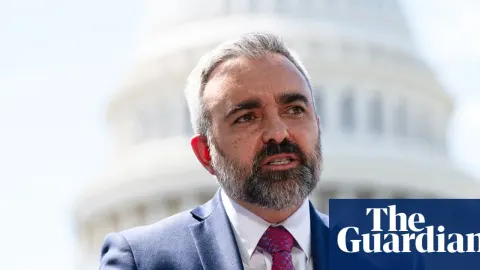
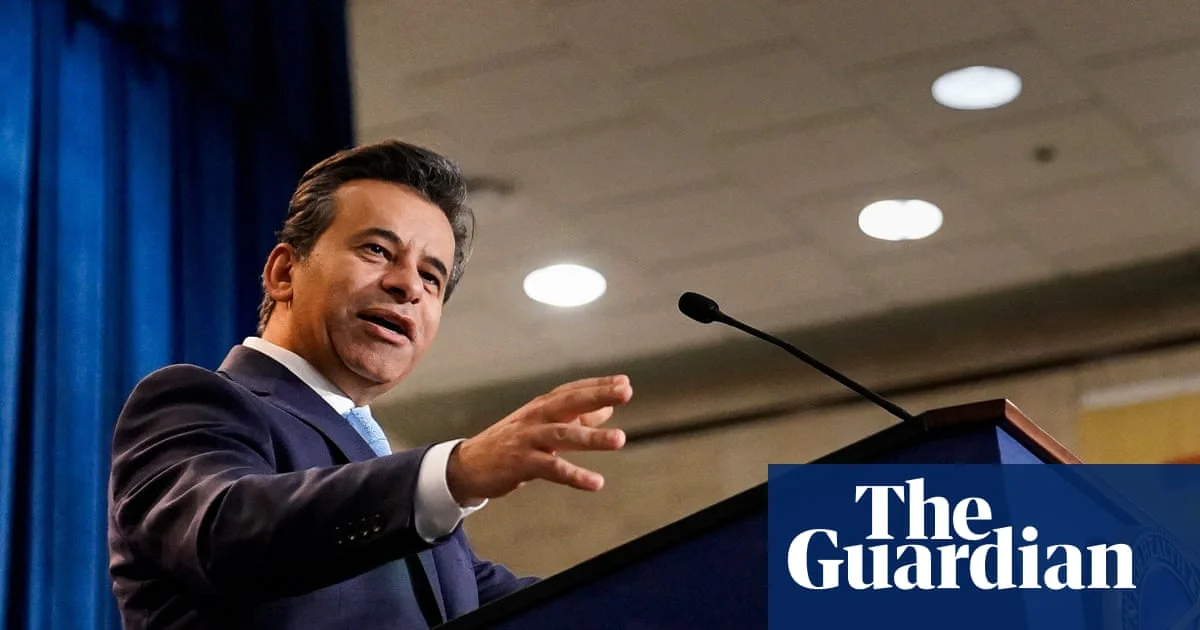
In a move that has sent shockwaves through the global healthcare and pharmaceutical sectors, President Donald Trump has signaled the imminent firing of Marty Makary, the commissioner of the US Food and Drug Administration (FDA). This decision comes after months of escalating friction between the White House and the agency over controversial drug approvals, vaccine safety data, and a series of high-profile layoffs that have decimated staff morale. The reports suggest that the administration is frustrated with what it perceives as a 'mess' within the agency, yet the timing could not be worse for public trust, which is already at a historic low following disputes over COVID-19 vaccine transparency and the regulation of reproductive health products.
For the global market, and specifically for countries like Iran that rely on international standards for pharmaceutical procurement, this instability is a major red flag. When the world’s gold-standard regulator enters a period of political volatility, it disrupts the predictable flow of medical innovation and clinical trial standards. The transition from rigorous two-trial requirements to a more relaxed 'data-free' regulatory environment, as critics have called it, threatens to undermine the credibility of US-made medical exports. This isn't just a personnel change; it is a fundamental shift in how the US government interacts with science, raising fears that political loyalty is being prioritized over public safety.

Hormuz Stalemate: 'Project Freedom' and the Toman’s Rise
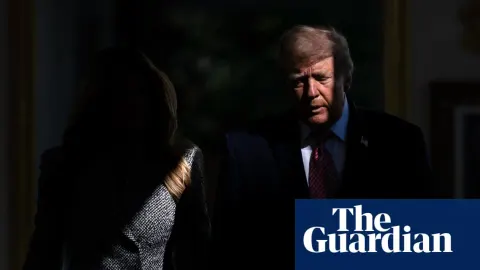
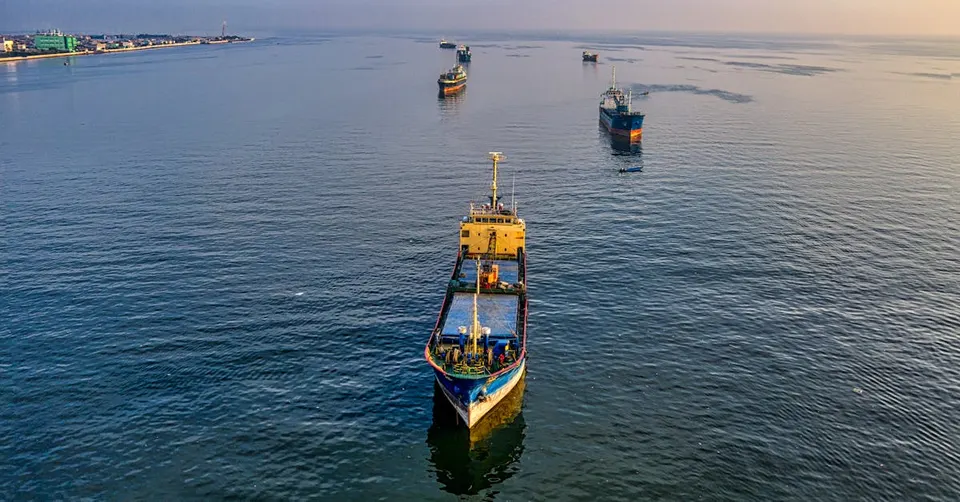
The geopolitical landscape in the Persian Gulf remains dangerously unpredictable. While US Secretary of State Marco Rubio claims Washington is awaiting a response from Tehran regarding an interim ceasefire deal, the reality on the water tells a different story. Reports from CNN have labeled President Trump’s 'Project Freedom'—a naval mission intended to break the maritime blockade in the Strait of Hormuz—as a total failure. Out of approximately 1,600 vessels currently trapped or stalled in the Gulf, only two managed to pass through under the mission's protection. This staggering inefficiency has emboldened local markets and provided a grim outlook for those hoping for a quick resumption of global trade flows.
In Tehran, this lack of military or diplomatic progress has directly translated into currency volatility. The USD sell rate moved from 176,700 to 178,200 Toman, marking a 0.8% increase in just 24 hours. The market is pricing in the reality that a diplomatic breakthrough is not as close as Rubio’s rhetoric might suggest. As long as the Strait remains a contested zone and the US naval presence fails to achieve its stated goals, the risk premium on the Toman will continue to rise. Traders are increasingly skeptical of 'interim deals' that do not address the fundamental naval presence of Western powers in Iranian waters.
The Regional Toll: From Petra’s Silence to Tehran’s Rubble
The economic consequences of the ongoing regional conflict are spreading far beyond the borders of Iran and Israel. Jordan’s tourism sector, a vital pillar of its national economy, has effectively collapsed. The ancient city of Petra, typically teeming with thousands of international visitors, now stands nearly empty. This regional 'tourism drought' reflects a broader fear among global travelers that the Middle East is no longer a safe destination. For Iran’s neighbors, the war is not just a security threat but an economic catastrophe that is erasing years of post-pandemic recovery progress.
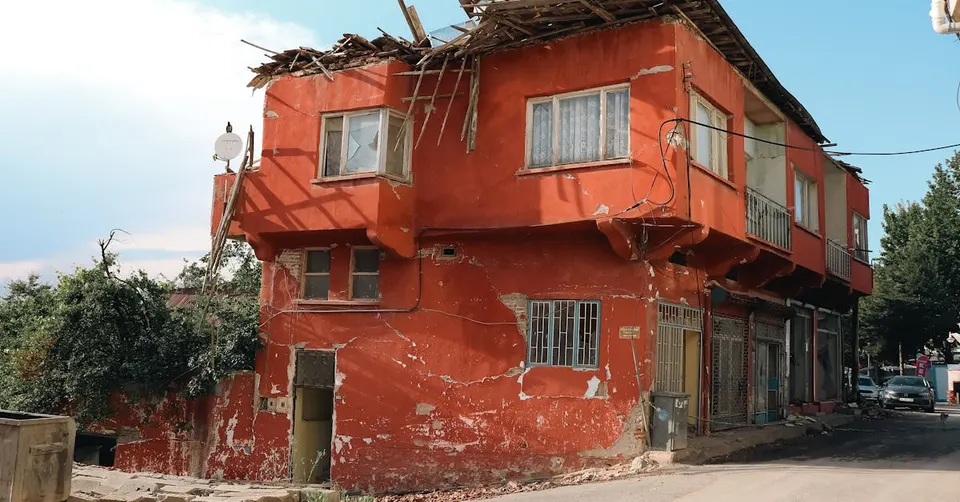
Domestically, the physical scars of the conflict are becoming part of the urban landscape. Recently, media personnel were invited to visit the ruins of the Shokufeh Cinema Complex in Tehran, which was heavily damaged during the late February escalations involving US and Israeli strikes. The sight of a cultural landmark reduced to rubble serves as a potent symbol of the human and social cost of the current stalemate. While the Army Ground Force celebrates victories in the domestic ice hockey league and farmers in the north continue the tradition of rice paddy football, the shadow of the 'war of aggression' remains the dominant narrative for the Iranian public, influencing everything from consumer spending to long-term investment in the Tehran Stock Exchange.
Market Analysis: Gold and the Safety Flight
As the Toman loses ground, Iranian investors are once again flocking to hard assets. Gold 18k per gram rose from 20,186,758 to 20,339,812 Toman (+0.8%), moving in perfect lockstep with the dollar's appreciation. The Emami coin also saw a modest uptick, rising from 195,000,000 to 195,500,000 Toman (+0.3%). This trend indicates that despite the global gold price sitting at a staggering $4,715.70 per ounce, domestic demand remains driven by a need to hedge against the local currency's devaluation rather than a pursuit of global speculative gains.
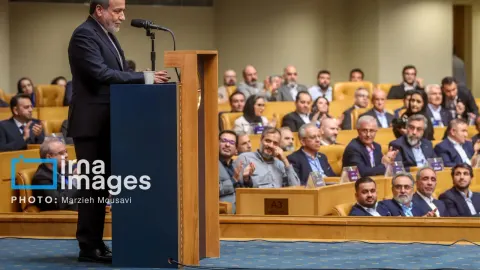
What this means for the average household is a continued squeeze on purchasing power. With the USD at 178,200, the cost of imported goods—already limited by sanctions—will likely see another round of price hikes in the coming week. The market is currently in a 'wait-and-see' mode, eyes fixed on the May 14 markup of the US CLARITY Act, which could redefine the crypto landscape, and the elusive Iranian response to Rubio’s ceasefire proposal. Until a definitive 'yes' or 'no' comes from the Supreme National Security Council, the bazaar will remain on edge, favoring gold and stablecoins over the volatile Toman.
Frequently Asked Questions
Why is Trump firing the FDA commissioner?
What was 'Project Freedom' in the Strait of Hormuz?
How has the Tehran market reacted to the failed ceasefire talks?
What is the status of the regional tourism industry?
Geopolitical Risk and Currency Valuation: The Case of the Strait of Hormuz and the Iranian Toman
Currency valuation is a complex interplay of economic fundamentals, market sentiment, and geopolitical realities. A nation's currency value, typically expressed against a major international currency like the US Dollar, reflects its economic health, trade balance, inflation rates, and investor confidence. When these factors are stable and positive, a currency tends to strengthen; conversely, uncertainty and economic distress often lead to depreciation. However, in specific geopolitical contexts, these dynamics can become highly unpredictable, creating scenarios where conventional economic logic might appear to be defied.
The Strait of Hormuz exemplifies a critical geopolitical chokepoint, a narrow waterway through which a significant portion of the world's seaborne oil supply and vast quantities of other goods pass daily. For a nation like Iran, bordering this strategic strait, any perceived threat to its navigability or any military "stalemate" in the region immediately injects immense geopolitical risk into global markets. Such tensions can disrupt oil supplies, drive up global energy prices, and impact international trade routes, creating ripples across the global economy and directly affecting the economic outlook of countries in the region.
For Iran, already navigating a complex web of international sanctions, the impact of such geopolitical tensions on its currency, the Toman (or Rial), is particularly acute. Sanctions severely restrict Iran's access to international financial markets and its ability to export oil and other goods freely, inherently weakening its currency by limiting foreign exchange inflows. A stalemate in the Strait of Hormuz, while potentially threatening global trade, could paradoxically lead to speculative "gains" for the Toman in certain scenarios. This might occur if it signals an expectation of higher global oil prices (benefiting Iran's primary export despite sanctions), or if it's interpreted as a shift in regional power dynamics that could open new, albeit unofficial, trade channels or alter internal economic policies.
Ultimately, the apparent "gaining ground" of the Toman amidst a Hormuz stalemate highlights the intricate and often counter-intuitive ways geopolitical events, coupled with existing economic pressures like sanctions, can influence currency markets. It underscores that currency values are not solely determined by traditional economic indicators but are also highly sensitive to shifts in political power, regional stability, and the complex expectations of how these shifts will impact a nation's ability to generate wealth and manage its financial system, especially under duress.
Topics
Related Articles