Hormuz Ceasefire Under Fire: Iran Accuses US of Naval Violations as Toman Edges Higher
نقض آتشبس در هرمز؛ شکایت ایران به سازمان ملل و نوسان جزئی در بازار ارز
Iran has formally denounced the United States at the UN for violating the April 8 ceasefire through strikes on oil tankers and coastal sites near the Strait of Hormuz. Meanwhile, the Tehran market remains on edge as USD prices see a slight uptick and gold coins gain momentum.
At time of publishing
USD
176,800
Toman
Gold 18K
20.19M
Toman / gram
Bitcoin
$80,300
US Dollar
Tether
17,817.9
Toman
Naval Tensions Threaten Fragile April Ceasefire
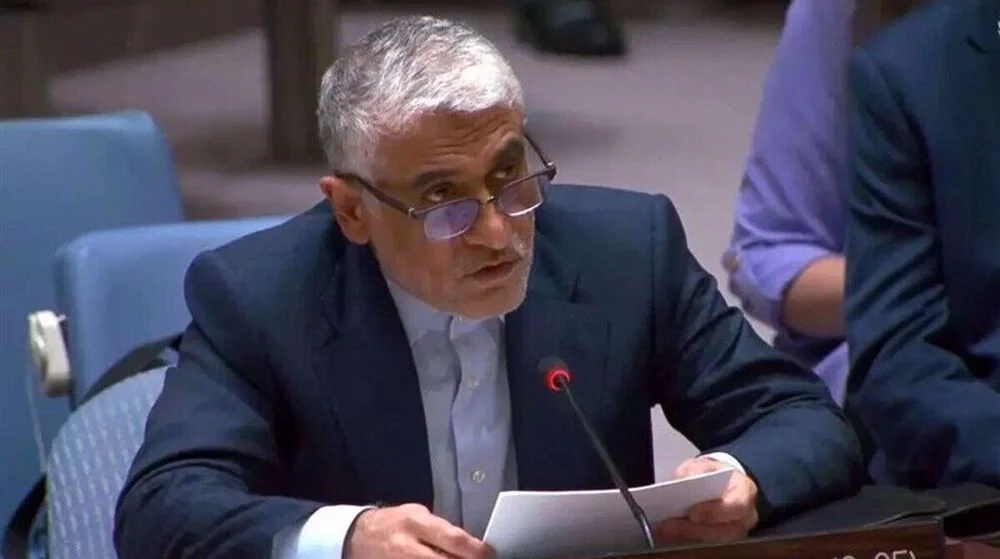
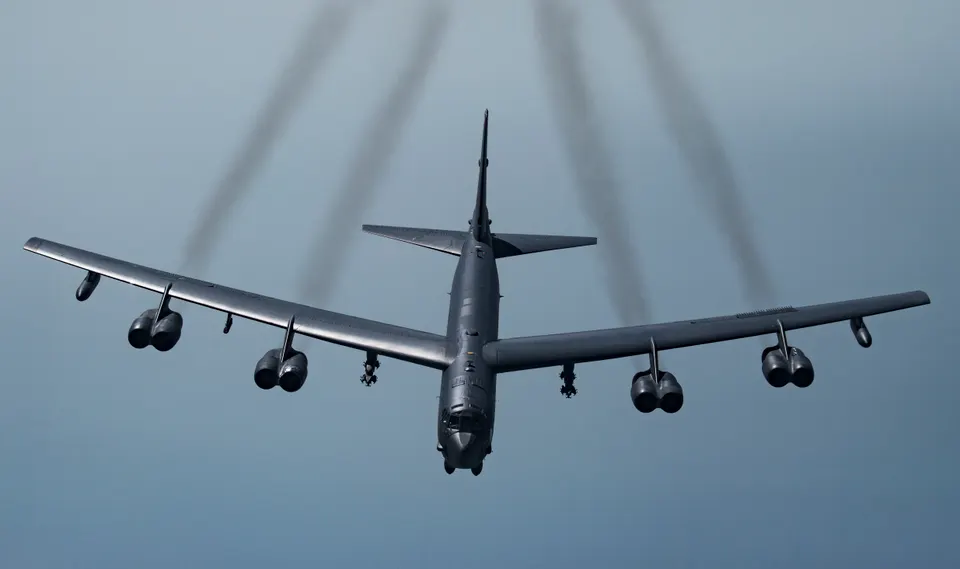
The geopolitical landscape in the Persian Gulf has taken a sharp turn toward instability as Iran formally accused the United States of violating the critical April 8 ceasefire agreement. Iran’s ambassador to the United Nations reported that recent military actions against two Iranian oil tankers near the Strait of Hormuz, along with strikes on coastal installations, constitute a 'reckless military adventure' by Washington. These accusations, echoed by Foreign Minister Abbas Araghchi, suggest that the U.S. is intentionally disrupting diplomatic pathways whenever a resolution seems within reach.
For the average Iranian citizen and investor, this escalation is more than just a headline; it is a direct driver of market sentiment. The proximity of these attacks to the world's most vital oil transit point has immediately translated into a cautious atmosphere in the Tehran exchange. While the market has not entered a full-scale panic, the constant friction ensures that the 'war risk premium' remains embedded in every transaction, preventing any significant cooling of the currency exchange rates in the near term.
Market Reaction: Toman and Gold Coin on the Move
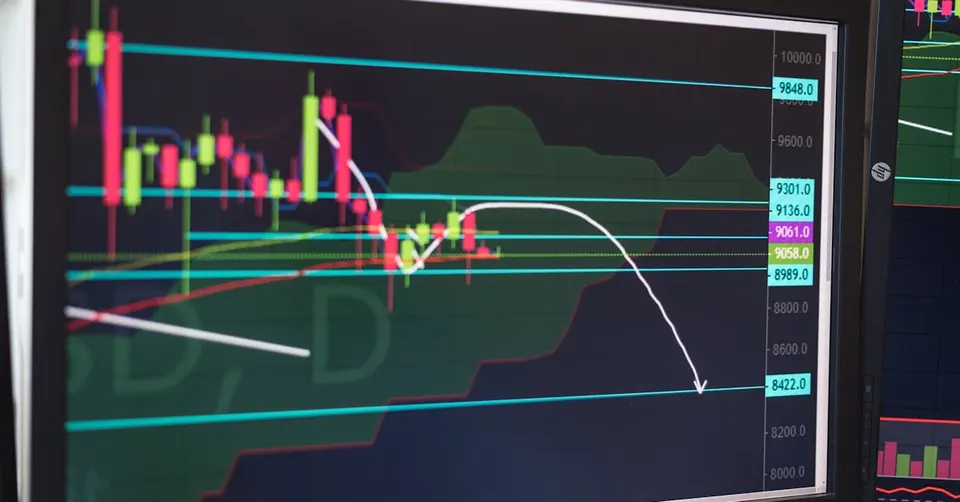
Following the news of the naval friction, the domestic currency market showed immediate, albeit measured, sensitivity. The USD/IRR rate moved from 176,700 to 176,800, representing a 0.1% increase in the last 24 hours. While the percentage change is small, the psychological floor of the 175,000 range seems increasingly solid. Traders are closely watching the UN’s response to Iran's complaint, as any further escalation could push the greenback toward new resistance levels.
The gold market provided a more pronounced reaction to the regional instability. The Emami gold coin rose from 195,000,000 to 197,000,000 Toman, marking a 1.0% jump. This move highlights a flight to safety among local investors who view physical gold as a hedge against potential military escalations. Globally, gold remains strong at $4,715.70 per ounce, breaking above key technical trend lines as international markets also weigh the risks of prolonged Middle Eastern disruption against a backdrop of shifting U.S. monetary policy.
The Netanyahu-Trump Rift and Regional Realignment
In a surprising twist to the regional diplomatic puzzle, reports are surfacing of growing friction within the Netanyahu-Trump alliance. Despite Israeli Prime Minister Benjamin Netanyahu’s public insistence on 'full coordination' with the White House, domestic Israeli sources and international observers suggest that Washington has begun sidelining the Israeli leadership. Rumors of Pakistani-brokered peace talks, which reportedly exclude direct Israeli consultation, have fueled speculation that the Trump administration is seeking a grand bargain that might not align perfectly with Netanyahu’s security red lines.
This emerging gap between the two allies could provide Iran with a strategic window, but it also adds a layer of unpredictability to the regional security architecture. If the U.S. is indeed pursuing a more independent diplomatic path, the pressure on the Iranian economy through sanctions could either pivot toward a deal or harden into a more isolated confrontation. For now, the memorial services for figures like Ali Larijani in Tehran serve as a reminder of the high stakes involved, as the domestic political establishment prepares for a long-term standoff with what they term 'the US-Israeli enemy.'
Energy Security and the Global Crypto Outlook
While the Middle East remains volatile, other global actors are moving to secure their energy futures. Norway has recently doubled down on its oil and gas production, with Energy Minister Terje Aasland stating that the country has a 'responsibility' to meet European shortfalls caused by the wars in Ukraine and the Middle East. This increase in non-OPEC supply could eventually act as a ceiling for global oil prices, which in turn affects the revenue projections for the Iranian budget and the strength of the Toman.
In the digital asset space, Bitcoin continues to hold steady above the $80,300 mark. Despite some profit-taking noted by analysts at CryptoQuant, the sentiment remains bullish as the U.S. moves closer to legislative clarity with the CLARITY Act. For Iranian crypto users, the stability of Bitcoin provides a secondary layer of wealth preservation, though the 24-hour delta shows a market that is currently catching its breath before the next major move. The appointment of a new Fed chair and the potential for a weaker dollar index (DXY) remain the primary catalysts that local traders are watching to determine the next leg of the crypto rally.
Frequently Asked Questions
What specific ceasefire did Iran accuse the US of violating?
Why did the Emami gold coin rise by 1.0% today?
Is Bitcoin still considered a stable investment for Iranians during these tensions?
How is the Netanyahu-Trump relationship affecting Iranian markets?
Why the Strait of Hormuz Is a Global Economic Chokepoint
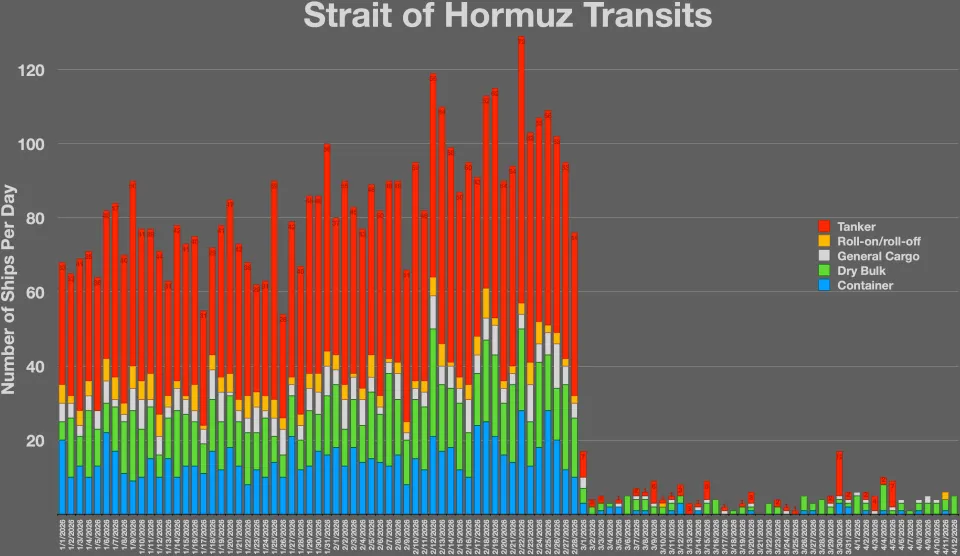
The Strait of Hormuz is a narrow waterway that connects the Persian Gulf with the Gulf of Oman and the open ocean. At its narrowest point it is only about 21 nautical miles wide, making it one of the world’s most constrained maritime passages. Roughly 20% of global oil consumption passes through this corridor each day, along with significant volumes of liquefied natural gas and petrochemical products.
Because the strait sits between Iran and the United Arab Emirates, any geopolitical tension in the region instantly becomes a risk to the flow of energy supplies. Iran’s strategic doctrine treats control of the strait as a lever to pressure oil‑importing nations, while the United States maintains a naval presence to ensure freedom of navigation. Episodes of “naval violations” or threats of closure, such as the recent accusations between Tehran and Washington, can trigger sharp spikes in oil prices and ripple through currency markets, including the Iranian rial and even the price of cryptocurrencies used to evade sanctions.
The economic stakes are enormous. A temporary shutdown would force tankers to reroute around the Cape of Good Hope, adding up to 10,000 miles to a voyage and costing an extra $1‑2 million per shipment. This price shock feeds into global inflation, influences the USD/IRR exchange rate, and can make alternative stores of value—like Bitcoin or locally issued digital coins such as the Emami coin—more attractive to Iranian investors seeking to preserve wealth.
Historically, the strait has been a flashpoint during the Iran‑Iraq war, the 1990‑91 Gulf War, and more recently in 2019‑2021 when Iran threatened to block it in response to sanctions. Each episode underscores how a geographic pinch point can become a lever of economic warfare, linking regional security directly to worldwide market stability.
Monitoring developments in the Strait of Hormuz is therefore essential for anyone tracking oil markets, emerging market currencies, or the broader dynamics of sanctions‑driven financial innovation. Even a brief escalation can reshape commodity prices, affect central bank policy, and shift investor sentiment across asset classes.
Topics
Related Articles