Iran Delivers Response to U.S. Peace Proposal via Pakistan as USD Dips to 176,200 Toman
پاسخ مکتوب ایران به طرح صلح آمریکا؛ ریزش قیمت دلار و سکه در بازار تهران
Tehran has submitted its formal response to a U.S.-led proposal for a 30-day ceasefire and the reopening of the Strait of Hormuz. While diplomatic channels through Islamabad heat up, the Iranian market reacted with a slight cooling of currency and gold prices.
At time of publishing
USD
176,200
Toman
Gold 18K
20.11M
Toman / gram
Bitcoin
$81,196
US Dollar
Tether
17,640
Toman
The Diplomatic Pivot: Iran Responds via Pakistan
In a significant escalation of diplomatic activity, Iran has officially delivered its response to the latest United States proposal aimed at de-escalating regional tensions. Prime Minister Shehbaz Sharif of Pakistan confirmed today that Islamabad has received the communiqué and is actively mediating to ensure a lasting peace. The core of the current negotiations revolves around a proposed 30-day ceasefire extension and the critical reopening of the Strait of Hormuz to commercial traffic. Tehran’s response is said to focus heavily on securing ironclad guarantees against future military aggressions and ensuring that any cessation of hostilities leads to permanent stability rather than a temporary pause.
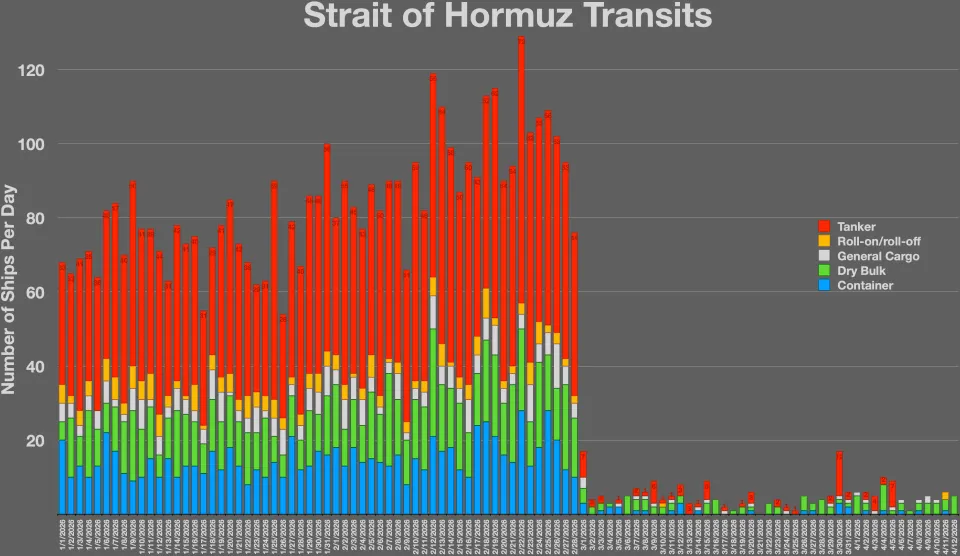
The involvement of Pakistan as a primary intermediary underscores the complexity of the current geopolitical landscape. For Iranian citizens and investors, this development is the primary driver of market sentiment tonight. The prospect of a reopened Strait of Hormuz—the world's most vital oil chokepoint—has already begun to ease the risk premium that has been baked into the Rial for weeks. If a deal is struck, it could signal a major shift in the sanctions regime and a potential influx of foreign currency, which explains the immediate, albeit cautious, correction in the open market rates.
Market Reaction: USD and Gold Retreat as Diplomacy Takes Center Stage
The domestic market in Tehran reacted swiftly to the news of the formal response. The US Dollar, which had been testing higher resistance levels, saw a 0.4% decline over the last 24 hours, moving from 176,900 to 176,200 Toman. This downward pressure was mirrored in the gold sector, where 18-karat gold fell from 20,192,067 to 20,112,424 Toman per gram, also a 0.4% drop. Even the prestigious Emami gold coin felt the shift, dropping 0.5% to settle at 194,500,000 Toman. These movements suggest that traders are pricing in a 'de-escalation premium,' betting that the diplomatic channel through Pakistan might finally yield a breakthrough.
However, analysts warn that this volatility is a double-edged sword. While the slight dip provides temporary relief for those holding Rial-denominated assets, the market remains on a knife-edge. The underlying demand for hard currency remains high due to long-term inflationary expectations, and any sign of a breakdown in the U.S.-Iran talks could see these gains erased in a matter of hours. For now, the 'wait-and-see' approach dominates the Ferdowsi Street exchanges, with trading volumes thinning out as everyone looks toward the next official statement from the Foreign Ministry.
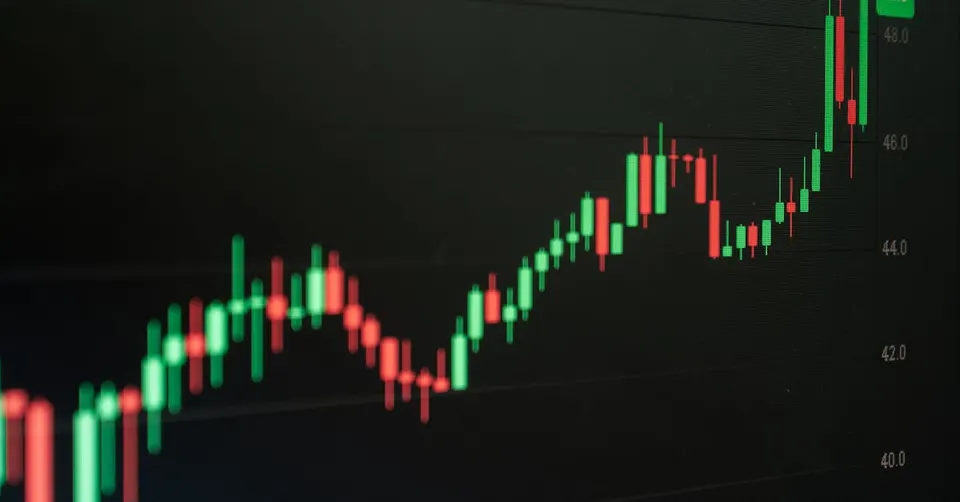
Global Tech Momentum: NVIDIA’s Unstoppable Rise in 2026
While the Middle East focuses on diplomacy, the global financial narrative continues to be dominated by the sheer momentum of Artificial Intelligence, specifically the meteoric rise of NVIDIA. In the second quarter of 2026, NVIDIA (NVDA) has solidified its position as an 'unstoppable' stock, driven by the massive deployment of autonomous agentic systems across the enterprise sector. As highlighted in recent market analysis, the shift from basic LLMs to 'Agentic Commerce'—where AI agents conduct transactions autonomously—has created a secondary surge in demand for high-performance chips that few saw coming even a year ago.
This tech-driven bull market has provided a massive tailwind for Bitcoin, which is currently holding steady at $81,196. Despite fears of a weekend dip, the premier cryptocurrency has managed to stay above the psychological $80,000 barrier. For Iranian tech investors and crypto enthusiasts, the divergence between the cooling local market and the heating global tech sector presents a unique opportunity. As open payment protocols and multi-party crypto custody become the standard for global commerce, the 'crypto rails' mentioned by PayPal and Google executives are becoming more relevant than ever for circumventing traditional banking hurdles.
Political Turmoil in London and a Global Health Alert
Across the Atlantic, the United Kingdom is facing a deepening political crisis that could have ripple effects on European trade policy. Pressure is mounting on Prime Minister Keir Starmer following a series of internal Labour Party disputes, with high-profile figures like Angela Rayner openly criticizing the leadership's recent tactical decisions. The call for Andy Burnham’s return to a central parliamentary role is being framed as a 'last chance' for Starmer to save his premiership. This instability in the UK, traditionally a key diplomatic player in Iran-related negotiations, adds a layer of unpredictability to the European side of the nuclear and regional security files.
Simultaneously, a health crisis is unfolding as the CDC begins the repatriation of 17 Americans from the Hantavirus-stricken cruise ship M/V Hondius. The vessel, which docked in Tenerife, has become a symbol of the lingering risks in global travel and logistics. While the passengers are being moved to a specialized quarantine facility in Nebraska for observation, the event serves as a reminder of how quickly non-economic factors—like a localized virus outbreak—can disrupt international transit and tourism. For global markets, these overlapping stories of political frailty and biological risk act as a constant reminder that the post-2025 recovery remains fragile and subject to sudden shocks.
Frequently Asked Questions
What are the key terms of the proposed U.S.-Iran peace plan?
Why did the price of USD and Gold drop in Tehran today?
Is Bitcoin expected to drop below $80,000 soon?
What is the 'Hantavirus' situation mentioned in the news?
The Interplay of Geopolitics and Currency Exchange Rates
The news headline highlights a crucial economic principle: how geopolitical events directly influence a nation's currency exchange rate. When Iran delivers a response to a U.S. peace proposal, and the U.S. Dollar (USD) subsequently dips against the Iranian Toman (IRR), it's not a coincidence. This illustrates how shifts in international relations, particularly towards de-escalation or potential peace, can significantly impact economic confidence and, by extension, the value of currencies.
Currency exchange rates are essentially the price of one country's currency in terms of another. These prices are highly sensitive to a multitude of factors, including economic fundamentals, interest rates, inflation, and market sentiment. However, geopolitical stability or instability often acts as a powerful underlying current, dictating investor confidence and capital flows. A period of heightened tension or conflict typically leads to capital flight and a weakening of the affected currency, as investors seek safer havens. Conversely, prospects of peace, diplomatic breakthroughs, or reduced regional risks can inject optimism, attracting investment and strengthening the local currency.
In the context of Iran, a peace proposal or signs of de-escalation with the U.S. could lead to expectations of reduced sanctions, increased trade opportunities, and greater economic stability. Such positive developments would likely reduce the perceived risk of investing in or trading with Iran, thereby increasing demand for the Iranian Toman and causing it to appreciate against major currencies like the USD. The mention of the Strait of Hormuz is also critical; its status as a vital oil shipping lane means any geopolitical shift affecting it has global economic repercussions, directly influencing risk assessments for the entire region.
This phenomenon is not unique to Iran; it's a universal principle in international finance. From trade wars impacting the Yuan to political crises affecting the Euro, global events constantly reshape the economic landscape. Understanding this connection is vital for anyone trying to interpret market movements, as currency values often serve as a real-time barometer of geopolitical sentiment and economic outlook.
Topics
Related Articles