Tehran Responds to US Peace Proposal as World Champion Dedicates Gold to Minab Students
پاسخ تهران به پیشنهاد صلح آمریکا همزمان با اهدای مدال طلای قهرمان جهان به دانشآموزان میناب
Iran has officially submitted its response to a 14-point US peace proposal via Pakistani mediators, while national pride swells as the world's strongest junior weightlifter dedicates his gold medals to victims of recent regional strikes.
At time of publishing
USD
176,500
Toman
Gold 18K
20.15M
Toman / gram
Bitcoin
$80,968
US Dollar
Tether
17,656.5
Toman
National Pride and the Memory of Minab
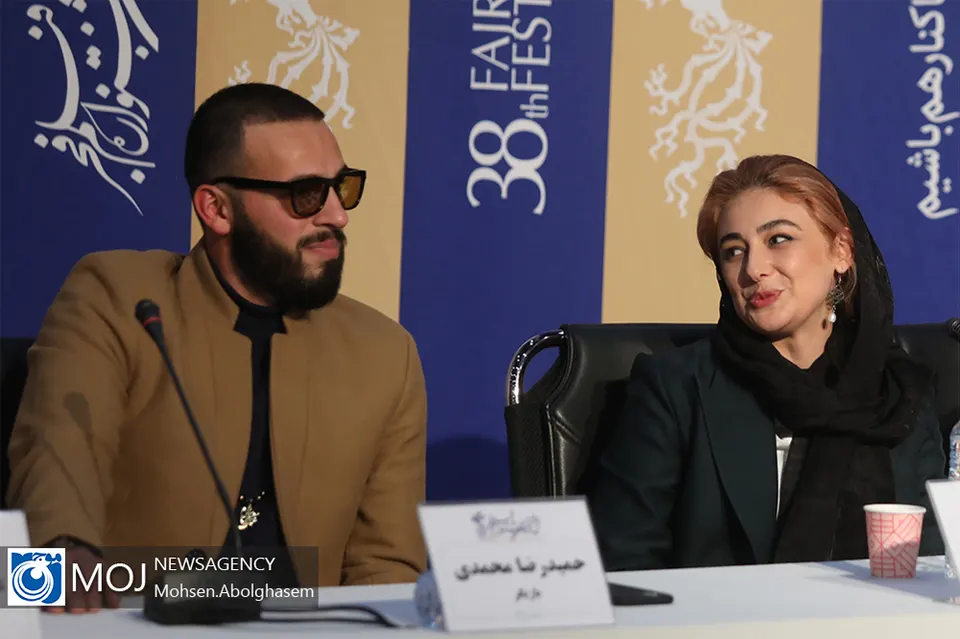
In a moment that has resonated deeply across Iran, Hamidreza Mohammadi, recently crowned the world’s strongest junior weightlifter, has dedicated his three gold medals from the World Junior Weightlifting Championships to the 168 school students of Minab. These students tragically lost their lives in a missile attack during the recent period of heightened US-Israeli aggression against Iran. Mohammadi’s gesture at the podium has transformed a sporting achievement into a symbol of national mourning and resilience, capturing the attention of the public at a time when the psychological scars of recent conflicts are still fresh. This dedication serves as more than just a tribute; it reinforces the domestic narrative of endurance against external pressure. For many Iranians, the intersection of athletic excellence and national tragedy provides a sense of collective identity. The news has dominated local media, shifting the focus from purely economic anxieties toward a narrative of cultural and physical strength. As the country navigates complex diplomatic waters, such moments of national unity are crucial for maintaining public morale amidst fluctuating market conditions and regional uncertainty.
Diplomacy at a Crossroads: The 14-Point Proposal
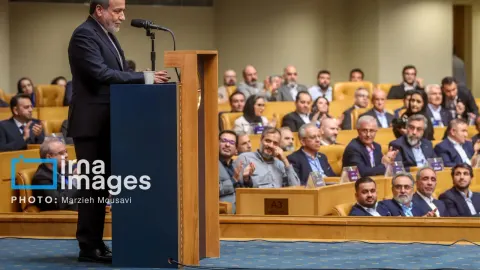
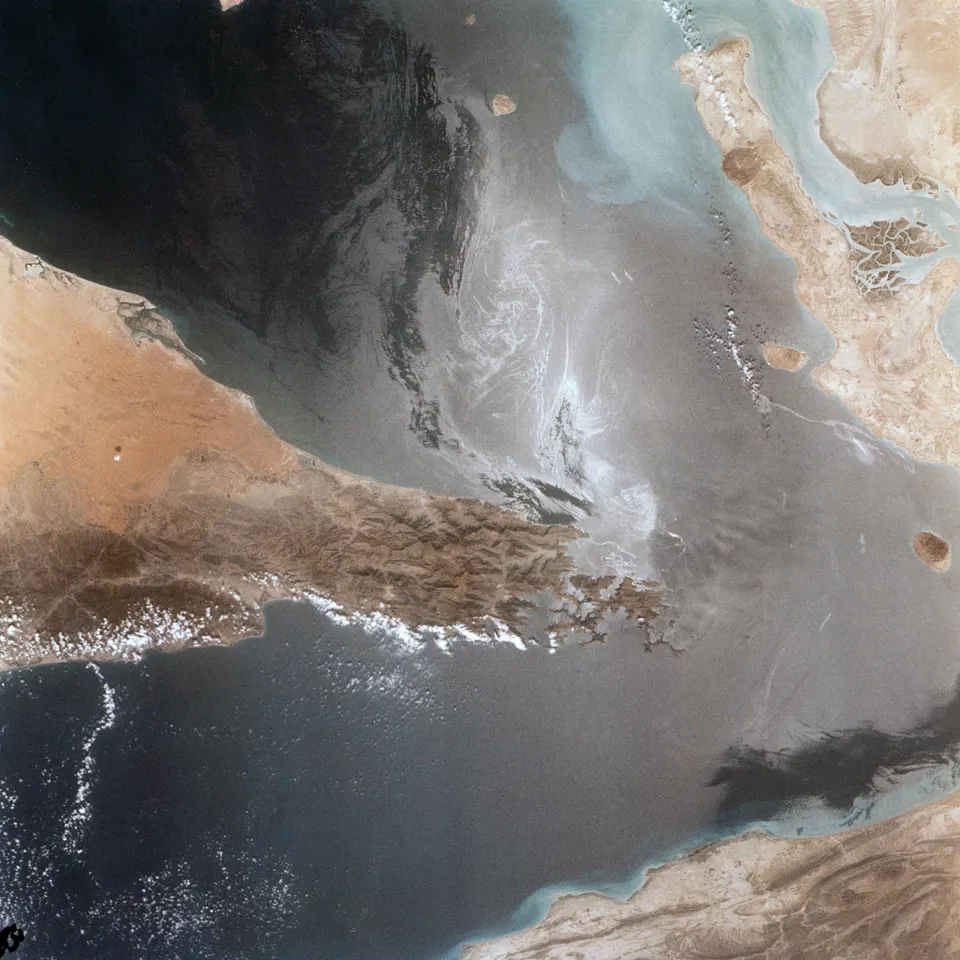
On the diplomatic front, Tehran has confirmed it has delivered a formal response to a United States peace proposal. The document, reportedly a one-page memorandum of understanding consisting of 14 points, was transmitted through Pakistani mediators. The proposal aims to establish a framework for reopening the Strait of Hormuz and resuming discussions regarding Iran’s nuclear program. This development comes at a critical juncture, as reported drone strikes in Iraq, Kuwait, and the UAE have threatened to unravel a month-old ceasefire. The move toward a written response suggests that despite the military friction, both sides are still seeking a de-escalation path to avoid a total regional collapse. However, the rhetoric from Tehran remains firm. Deputy Parliament Speaker Ali Nikzad recently emphasized that the "era of dictation is over," asserting that military operations will not be the mechanism that reopens the Strait of Hormuz. This stance indicates that while Iran is willing to engage with the US proposal, it will not do so under the threat of force. For the global economy, the reopening of the Strait is a primary concern, as any prolonged blockade significantly inflates oil transit costs and global energy prices. The markets are watching these negotiations closely, as a successful deal could lead to a massive relief rally in the Iranian Toman and a stabilization of regional oil flows.
Market Reaction: USD Dips While Global Tech Eyes Recovery
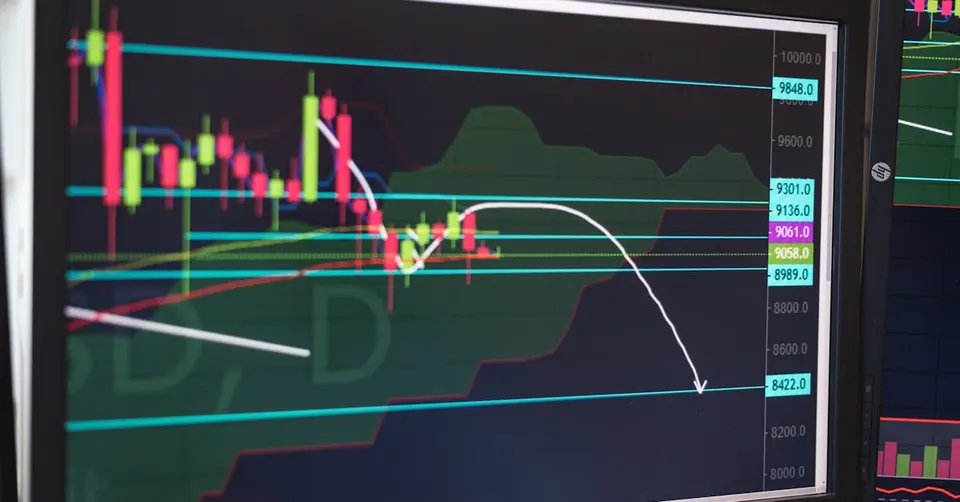
The local currency market has shown a slight cooling trend following the news of the diplomatic response. The USD/IRR exchange rate moved from 176,900 to 176,500 Toman, marking a modest 0.2% decrease. Similarly, Gold 18k per gram saw a 0.2% dip, falling from 20,192,067 to 20,146,590 Toman. The Emami coin also reflected this cautious optimism, dropping 0.5% to settle at 194,500,000 Toman. These movements suggest that traders are pricing in a lower immediate risk of military escalation, though the market remains highly sensitive to any news regarding the breakdown of the ceasefire in Lebanon or further drone activity. Globally, investors are positioning themselves for a high-stakes week. Dow Jones futures are fluctuating as the market anticipates the upcoming Trump-Xi summit, which could redefine US-China trade relations. In the tech sector, companies like Apple, Nvidia, and Boeing are reportedly entering "buy areas" as institutional investors look past recent volatility. Meanwhile, in the crypto space, Bitcoin has managed to hold the $80,968 level. While some traders anticipate a short-term dip before the next leg up, the resilience of the $80k mark suggests strong underlying support. For Iranian investors, the combination of a stabilizing Toman and a robust Bitcoin provides a complex landscape for wealth preservation as the regional geopolitical puzzle continues to evolve.
Regional Instability and the Human Cost
Despite the diplomatic overtures, the human cost of the ongoing regional friction continues to mount. In Lebanon, the mourning of eight family members, including a six-month-old infant killed in an Israeli strike, has further strained the fragile truce with Hezbollah. These escalations serve as a grim reminder that the path to peace is fraught with localized violence that can easily spark a wider conflagration. The contrast between the 14-point peace memorandum in the halls of power and the reality of drone strikes on the ground creates a volatile environment for policy-making and humanitarian efforts. This regional instability has a direct impact on the Iranian economy through the channel of "risk premiums." Every time a strike is reported in the Levant or the Persian Gulf, the cost of insuring cargo increases, and the Toman faces speculative pressure. The current situation is a race between the diplomatic process mediated by Pakistan and the military escalations that threaten to make those very talks irrelevant. For the average reader, this means that while the current 0.2% dip in the dollar is a welcome sign of stability, the underlying volatility remains high until a permanent regional security architecture is agreed upon.
Frequently Asked Questions
What are the key points of the 14-point US peace proposal?
Why did the Iranian weightlifter dedicate his medals to Minab students?
How has the Iranian Toman responded to the latest diplomatic news?
Is the Strait of Hormuz currently open for oil transit?
Understanding the Strait of Hormuz: A Global Geopolitical Chokepoint
The Strait of Hormuz is not just a narrow stretch of water; it is one of the world's most critical geopolitical chokepoints, a concept vital for understanding international relations, energy security, and the dynamics of conflict in the Middle East. A chokepoint is a geographical feature, such as a strait or canal, that funnels maritime traffic into a narrow channel, making it vulnerable to disruption. For a curious reader, grasping the significance of the Strait of Hormuz is key to comprehending why tensions between nations like Iran and the United States often escalate around this strategic waterway, and why global powers closely monitor its stability.
Its immense importance stems from its role as the primary transit route for a substantial portion of the world's seaborne oil and liquefied natural gas (LNG). Located between Oman and Iran, connecting the Persian Gulf to the Arabian Sea and beyond, the Strait sees approximately one-fifth of the world's total petroleum liquids consumption and one-third of the world's LNG pass through its waters daily. Any disruption, closure, or threat to shipping in this strait can send shockwaves through global energy markets, causing oil prices to spike and potentially triggering economic instability worldwide.
For Iran, the Strait holds particular strategic significance. It borders Iran's southern coast and is seen by some as a potential leverage point in times of heightened international pressure or conflict. Threats to close the Strait, whether explicit or implicit, are often made in response to economic sanctions or military posturing, underscoring its role as a critical element in Iran's defense and foreign policy considerations. This makes the waterway a constant flashpoint, attracting significant naval presence from various international powers, including the United States, dedicated to ensuring freedom of navigation.
The delicate balance of power and the intricate web of international law surrounding the Strait mean that any significant incident has far-reaching consequences. Understanding this vital chokepoint helps explain not only the economic vulnerabilities of the global energy supply chain but also the complex diplomatic efforts, military deterrents, and peace proposals that frequently emerge in attempts to de-escalate tensions in the region. Its continued stability remains paramount for global economic health and regional peace.
Topics
Related Articles