Trump’s Beijing Summit: Big Boeing Deals and a Sharp Warning to Iran Send Markets Reeling
پایان اجلاس پکن؛ قراردادهای میلیاردی بویینگ و اولتیماتوم جدی ترامپ به ایران در سایه نوسانات بازار
President Trump wraps up his China visit with a massive Boeing order and claims of 'settled' problems, while simultaneously threatening Iran over the Strait of Hormuz. Meanwhile, the US Senate’s progress on crypto regulation has pushed Bitcoin and altcoins higher despite growing geopolitical risks.
At time of publishing
USD
180,400
Toman
Gold 18K
20.46M
Toman / gram
Bitcoin
$80,469
US Dollar
Tether
17,937.9
Toman
The Beijing Breakthrough: Trade Wins and Strategic Silence
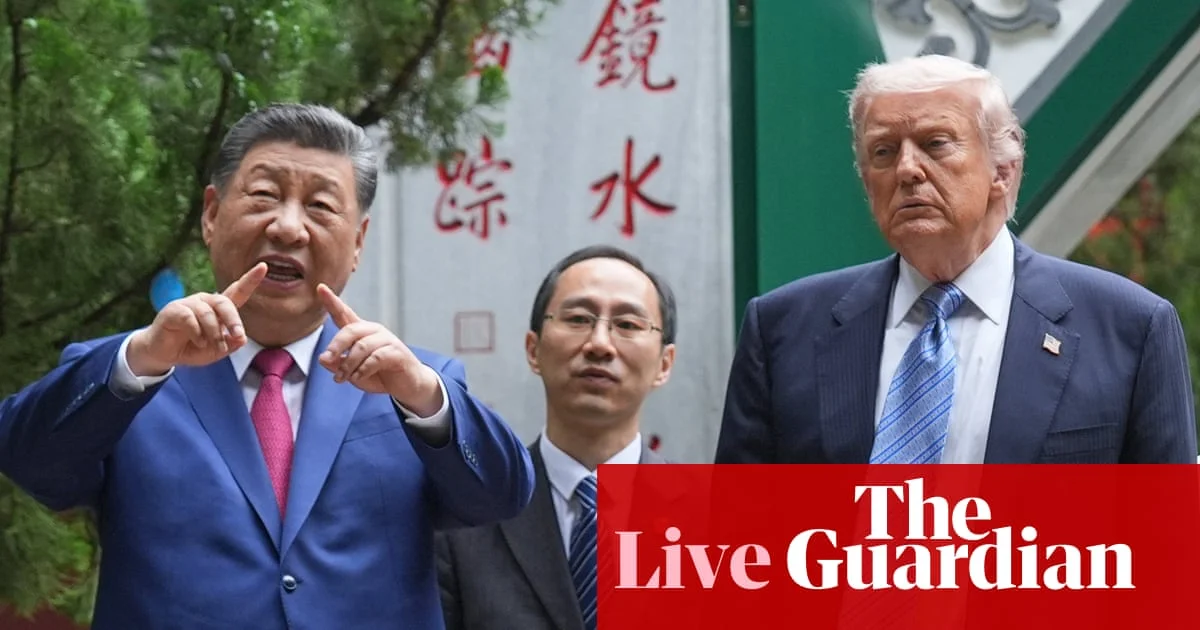
President Donald Trump has concluded his high-stakes summit with Chinese leader Xi Jinping, declaring that a significant number of long-standing bilateral problems have been 'settled.' The centerpiece of this diplomatic victory was the announcement of a major Boeing jet order from China, a move intended to rebalance the trade deficit and signal a thaw in commercial relations. Trump characterized the discussions as producing 'fantastic trade deals' for both nations, though the Chinese side remained notably more reserved. While the rhetoric from the American side was celebratory, President Xi used the opportunity to warn against 'clashes and conflicts,' particularly regarding the sensitive issue of Taiwan, suggesting that beneath the surface-level deals, deep-seated geopolitical frictions remain unresolved.
Despite the optimism surrounding the Boeing deal, the summit did not provide the breakthrough many in the tech sector had hoped for. Discussions regarding the export of advanced semiconductor chips, specifically Nvidia’s H200 models, were sidelined. U.S. Trade Representative Jamieson Greer confirmed that chip export controls were not a primary topic, leaving the high-tech standoff in a state of limbo. For Iranian observers, this summit is a double-edged sword: while it suggests a more pragmatic U.S. approach to trade with Eastern powers, it also frees up American diplomatic capital to focus more intensely on regional issues in the Middle East.

Energy Markets on Edge as Trump Loses Patience with Iran
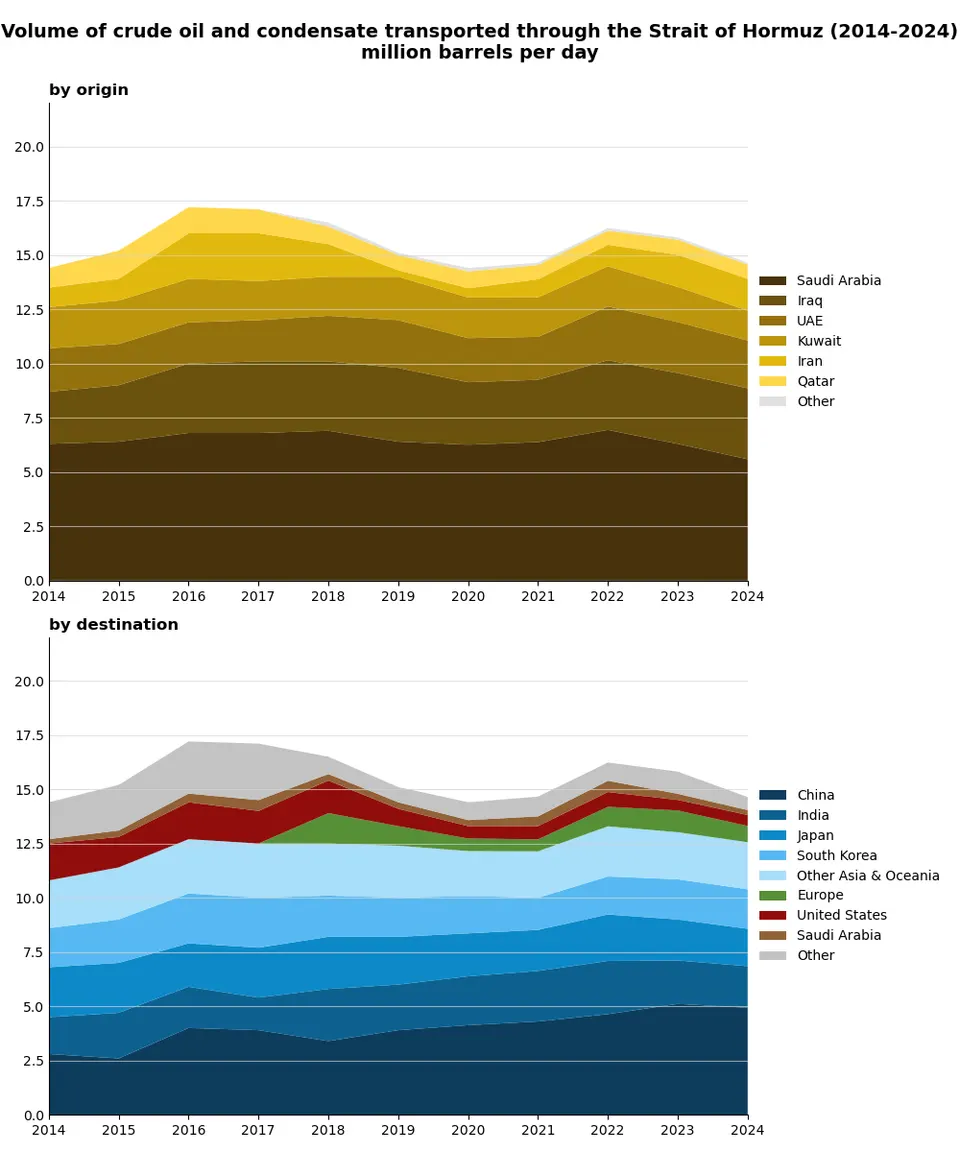
As the Beijing summit concluded, the focus shifted rapidly to energy security and the Strait of Hormuz. Brent crude oil is currently heading for a 6% weekly gain, driven largely by President Trump’s escalating rhetoric. In a recent interview, Trump stated he is 'not going to be much more patient' regarding Iran’s regional activities and its stance on maritime security. Even as Tehran reported that 30 vessels recently cleared the Strait of Hormuz without incident, the market remains unconvinced. The U.S. President’s demand for a 'new deal' has injected a fresh dose of volatility into global energy prices, with traders pricing in the risk of renewed sanctions or maritime disruptions.
For the Iranian economy, this rhetoric creates a complex environment. On one hand, higher global oil prices theoretically increase potential revenue; on the other, the threat of tightened naval controls or stricter secondary sanctions could stifle exports entirely. The stability of the Iranian Toman, which currently sits at 180,400 for USD sell (+0.0% over 24h), is being tested by these external pressures. Market participants in Tehran are closely watching whether the 'Beijing consensus' between the U.S. and China includes any private understandings regarding Iranian oil flows, which remain a vital lifeline for the domestic economy.
Crypto Defies Geopolitics: The CLARITY Act Spark
While traditional markets are grappling with geopolitical uncertainty, the cryptocurrency sector has found a new catalyst for growth. Bitcoin has surged above the $80,469 mark, and major altcoins like XRP and DOGE have seen gains of 5% following the successful passage of the Digital Asset Market Clarity Act through the Senate Banking Committee. This bipartisan 15-9 vote is seen as a watershed moment for regulatory certainty in the United States. Investors are interpreted this as a sign that the 'Wild West' era of crypto is ending, replaced by a framework that allows institutional capital to enter the market with greater confidence.
This regulatory progress has allowed the crypto market to decouple, at least temporarily, from the risk-aversion seen in other sectors. Even as Trump’s comments on the Strait of Hormuz caused a sell-off in broader risk assets, crypto majors held their ground and moved higher. For Iranian users, who often turn to stablecoins like USDT (currently at 17,938 Toman) to hedge against local currency volatility, the global shift toward institutionalizing crypto is a critical development. It suggests that digital assets will continue to serve as a vital, albeit volatile, alternative financial system regardless of the political climate in Washington or Beijing.

The Silicon Valley Civil War: Musk vs. Altman
Away from the diplomatic halls of Beijing, a different kind of power struggle is unfolding in a California courtroom. The ongoing trial between Elon Musk and Sam Altman’s OpenAI has exposed what many are calling the 'seedy side' of the tech industry. As the jury deliberates, the proceedings have revealed internal emails and testimony that paint a picture of intense personal rivalries and shifting ethical goalposts. What began as a non-profit mission to save humanity from AI has, according to the evidence presented, evolved into a race for corporate dominance and multi-billion-dollar valuations.
This trial matters because it will likely define the legal boundaries of 'open source' in the age of artificial intelligence. If Musk succeeds in proving that OpenAI abandoned its original mission for profit, it could set a precedent that forces other AI giants to be more transparent with their research. For a global audience, including the growing tech community in Iran, the outcome of this trial will determine who controls the most powerful technology of the 21st century. It highlights a fundamental tension: can the world’s most transformative technology be safely developed within the confines of traditional corporate structures, or does it require a new model of global governance?
Frequently Asked Questions
How did the Trump-Xi summit affect the Iranian Toman?
What is the CLARITY Act and why did it move crypto prices?
Why is Boeing winning in China while Nvidia is struggling?
Understanding U.S. Secondary Sanctions on Iran and the Strategic Role of the Strait of Hormuz
The United States employs secondary sanctions to deter non‑U.S. entities from facilitating Iran’s oil exports. Unlike primary sanctions, which directly prohibit U.S. persons and companies from dealing with designated targets, secondary sanctions threaten to cut off foreign firms from the U.S. financial system if they engage in prohibited activities. This tool expands the reach of U.S. policy beyond its borders, making it costly for banks, insurers, and shipping companies worldwide to support Iran’s oil trade.
The Strait of Hormuz, a narrow 21‑mile waterway between Oman and Iran, channels roughly 20% of global petroleum shipments. Because a large share of Iran’s crude must pass through this chokepoint, any curtailment of Iranian shipments—whether through sanctions, naval incidents, or voluntary reductions—can tighten global supply and push oil prices higher. Traders closely watch the strait for signs of congestion or conflict, as even brief disruptions can reverberate through futures markets and affect the price of gasoline everywhere.
Sanctions also ripple into currency markets. Iran’s official exchange rate for the Iranian rial (IRR) is heavily managed, but when oil revenues are blocked, the government must rely on informal channels and foreign currency inflows, often causing the rial to depreciate sharply against the U.S. dollar. A weaker rial can fuel domestic inflation, prompting some Iranians to seek alternative stores of value, such as cryptocurrencies like Bitcoin. While the CLARITY Act—a proposed U.S. bill aimed at regulating crypto‑related money‑laundering—has yet to pass, its discussion highlights how governments view digital assets as both a risk and a potential hedge in sanction‑heavy environments.
For investors, the interplay of secondary sanctions, Strait of Hormuz dynamics, and currency pressures creates a risk premium baked into oil‑related assets. When news of a new U.S. sanction wave emerges—such as during high‑profile diplomatic trips like a Trump‑China summit—oil futures can spike, and related equities (e.g., defense contractors or aircraft manufacturers like Boeing) may see heightened volatility. Understanding the mechanics of secondary sanctions helps market participants anticipate these moves and assess the broader geopolitical risk landscape.
Topics
Related Articles