Adani’s $10B 'Pardon' and the Boeing Slump: Markets React to Trump’s China Diplomacy
لغو اتهامات آدانی در آمریکا و سقوط سهام بوئینگ؛ واکنش بازارها به دیپلماسی ترامپ در پکن
US prosecutors drop fraud charges against Gautam Adani after he hires Trump’s lawyer, while Boeing stock reels from a smaller-than-expected China deal. In Tehran, the Dollar stabilizes at 180,400 Toman as global inflation prompts a return to 'all-you-can-eat' consumer tactics.
At time of publishing
USD
180,400
Toman
Gold 18K
20.46M
Toman / gram
Bitcoin
$81,359
US Dollar
Tether
17,893
Toman
The $10 Billion Immunity: Adani’s Legal Pivot
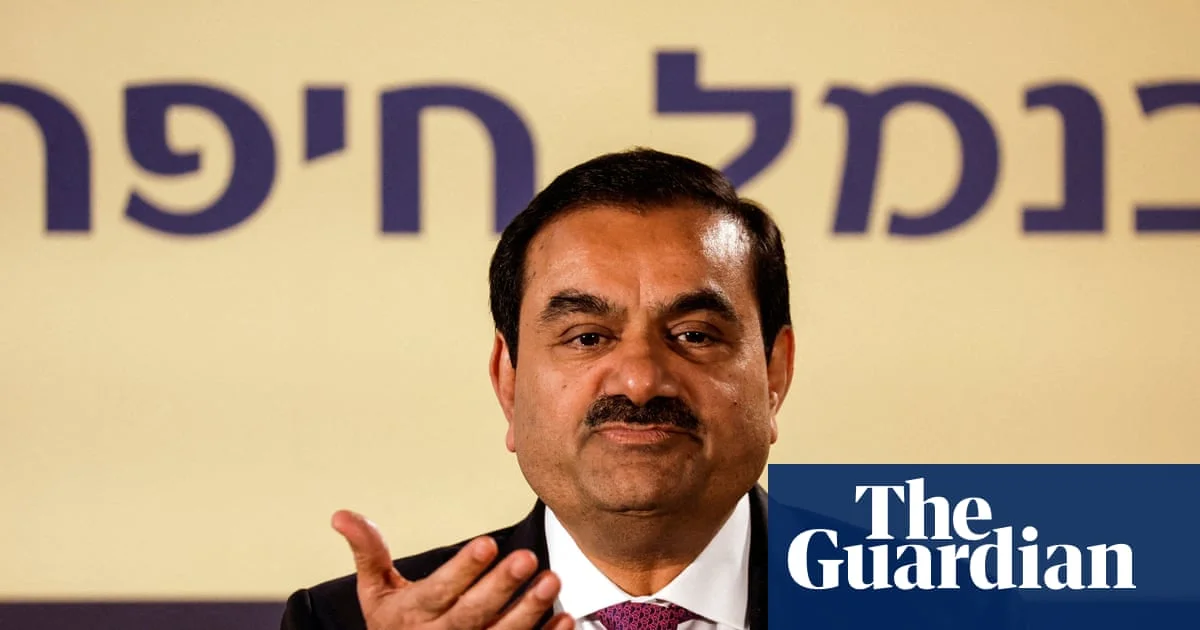
In a move that has sent shockwaves through international legal and financial circles, the U.S. Department of Justice has reportedly dropped fraud and bribery charges against Gautam Adani, Asia’s wealthiest individual. The billionaire had been accused of orchestrating a $250 million bribery scheme to secure lucrative solar energy contracts from the Indian government. However, the legal landscape shifted dramatically after Adani hired Robert J. Giuffra Jr., a personal lawyer to Donald Trump. Reports suggest that during an undisclosed meeting in April, the legal team presented a proposal where Adani would invest $10 billion into the U.S. economy, potentially creating over 15,000 jobs, in exchange for the cessation of the investigation.
This development signifies a profound shift in how the U.S. executive branch may be approaching corporate prosecution under the current administration. By prioritizing direct domestic investment and job creation over long-term judicial outcomes, the White House is signaling a 'transactional' approach to international law. Critics argue this undermines the global fight against corruption, while supporters view it as a pragmatic 'America First' victory that secures massive capital inflows. For global markets, this reinforces the idea that political alignment and direct economic contributions can now serve as a powerful shield against regulatory and legal risks in the United States.

Boeing’s China Disappointment and the Taiwan Shadow
President Trump’s high-stakes state visit to Beijing was expected to culminate in a massive 'win' for American manufacturing, specifically a rumored deal for 500 Boeing aircraft. However, the reality fell short of investor expectations, with China committing to purchase only 200 planes. This 60% shortfall caused Boeing’s stock to head for its steepest one-day fall in six months. The discrepancy highlights the growing friction between Trump’s flattering rhetoric toward Xi Jinping and China’s resolute stance on its own strategic interests. While Trump spoke in conciliatory terms, President Xi was quick to warn of 'clashes and even conflicts' regarding the Taiwan issue, which remains the primary friction point in the bilateral relationship.
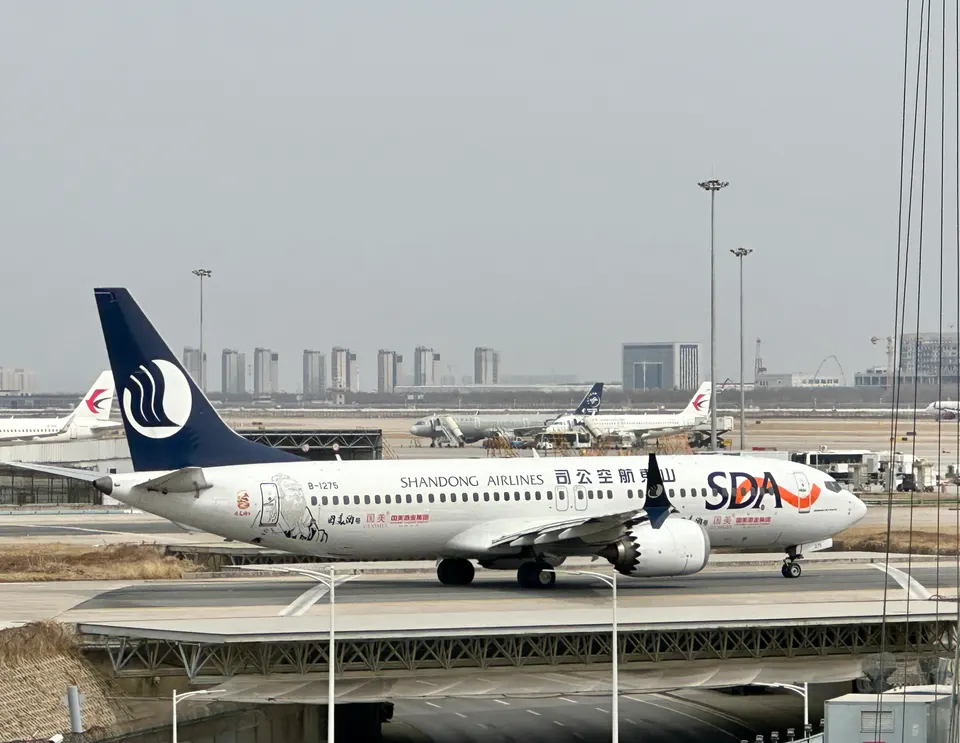
This shortfall is more than just a missed sales target; it reflects a broader struggle for U.S. companies trying to navigate the Beijing-Washington axis. China is increasingly using its massive purchasing power as a diplomatic lever, rewarding 'conciliatory' behavior with just enough business to keep the door open while withholding the larger deals that would signal a true thaw in relations. For the aerospace industry, this means that the projected post-war recovery remains fragile, and Boeing’s reliance on the Chinese market continues to be a point of significant volatility for its shareholders. The market reaction underscores that investors are no longer satisfied with diplomatic optics; they require hard, confirmed numbers to justify current valuations.
Toman Stabilizes at 180,400 Amid Global Inflation Shifts
In the Tehran market, the exchange rate has shown persistent upward pressure as the USD moved from 179,550 to 180,400 (+0.5%) over the last 24 hours. Gold prices followed suit, with 18k gold rising from 20,379,518 to 20,459,855 Toman (+0.4%) per gram. The Emami coin also saw a climb, moving from 196,000,000 to 197,000,000 Toman (+0.5%). This local depreciation is occurring against a backdrop of global inflation that is forcing even Western consumers to change their habits. In the U.S., major restaurant chains like Red Lobster and Applebee’s are reintroducing 'all-you-can-eat' deals to lure back budget-conscious diners, a clear signal that the high cost of living is beginning to erode discretionary spending worldwide.
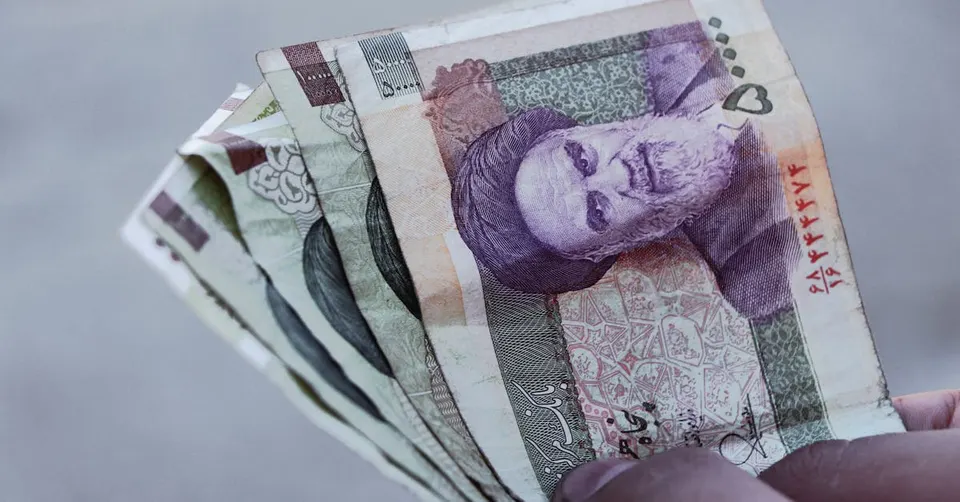
For the Iranian reader, these global trends offer a dual perspective. While the local currency continues its struggle against the 180,000 Toman psychological barrier, the global shift toward 'value' and 'bulk' consumption mirrors the survival tactics seen in the Iranian domestic market for years. Furthermore, as tech giants like Apple and Sony launch early Memorial Day sales in the U.S., the widening gap between global consumer access and Iran's sanctioned, tiered internet economy becomes more apparent. The stabilization of the USD at these record highs suggests that the market has priced in the current geopolitical tensions, but remains highly sensitive to any sudden shifts in the ongoing Trump-Xi negotiations or the status of the Strait of Hormuz.
Frequently Asked Questions
Why were the fraud charges against Gautam Adani dropped?
Why did Boeing stock drop despite the deal with China?
How did the Toman perform in the last 24 hours?
What does the return of 'all-you-can-eat' deals signify for the global economy?
The Economic Shadow of Geopolitical Risk
Geopolitical risk refers to the potential for political events, conflicts, or international tensions to disrupt global markets, supply chains, and economic stability. It encompasses a wide array of factors, from trade wars and diplomatic disputes to regional conflicts and policy shifts by major powers. Unlike traditional market risks, geopolitical risks are often unpredictable and can have far-reaching, systemic consequences, impacting everything from commodity prices and currency exchange rates to corporate valuations and investor confidence. Understanding this concept is crucial for grasping how seemingly distant political events can directly influence your investments and daily life.
Consider the interplay of diplomacy and commerce, as highlighted by the mention of a "Trump Xi Beijing summit" and a "Boeing China deal." Changes in international relations between economic giants can immediately affect market access for multinational corporations. A shift in trade policy, for instance, could open or close vast markets, directly impacting a company's revenue and stock price, as seen with Boeing's exposure to the Chinese market. Similarly, regional flashpoints like the "Strait of Hormuz oil transit" represent critical choke points in global energy supply. Any instability or threat to shipping in such areas can send oil prices soaring, trigger inflation, and ripple through economies worldwide.
Moreover, geopolitical risk isn't just about direct conflict; it also encompasses the regulatory and political environment in which businesses operate. The reference to "Gautam Adani fraud charges" and a potential "pardon" hints at the influence of political outcomes on corporate accountability and market perception. While specific legal issues are internal, the broader political climate can dictate the enforcement of regulations, investor trust, and even the survival of major enterprises. This interconnectedness means that investors and policymakers must constantly monitor the global political landscape to anticipate and mitigate potential economic fallout.
Topics
Related Articles