Trump Exits Beijing Without Iran Breakthrough; Gold Slumps 3% as Araghchi Clarifies Hormuz Policy
خروج ترامپ از چین بدون توافق بر سر ایران؛ ریزش ۳ درصدی طلا همزمان با سیگنالهای متناقض از هرمز
The high-stakes Trump-Xi summit concluded with plenty of pageantry but zero progress on Iran sanctions or regional stability. As global markets digest the deadlock, Iranian gold prices have retreated by 3%, while Foreign Minister Araghchi attempts to calm shipping nerves regarding the Strait of Hormuz.
At time of publishing
USD
180,400
Toman
Gold 18K
19.86M
Toman / gram
Bitcoin
$79,836
US Dollar
Tether
18,022.3
Toman
The Beijing Deadlock: Pageantry Over Policy
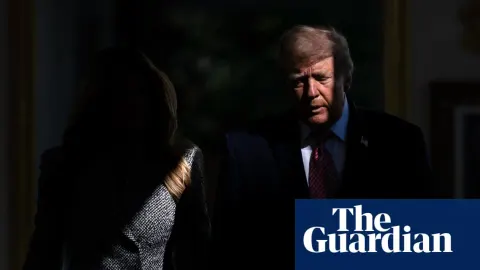
President Donald Trump has officially departed China following a two-day summit with Xi Jinping that many had hoped would provide a roadmap for de-escalating the ongoing conflict with Iran. Despite the extravagant ceremonies and carefully choreographed garden walks designed to project an image of global stability, the reality on the ground is one of strategic stagnation. Trump hailed the visit as a success, citing vague 'fantastic' deals, but the lack of concrete progress on Iran sanctions, Taiwan, or artificial intelligence regulation suggests that the two superpowers remain deeply divided. For Iranian observers, this stalemate confirms that a diplomatic 'grand bargain' remains elusive, keeping the pressure on the Toman and maintaining the current geopolitical risk premium.
The summit’s failure to deliver a breakthrough comes at a time when Trump is perceived as increasingly weakened by the prolonged economic and military friction in the Middle East. China, while welcoming the U.S. delegation with pomp, has shown little inclination to abandon its strategic partnership with Tehran or to enforce U.S.-led sanctions that conflict with its own energy security needs. This diplomatic vacuum leaves the global economy in a state of 'wait-and-see,' as the anticipated reopening of traditional trade routes remains blocked by the unresolved tensions between Washington and Tehran.

Hormuz Strategy: Friends, Enemies, and the Flow of Oil
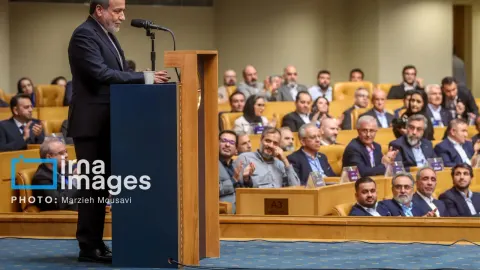
Amidst the diplomatic silence from Beijing, Iranian Foreign Minister Abbas Araghchi has stepped forward to clarify Tehran’s stance on the world’s most critical maritime chokepoint. Araghchi stated explicitly that the Strait of Hormuz remains open for business, at least for those Iran deems 'friendly.' This nuanced declaration serves as both a reassurance to regional partners like India and China and a veiled warning to Western powers. By framing the Strait's accessibility as a selective privilege rather than a universal right, Tehran is asserting its leverage over global energy markets without declaring a total blockade that could trigger a full-scale military response.
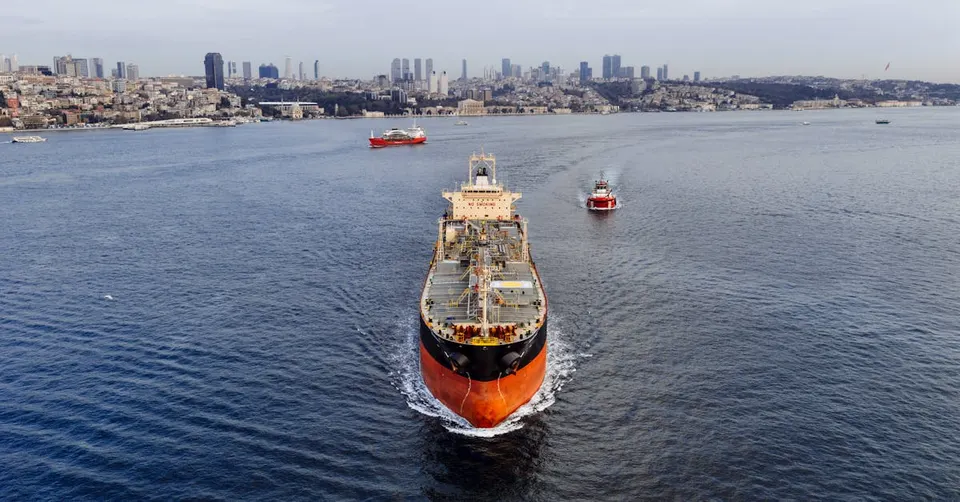
This strategic ambiguity is already having tangible effects on global shipping. Shipping routes are increasingly shifting through India and Sri Lanka as vessels seek to avoid the highest-risk zones, leading to a surge in logistics costs that will eventually hit consumer pockets. For India, the impact is already visible; the country's trade deficit jumped to over $28 billion in April as soaring energy import prices took their toll. Araghchi’s comments suggest that while Iran is not seeking to shut down global commerce entirely, it will continue to use its geographical advantage as a primary tool of economic warfare as long as sanctions remain in place.
Market Reaction: Gold Corrects as USD Holds Steady
The lack of a 'peace dividend' from the Beijing summit has triggered a notable correction in the domestic Iranian precious metals market. Gold 18k per gram saw a significant decline, moving from 20,459,855 Toman to 19,856,179 Toman, a sharp -3.0% drop within the last 24 hours. This move suggests that speculative froth is being washed out as investors realize that a quick diplomatic resolution is unlikely. Meanwhile, the US Dollar remains stubbornly flat at 180,400 Toman, indicating that while the 'panic buy' in gold has subsided, there is still no fundamental reason for the Toman to regain lost ground against the greenback.
In the broader investment landscape, Bank of America is now urging a 'barbell' approach, suggesting that investors balance high-growth tech stocks with 'materials' like gold and industrial metals. This advice stems from the ongoing geopolitical race for resources and the massive capital expenditures required for the AI revolution. For the Iranian investor, the current dip in gold prices presents a complex dilemma: is this a buying opportunity in a long-term inflationary environment, or the start of a deeper correction as global momentum shifts? With Bitcoin also stalling just below the $80,000 mark at $79,836, the entire risk-asset class seems to be catching its breath after a period of intense volatility.
Domestic Disruption and the California Mirror
While international eyes are on the Middle East, political heat is rising in unexpected places. In the United Kingdom, British Gas has been hit with a record £112 million settlement for the forced installation of prepayment meters during the energy crisis, a move that highlights the growing global intolerance for corporate overreach during economic hardship. Simultaneously, in the United States, the California primary elections are descending into a spectacle of 'billionaires and tacos,' with attack lines focusing on personal wealth and reality TV personas. While these stories may seem distant, they reflect a global trend of populist frustration with economic inequality and the cost of living.
For the Iranian public, these international domestic struggles serve as a reminder that economic pressure is a global phenomenon, albeit manifesting differently across borders. Whether it is the UK regulator, Ofgem, cracking down on energy giants or California voters debating the merits of billionaire candidates, the underlying theme is a demand for economic accountability. As Iran navigates its own path through sanctions and inflation, the shifts in Western political discourse—particularly in a critical election year—will ultimately dictate the future of the sanctions regime and the possibility of a return to the negotiating table under the 'language of respect' that Araghchi insists is the only way forward.
Frequently Asked Questions
Why did gold prices drop 3% in Iran today?
What is Iran's current official policy on the Strait of Hormuz?
Did the Trump-Xi summit result in any new sanctions on Iran?
How is the global shipping industry reacting to the Iran conflict?
Geopolitical Risk and its Impact on Global Commodity Markets
Geopolitical risk refers to the uncertainty and potential instability stemming from international political events, conflicts, or diplomatic impasses that can significantly influence global economic conditions. When headlines report a lack of diplomatic breakthroughs, such as the absence of a resolution on Iran policy, or clarify stances on critical choke points like the Strait of Hormuz, these events immediately create ripples across financial markets. Investors and businesses assess these developments for their potential to disrupt trade, supply chains, or trigger broader conflicts, leading to shifts in asset prices.
One of the most immediate barometers of geopolitical tension is the price of gold. Often referred to as a "safe-haven asset," gold typically sees increased demand during times of political and economic uncertainty. Investors flock to gold as a store of value when they perceive higher risks in traditional financial assets like stocks or bonds. Conversely, if perceived geopolitical risks diminish, or if a potential escalation is averted (even if a breakthrough isn't achieved), the demand for safe havens can decrease, leading to a fall in gold prices, as indicated by the 3% slump in the headline.
The Strait of Hormuz exemplifies a critical geopolitical flashpoint. This narrow waterway, situated between Iran and Oman, is a vital artery for global energy trade, through which roughly a fifth of the world's total oil consumption passes daily. Any threat to its stability, whether from military posturing or policy clarifications, immediately triggers concerns about global oil supply, leading to spikes in crude oil prices and, consequently, higher global shipping costs. The clarity or ambiguity of policy regarding such strategic locations directly translates into market volatility.
Ultimately, the interplay between international politics and global markets highlights the interconnectedness of our world. A diplomatic stalemate in Beijing, a statement from an Iranian official, or the perceived stability of a maritime chokepoint can swiftly alter investor sentiment, impact commodity prices like gold and oil, and influence economic forecasts worldwide. Understanding geopolitical risk is crucial for comprehending the underlying forces that drive market movements beyond conventional economic indicators.
Topics
Related Articles