World Cup Diplomacy: Iran Bypasses US via FIFA as IRGC Blames Patriot Error for Kuwait Airport Damage
دیپلماسی جام جهانی: رایزنی ایران با فیفا در میانه ادعای سپاه مبنی بر نقص فنی پاتریوت در کویت
Iran's soccer federation is coordinating directly with FIFA to secure World Cup visas amid rising regional tensions. Meanwhile, Tehran attributes recent damage at Kuwait International Airport to US missile failures while indirect messages with Washington continue.
At time of publishing
USD
174,500
Toman
Gold 18K
18.90M
Toman / gram
Bitcoin
$64,182
US Dollar
Tether
170,500
Toman
Football Diplomacy: The Race to the World Cup
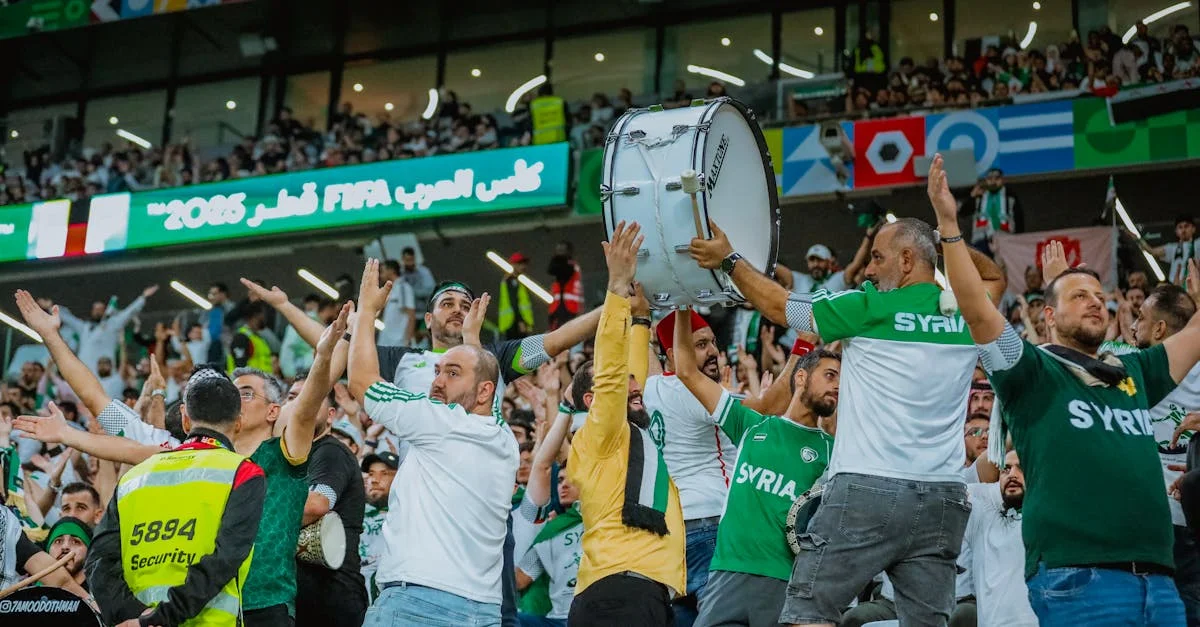
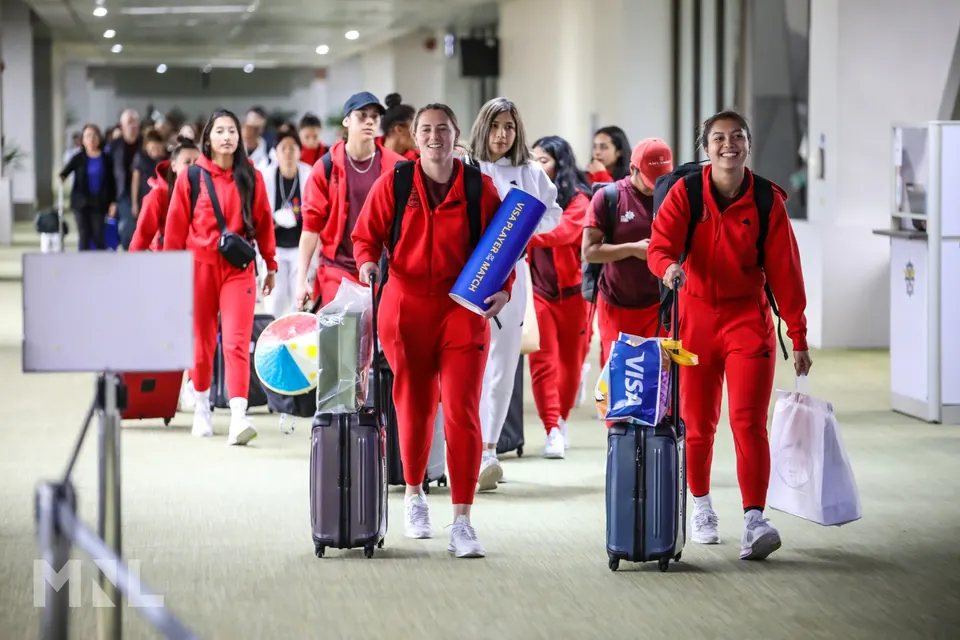
As the World Cup approaches, Mehdi Taj, the head of Iran’s football federation, has confirmed that Tehran is bypassing direct negotiations with the United States regarding visas. Instead, the federation is working through FIFA’s official channels to ensure the national team can participate in the tournament starting next week. This strategy highlights the complex intersection of sports and geopolitics, where international sporting bodies act as essential intermediaries when diplomatic relations are non-existent. For the Iranian public, the presence of the national team on the world stage is more than just a game; it is a rare moment of national cohesion and a psychological buffer against economic hardship.
The logistical hurdles are significant, given the current sanctions regime and the lack of a US embassy in Tehran. By leaning on FIFA, Iran is asserting its right to participate under international sporting law, rather than relying on bilateral goodwill. This move comes at a critical time when every international interaction is scrutinized for its potential to signal a thaw or a freeze in relations. For the players and the millions of fans at home, the success of this 'FIFA route' will determine whether Iran can showcase its talent despite the heavy cloud of regional conflict hanging over the country.
Security Narratives: The Patriot Missile Controversy
In a significant development regarding regional security, Brigadier General Hossein Mohbi, spokesperson for the Islamic Revolution Guards Corps (IRGC), has stated that recent damage to the passenger terminal at Kuwait International Airport was not the result of an Iranian strike. Instead, the IRGC claims that a malfunction in the US-made Patriot missile defense systems stationed in the region was responsible for the incident. This narrative serves to de-escalate immediate tensions by shifting the blame onto technical failure rather than intentional aggression. It allows both regional players and international observers a pathway to avoid direct military confrontation while maintaining their respective defensive postures.
Parallel to these security claims, Foreign Minister Abbas Araghchi has confirmed that indirect messaging between Tehran and Washington remains active. Although formal negotiations are not on the table, these channels are being used to manage potential flashpoints, such as preventing escalations in Lebanon. Araghchi’s emphasis on a "dignified peace" suggests that while Iran is open to de-escalation, it will not do so from a position of perceived weakness. For the Iranian markets, this mix of defensive rhetoric and back-channel diplomacy has resulted in a period of relative stability, with the USD/IRR exchange rate holding steady at 174,500 Toman (+0.0%) over the last 24 hours.
Market Volatility: Gold Rises as Crypto Bleeds
Global markets are currently navigating a "risk-off" environment, which is reflected in the divergent paths of precious metals and digital assets. In the Iranian domestic market, Gold 18k per gram rose from 18,752,481 to 18,895,378 Toman (+0.8%), tracking a global ounce price that has climbed to $4,473.10. This flight to safety is a direct response to the lingering uncertainty in the Middle East and the potential for sudden geopolitical shifts. Investors are increasingly favoring physical assets as a hedge against currency fluctuations and regional instability, even as the official Dollar rate remains flat at 174,500 Toman.
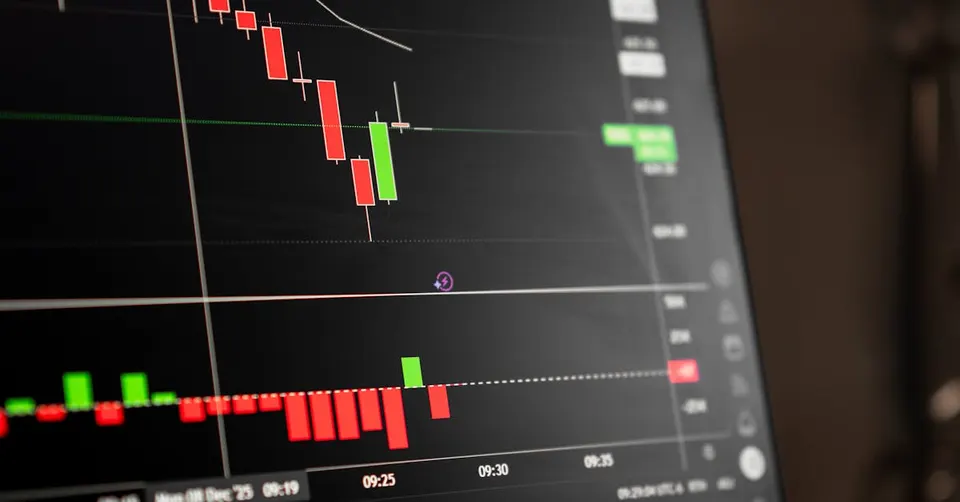
In contrast, the cryptocurrency sector is facing severe selling pressure. Bitcoin recently slid to a four-month low near $61,000 before stabilizing at the current snapshot price of $64,182. The market is reeling from massive outflows in spot ETFs, with Bitcoin, Ethereum, and Solana funds losing a combined $4.4 billion over the last 13 sessions. This exodus of institutional capital suggests a cooling of the earlier AI-and-crypto-driven euphoria. For Iranian retail investors, the USDT price of 170,500 Toman remains a key indicator of local liquidity, though the volatility in underlying assets like ETH—which dropped toward $1,750—highlights the dangers of high-leverage trading in the current climate.
Frequently Asked Questions
Why is Iran negotiating with FIFA instead of the US for World Cup visas?
What is the significance of the IRGC blaming the Patriot system for the Kuwait airport damage?
Why did gold prices rise in Iran while the USD exchange rate remained flat?
Sports Diplomacy: How International Sports Events Become Tools of Foreign Policy
When a nation’s athletes step onto the world stage, they often carry more than just a ball or a racket – they carry the weight of their country’s political ambitions. Sports diplomacy is the practice of using sporting events, teams, or athletes to influence international relations, improve a nation’s image, or open channels of communication that might be blocked by traditional diplomacy. The 2022 FIFA World Cup in Qatar, for example, gave Iran a rare opportunity to issue visas and host fans without going through the usual U.S.‑centric financial and travel restrictions, illustrating how a global tournament can become a shortcut around geopolitical roadblocks.
The mechanics of sports diplomacy are straightforward yet powerful. Host nations and participating countries negotiate visa waivers, broadcast rights, and security arrangements that often involve ministries of foreign affairs, sports federations, and even intelligence agencies. In Iran’s case, the Football Federation Islamic Republic of Iran (FFIRI) coordinated with FIFA to secure travel permits for supporters, effectively bypassing U.S. sanctions that typically choke cross‑border financial flows. This mirrors historical examples such as “Ping‑pong diplomacy” in the 1970s, when table‑tennis matches paved the way for U.S.–China rapprochement.
While the benefits can be diplomatic, the approach also carries risks. A single incident—like the reported failure of an Iranian Patriot missile that damaged Kuwait’s airport—can quickly shift the narrative from friendly competition to security tension, prompting other states to reassess their engagement. Moreover, the intertwining of sport and politics can expose athletes to propaganda pressures or force governments to weaponize victories and defeats for domestic consumption.
Understanding sports diplomacy helps explain why governments invest heavily in sporting infrastructure and why international bodies like FIFA and the International Olympic Committee (IOC) are often caught in the crossfire of geopolitics. It also highlights the dual role of sport as a bridge for dialogue and a stage for power projection, a balance that will continue to shape global politics well beyond the next World Cup.
Key take‑aways: - Sports diplomacy leverages the universal appeal of sport to open diplomatic channels. - It can circumvent sanctions or diplomatic isolation, as seen with Iran’s World Cup visa arrangements. - Incidents unrelated to sport (e.g., missile failures) can quickly politicize the arena. - Historical precedents show its lasting impact on international relations.
Further reading:
Topics
Related Articles