Fragile Ceasefire in Lebanon as Trump Eyes 'Grand Bargain' with Iran; SpaceX Targets $1.77 Trillion Valuation
آتشبس شکننده در لبنان و رویای «معامله بزرگ» ترامپ؛ سایه پهپادها بر کویت و ارزش نجومی اسپیساکس
Middle Eastern markets wake up to a tenuous ceasefire between Israel and Hezbollah, while regional tensions flare after a drone strike in Kuwait. Meanwhile, Elon Musk's SpaceX prepares for a historic $1.77 trillion market debut.
At time of publishing
USD
174,500
Toman
Gold 18K
18.75M
Toman / gram
Bitcoin
$63,963
US Dollar
Tether
170,567
Toman
Market Open — The Calm Before the Geopolitical Storm
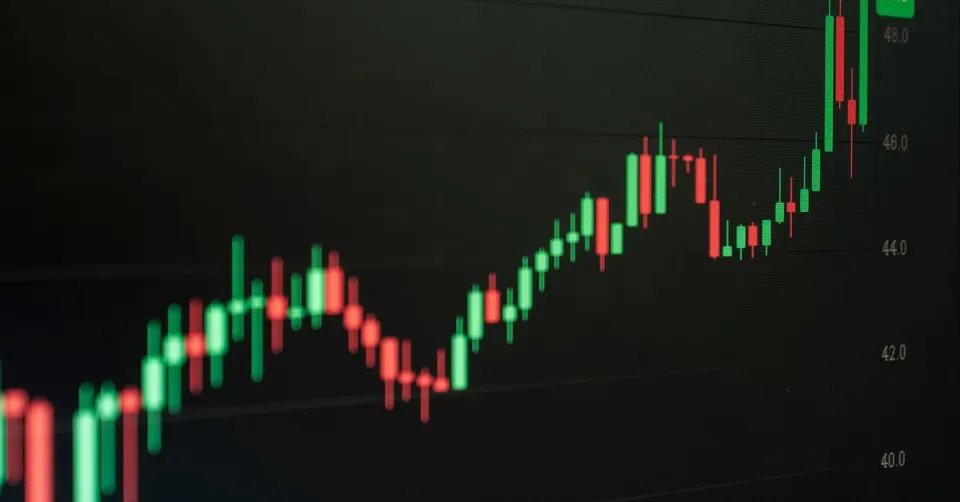
As of 09:30 Tehran time, the domestic market is holding its breath. The US Dollar (USD/IRR) is trading at 174,500 Toman, showing no change (0.0%) over the last 24 hours. This stagnation at the 174.5k level suggests a psychological tug-of-war between traders who fear further escalation and those hoping for a diplomatic breakthrough. Similarly, Gold 18k remains flat at 18,752,481 Toman per gram, reflecting the local market's hesitation despite a massive surge in global spot gold, which has reached a staggering $4,470.30 per ounce.
The crypto landscape is slightly more volatile, with Bitcoin (BTC) hovering around $63,963. While the local Toman-pegged Tether (USDT) stands at 170,567, the global crypto market is grappling with significant outflows; BTC and ETH ETFs have bled over $4.4 billion in the last 13 sessions. For the Iranian investor, this creates a complex environment where the local currency is temporarily stable, but global assets are undergoing a major re-evaluation. The lack of movement in the Emami coin, held steady at 183,500,000 Toman, further underscores this "wait and see" sentiment.
Israel and Lebanon: A Ceasefire Under the Trump Shadow
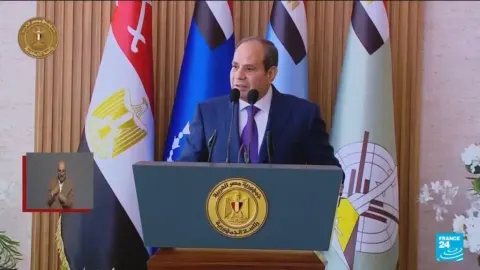
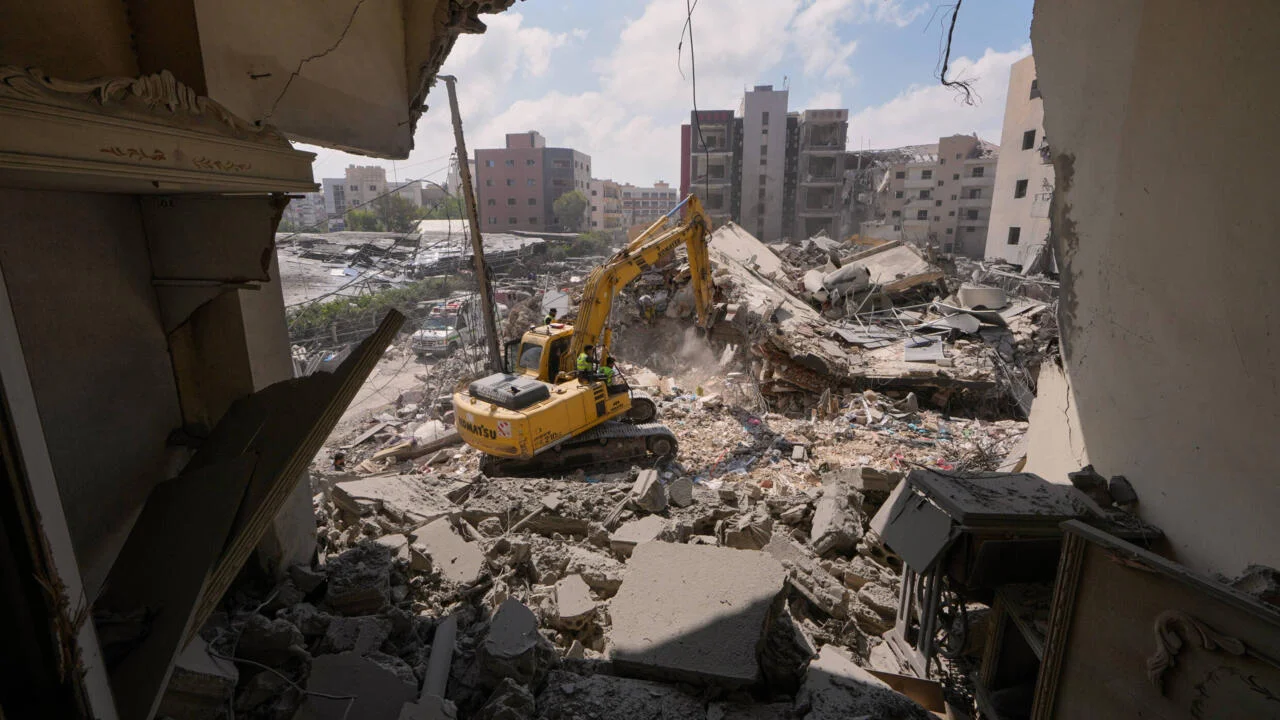
In a move that caught many by surprise overnight, Israel and Lebanon have agreed to renew a ceasefire, contingent on the Iran-backed Hezbollah group holding its fire. The deal, brokered in Washington DC, requires Hezbollah fighters to evacuate the area south of the Litani River. This development is seen as a cornerstone of the Trump administration's broader strategy to overcome barriers to a comprehensive deal with Iran. By cooling the northern front, the U.S. hopes to de-escalate the regional conflict and potentially reopen the Strait of Hormuz, which has been a major choke point for global oil markets.
However, the fragility of this peace cannot be overstated. Only hours after the announcement, air raid sirens sounded in northern Israel due to a "suspicious aerial target." While the source remains unconfirmed, it highlights the extreme volatility of the situation. For the Iranian economy, this ceasefire is a double-edged sword. On one hand, it lowers the immediate risk of a full-scale regional war, which has put downward pressure on oil prices (Brent dipped to $96.60). On the other hand, the strict conditions placed on Hezbollah and the continued presence of U.S. mediation suggest that a long-term resolution will require significant concessions from all parties involved.
Regional Friction: Kuwait Drone Strike and Araghchi’s Warning
Despite the diplomatic progress in Lebanon, the Persian Gulf remains a powder keg. New footage has emerged showing the moment an Iranian drone struck Kuwait International Airport on Wednesday, resulting in one fatality and over 60 injuries. This incident has sent shockwaves through regional security circles, as Kuwait has historically maintained a more neutral stance compared to its neighbors. The strike serves as a grim reminder that while one front may be cooling, others are actively heating up, creating a fragmented security landscape that complicates any "grand bargain" attempts.
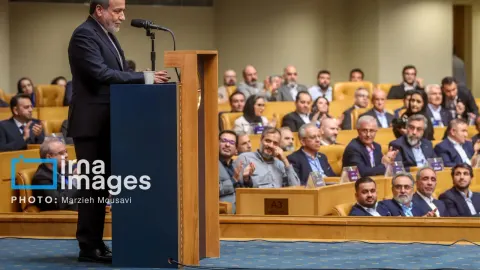
In response to the growing international pressure and reports of Arab cooperation with U.S.-Israeli military actions, Iranian Foreign Minister Abbas Araghchi issued a stern warning. He stated that any "hostile act" against the Islamic Republic would be met with an "immediate and decisive response." This rhetoric indicates that Tehran is not prepared to back down, even as diplomatic channels in Washington remain open. For market participants, this means the risk premium on the Rial remains high; any further kinetic action in the Gulf could quickly shatter the current stability of the 174,500 Toman peg.

Global Currents: SpaceX’s Trillions and Cosmic Frontiers
While the Middle East navigates the brink of war and peace, the global frontier of technology and science continues to move at a breakneck pace. Elon Musk’s SpaceX is reportedly seeking a valuation of $1.75 trillion to $1.77 trillion as it nears a potential stock market debut. With shares priced at $135, the company aims to raise $75 billion. This valuation would make SpaceX more valuable than most of the world's national economies, signaling that investors are betting heavily on the future of space exploration and satellite internet as the next great economic engine.
Beyond the markets, a global team led by Australia’s national science agency (CSIRO) has produced the largest-ever cosmic map of magnetic fields. By measuring light from nearly 4 million galaxies, scientists are beginning to illuminate one of the universe’s most mysterious forces. Meanwhile, on the social and political front, the Australian High Court has dismissed a bid by a Neo-Nazi group to avoid being designated as a hate group, and tensions between Ukraine and Russia continue to cast a shadow over the French Open semi-finals. These events remind us that the world is moving in multiple directions at once—where scientific breakthroughs and massive capital shifts coexist with deep-seated geopolitical and social conflicts.
Frequently Asked Questions
How does the Israel-Lebanon ceasefire affect the Toman exchange rate?
Why is SpaceX's $1.77 trillion valuation significant for global markets?
What was the impact of the drone strike on Kuwait's airport?
Why are crypto ETFs seeing such large outflows?
The Economic Impact of Geopolitical Risk
Geopolitical risk refers to the potential for political events and international relations to disrupt global stability, economies, and markets. These events can range from conflicts, terrorism, and regime changes to trade wars, sanctions, and diplomatic tensions. Unlike traditional economic risks, geopolitical risks are often unpredictable and can have far-reaching, sudden impacts on investor sentiment, commodity prices, and currency valuations worldwide. Understanding this concept is crucial for grasping how seemingly distant political developments can directly influence local economies and personal finances.
The recent headlines, highlighting a fragile ceasefire in Lebanon, a drone strike in Kuwait, and discussions around a potential 'grand bargain' with Iran, are prime examples of unfolding geopolitical risks. The involvement of key regional and global powers, coupled with the strategic importance of areas like the Strait of Hormuz for global oil supplies, amplifies the potential for volatility. Any escalation or de-escalation in these tensions immediately sends ripples through international markets, affecting everything from shipping routes to investor confidence in specific regions.
Economically, geopolitical risk manifests in several ways. For instance, the threat to oil transit through the Strait of Hormuz can cause global oil prices to surge, impacting energy costs for consumers and industries globally. Similarly, the uncertainty surrounding a potential US-Iran deal, or the ongoing impact of sanctions, directly influences the value of currencies like the Iranian Rial (IRR) against the US Dollar (USD), and consequently, the price of safe-haven assets like gold in local currency (e.g., gold price in Toman). Investors and businesses must constantly factor in these non-market risks when making decisions, as they can quickly erode profits or create unexpected opportunities.
Topics
Related Articles