Ceasefire Under Fire: Israel Hits Hezbollah as China’s Oil Pullback Dents Iranian Crude Premiums
آتشبس در لبه پرتگاه؛ حملات اسرائیل به حزبالله و کاهش تقاضای چین برای نفت ایران
Regional tensions spike as Israel reports strikes on Hezbollah shortly after a fragile truce, while Iranian oil faces new pressure from cooling Chinese demand. In the markets, analysts warn of a massive rotation from tech stocks toward hard assets like gold as volatility returns.
At time of publishing
USD
174,500
Toman
Gold 18K
18.97M
Toman / gram
Bitcoin
$62,539
US Dollar
Tether
172,292
Toman
The Fragile Truce and Regional Friction
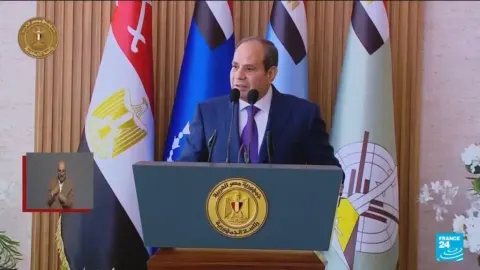
The geopolitical landscape in the Middle East remains on a knife-edge this afternoon. Despite the recent U.S.-brokered ceasefire agreement between Israel and Lebanon, the situation on the ground has rapidly deteriorated. Reports from the Israeli military indicate they have targeted Hezbollah positions following what they claim were rocket launches by the Iranian-backed group just hours after the truce was supposed to take effect. This development highlights the inherent instability of the deal, which notably did not include Hezbollah as a direct signatory, leaving a massive vacuum for misinterpretation and renewed hostilities.
For Iranian observers, this escalation is more than just a military update; it is a barometer for domestic economic sentiment. While the USD/IRR exchange rate has remained remarkably flat at 174,500 Toman, the underlying anxiety is palpable. Any sign that the regional conflict could broaden or that the ceasefire has fundamentally failed puts immediate pressure on the Central Bank's ability to maintain currency stability. The rhetoric from Tehran, including recent statements by Ayatollah Hosseini regarding the "humiliation" and isolation of the Israeli regime, suggests that the ideological and strategic rift remains as wide as ever, regardless of diplomatic efforts in Beirut.
China’s Cooling Demand and the Oil Premium Slide
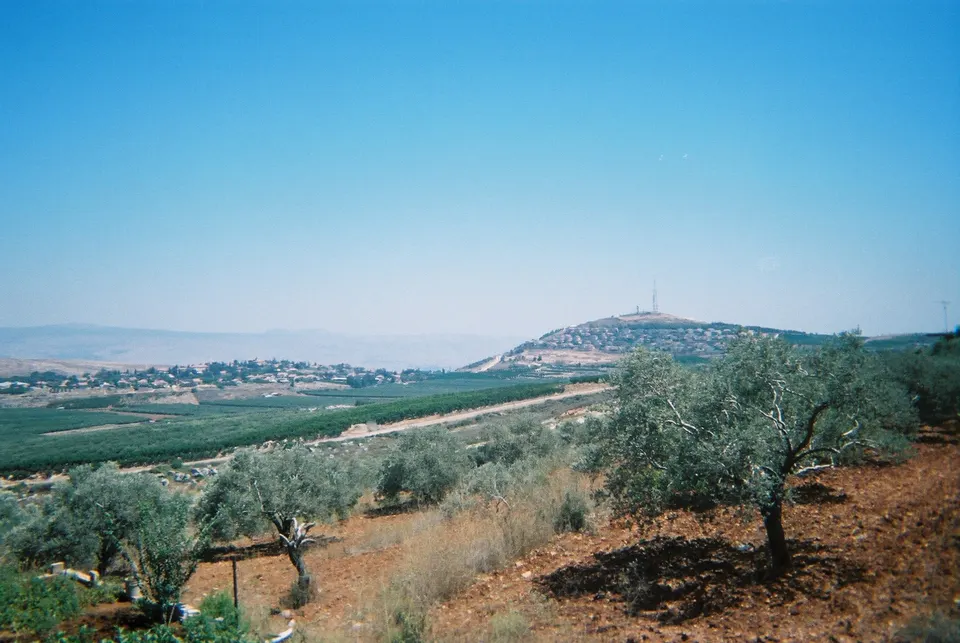
Turning to the energy sector, a significant shift is occurring in the market for Iranian and Russian crude. Recent data shows that the premiums for Iranian Light crude have slipped into a discount relative to ICE Brent for the first time in two months. This price drop, ranging from $0.50 to $1 per barrel, is primarily driven by a sharp pullback in imports from China, Iran's largest buyer. The so-called "teapot" refiners—independent Chinese firms that have been the primary outlet for sanctioned oil—are reportedly reducing their run rates due to weakening domestic demand and narrowing profit margins.
This trend represents a critical challenge for Iran’s fiscal planning. As the government relies heavily on oil export revenues to fund its budget and support the Toman, a sustained decrease in both volume and price from its most reliable partner could lead to a widening deficit. If China continues to pivot away or demands even steeper discounts, the ripple effects will be felt across the Iranian economy, potentially ending the current period of exchange rate stagnation and forcing a revaluation of the USD/IRR peg. This market shift occurs just as the global energy landscape is grappling with broader uncertainties regarding OPEC+ production targets and U.S. shale output.

Market Rotation: From Tech Giants to Hard Assets
In the global financial markets, a major strategic shift is being signaled by top analysts. Larry McDonald and other prominent strategists are warning that the technology sector is flashing warning signs not seen since the 2020 market peak. The concern is that investors have overcrowded the "safe trade" of big tech, leaving the sector vulnerable to a massive rotation into hard assets. This sentiment is already manifesting in the gold market, where prices have shown resilience. In the Iranian market, Gold 18k/gram rose from 18,752,481 to 18,968,558 Toman (+1.2%), reflecting a localized flight to safety even as the dollar remains steady.
This rotation towards commodities and gold is a defensive move against potential inflationary shocks and geopolitical instability. For the individual investor, the message is clear: the era of easy gains in tech may be pausing in favor of tangible assets. With gold currently trading at $4,490.60 per ounce, the appetite for "real" value is outpacing the speculative fervor of the equity markets. As the U.S. House of Representatives continues to clash with President Trump over war powers and regional involvement, the global risk appetite remains suppressed, further fueling the demand for gold as the ultimate hedge against a volatile 2026.
Watch
Israel and Lebanon agree to implement ceasefire if Hezbollah stops attacks | BBC News
BBC News
Frequently Asked Questions
Why is the ceasefire between Israel and Lebanon failing already?
How does the drop in Chinese oil demand affect the Iranian Toman?
Is the 1.2% rise in local gold prices linked to global trends?
Understanding the Geopolitical Risk Premium
In a world increasingly interconnected, events far from financial centers can send ripples through global markets. The concept of a Geopolitical Risk Premium helps explain this phenomenon. It refers to the additional return or price that investors demand for assets, or the extra cost they are willing to pay, due to political instability, conflict, or uncertainty in a specific region or globally. This premium reflects the market's perception of increased risk, whether it's the potential for supply disruptions, policy changes, or broader economic fallout from political tensions.
For instance, the ongoing conflict between Israel and Hezbollah, as highlighted in the headline, directly contributes to heightened geopolitical risk in the Middle East. This perception of risk can significantly impact energy markets. When investors anticipate potential disruptions to oil supplies from a volatile region, they may bid up oil prices, effectively creating a 'risk premium' on crude. Conversely, if a major buyer like China pulls back from purchasing oil from a particular supplier (e.g., Iran), it can reduce demand for that specific crude, potentially eroding any premium the supplier might have enjoyed due to scarcity or sanctions, as indicated by "Iranian Crude Premiums" being dented.
Beyond commodities, geopolitical risk premiums influence broader investment decisions. When uncertainty escalates, investors often shift capital from riskier assets, such as growth-oriented tech stocks, towards perceived safer havens like 'hard assets' – including gold, real estate, or certain stable currencies. This 'market rotation' reflects a desire to preserve capital amidst instability. Domestically, in countries directly affected by sanctions and regional tensions, such as Iran, this risk can manifest as currency devaluation (like the USD/IRR exchange rate fluctuations) and a surge in demand for inflation hedges like gold, as local populations seek to protect their wealth from economic volatility fueled by geopolitical factors.
Topics
Related Articles