Trump Slams 'Unpatriotic' War Powers Vote as Dollar Retreats on Iran Negotiation Hopes
حمله تند ترامپ به قطعنامه اختیارات جنگی همزمان با عقبنشینی دلار در سایه مذاکرات ایران
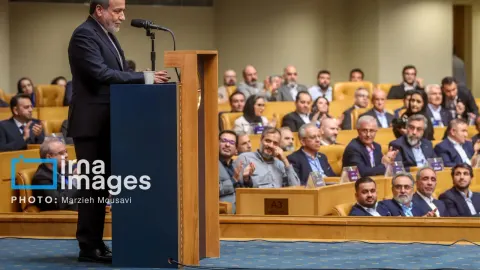
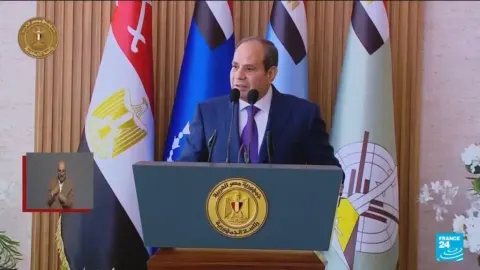
President Trump has lashed out at Republican defectors following a House vote to limit his military authority against Iran, calling the move 'unpatriotic' during sensitive negotiations. Meanwhile, the US Dollar has slipped from recent highs as markets react to potential diplomatic breakthroughs and domestic political friction.
At time of publishing
USD
174,500
Toman
Gold 18K
19.00M
Toman / gram
Bitcoin
$63,191
US Dollar
Tether
172,100
Toman
Trump Blasts 'Meaningless' War Powers Vote Amid Secret Negotiations
President Donald Trump has ignited a fresh political firestorm, labeling four fellow Republicans as "unpatriotic" after they joined Democrats to pass a resolution limiting his executive authority to conduct military operations against Iran. In a series of characteristic outbursts on Truth Social, Trump dismissed the House vote as "meaningless," arguing that it undermines his leverage at a critical juncture. According to the President, these legislative constraints are being enacted just as he enters what he describes as "final negotiations" to secure a grand bargain with the Islamic Republic of Iran. This internal friction highlights a deepening divide within the GOP over executive overreach and the future of American interventionism in the Middle East.
Beyond the war powers dispute, Trump also pivoted to domestic concerns, making unsubstantiated claims of "BIG cheating" in California's election processes. He questioned the delays in vote counting in Los Angeles, even as the U.S. Attorney’s Office has not confirmed any such investigation. This dual-pronged attack—targeting both his own party's defectors and the integrity of the electoral system—suggests a White House that feels increasingly cornered by legislative checks. For Iranian observers, this volatility in Washington is a double-edged sword: while it may signal a desire for a deal, the erratic nature of the administration’s rhetoric makes long-term stability difficult to price into the markets.
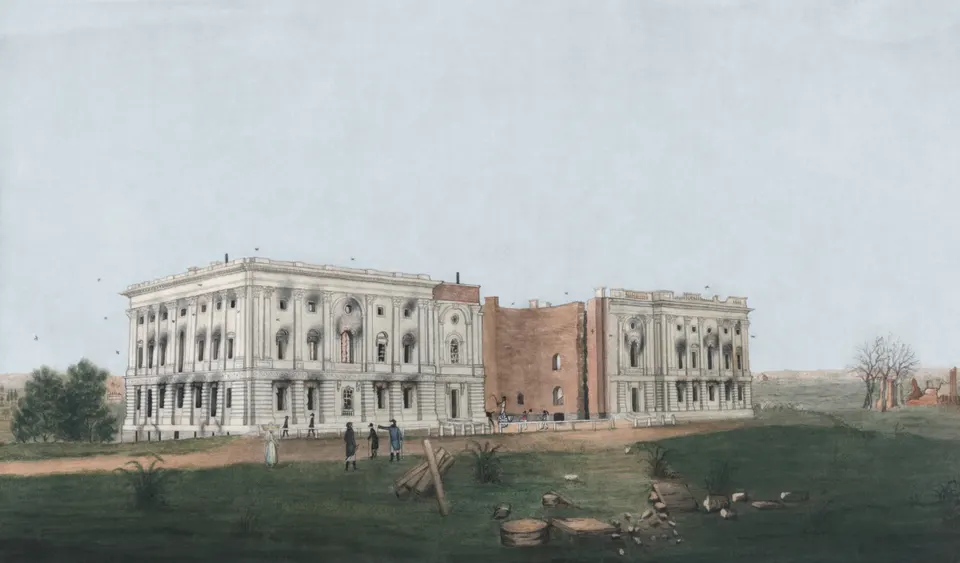
Global Currency Markets: Dollar Retreats as Gold Gains Ground
In the financial sector, the US Dollar has begun to slip from its two-month highs. This retreat comes as traders digest the latest reports regarding the ongoing diplomatic exchanges between Washington and Tehran. Despite Iranian Foreign Minister Abbas Araghchi stating there has been "no tangible progress," the mere existence of a framework for potential agreement has been enough to cool the dollar's recent rally. In Tehran, the USD sell rate held steady at 174,500 Toman, showing a 0.0% change over the last 24 hours, suggesting a market in a "wait-and-see" mode. However, the Japanese Yen continues to struggle, trading near the psychologically significant 160 level, which adds another layer of complexity to global liquidity.
While the currency market remains flat, gold has shown signs of life. The price of 18k gold in Iran rose from 18,752,481 to 19,004,801 Toman, a 1.3% increase in just one day. This upward movement reflects a classic hedge against geopolitical uncertainty; as Trump battles Congress and negotiations remain shrouded in mystery, local investors are moving back into hard assets. The Emami coin remained stable at 183,500,000 Toman, but the underlying bullion strength suggests that the market is bracing for a potential spike in volatility should the "meaningless" war powers resolution lead to a genuine constitutional crisis in the United States.

Crypto Sanctions and Tech Expansion: From A7A5 to Amazon
Geopolitics is increasingly playing out in the digital realm, as evidenced by Russia’s recent decision to sanction a British teenager. The youth was targeted for alleging that the A7A5 stablecoin—a digital asset specifically designed to bypass Western sanctions—was being used to fund Russian military efforts in Ukraine. This development highlights the growing role of private individuals and niche crypto-assets in global conflicts. As traditional banking routes remain blocked, the use of stablecoins like A7A5 or USDT (currently trading at 172,100 Toman in the Iranian market) has become a primary tool for both sanction evasion and humanitarian aid, creating a complex regulatory headache for international authorities.
On the corporate front, Amazon is aggressively expanding its footprint in the United Kingdom, signaling a shift in the global logistics landscape. The tech giant announced that its "ultra-fast" delivery service, capable of reaching customers in 30 minutes or less, is expanding to Manchester and Birmingham. This move, which includes the integration of same-day fresh groceries, follows the closure of several physical retail locations. For the broader economy, this highlights the relentless march of automation and logistical efficiency. While governments focus on war powers and trade barriers, the underlying infrastructure of global commerce is being rewritten by firms that prioritize speed and data over traditional borders.

AI Safety: A Rare Moment of Industry Unity
In a surprising turn of events, leaders from the world’s most competitive AI firms have issued a joint call for tougher protections against the use of artificial intelligence in developing biological weapons. In an open letter to the US Congress, industry titans warned that a "biosecurity gap" exists that could allow malicious actors to exploit large language models to engineer pathogens. This rare moment of consensus suggests that the risks of unregulated AI are becoming too significant for even the fiercest rivals to ignore. As AI stocks continue to dominate market predictions for late 2026, this push for regulation could redefine the valuation of the entire sector, moving it from a "wild west" growth phase into a more mature, regulated utility model.
Frequently Asked Questions
Why did Trump call the War Powers resolution 'meaningless'?
How has the Iranian gold market reacted to the US political friction?
What is the A7A5 stablecoin mentioned in the news?
Understanding the War Powers Resolution: Congress's Role in Military Action
The headline mentions a "War Powers Vote" impacting the dollar's value amid Iran negotiation hopes. This refers to the War Powers Resolution of 1973, a crucial piece of U.S. legislation designed to limit the President's authority to commit American armed forces to combat without the explicit consent of Congress. Enacted in the aftermath of the Vietnam War, it sought to reassert Congress's constitutional prerogative to declare war, which many felt had eroded over time.
At its core, the Resolution requires the President to notify Congress within 48 hours of deploying armed forces into hostilities or situations where hostilities are imminent. Crucially, it mandates that such deployment must terminate within 60 days unless Congress has either declared war or passed a specific authorization for the use of military force. A 30-day withdrawal period can extend this, bringing the total to 90 days, but without Congressional approval, troops must be brought home.
The War Powers Resolution has been a source of ongoing tension between the executive and legislative branches, with presidents often viewing it as an unconstitutional infringement on their role as Commander-in-Chief. Despite this, it remains a significant tool for Congress to exert oversight on foreign policy and military engagements. A "War Powers Vote," as mentioned in the headline, signals Congress's intent to either restrict or authorize military action, directly influencing perceptions of geopolitical risk and stability.
For a curious reader, understanding this resolution is vital because it illuminates the complex interplay between domestic law, presidential power, and international relations. When Congress debates or votes on matters related to the War Powers Resolution, it sends clear signals about the likelihood of military conflict or de-escalation, which in turn can profoundly affect global markets, currency valuations (like the dollar retreating on negotiation hopes), and diplomatic efforts.
Topics
Related Articles