Lebanon Ceasefire Fails to Hold as Israel Pushes South; Trump Berates GOP Over Iran War Powers
شکست زودهنگام آتشبس لبنان با پیشروی اسرائیل؛ خشم ترامپ از محدود شدن اختیارات جنگی علیه ایران
Regional stability remains elusive as Israel continues ground operations in Lebanon despite ceasefire talks, while Donald Trump lashes out at his own party for limiting his military authority against Iran. In the markets, the Iranian Toman saw a slight recovery as the US Dollar dipped 0.5% in the last 24 hours.
At time of publishing
USD
173,700
Toman
Gold 18K
18.84M
Toman / gram
Bitcoin
$63,769
US Dollar
Tether
172,984
Toman
The Fragile Truce: Lebanon Ceasefire Dissolves Amid Continued Strikes
The much-anticipated ceasefire in Lebanon appears to be collapsing before it could even take root. Despite international mediation efforts, Israel has signaled its intent to continue ground operations in southern Lebanon, citing the need to neutralize Hezbollah infrastructure that remains a threat to its northern border. This escalation comes as Hezbollah’s leadership officially rejected the terms of the U.S.-brokered deal, arguing that it favored Israeli security interests at the expense of Lebanese sovereignty. The refusal of the Iran-backed group to participate in the current framework has left diplomats scrambling to prevent a full-scale regional conflagration.
From Tehran’s perspective, the rhetoric remains defiant. Esmail Qaani, commander of the IRGC’s Quds Force, emphasized that supporting the 'resistance' in Lebanon is a fundamental duty, suggesting that the goal of removing Israeli influence from the region is more attainable than ever. This stance complicates the diplomatic path forward, as any deal that does not include Hezbollah’s consent is effectively unenforceable on the ground. For Iranian readers, this continued friction maintains a high-risk premium on the national economy, as the threat of direct or indirect confrontation keeps markets on edge despite the slight cooling of the exchange rate today.

Trump’s Domestic War: Coal Subsidies and War Power Rebukes
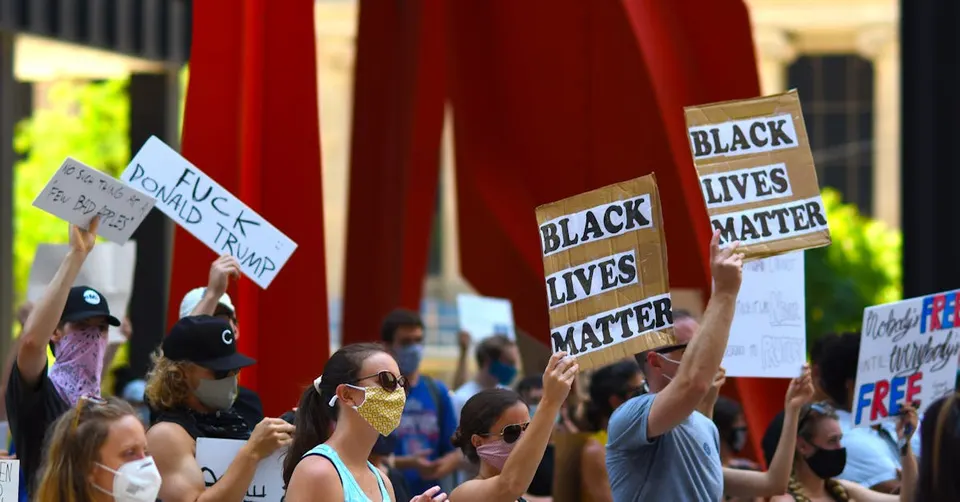
On the domestic front in the United States, President Donald Trump has lashed out at members of his own party, labeling them 'unpatriotic' after they joined Democrats to pass a resolution limiting his powers to wage war against Iran. The House vote is a significant symbolic and legal blow to the administration's 'maximum pressure' rhetoric, signaling a rare bipartisan consensus to prevent an unauthorized military conflict. Trump’s frustration highlights a growing rift within the Republican Party between isolationist 'America First' proponents and traditional hawks who are wary of unchecked executive military authority.
Simultaneously, Trump is flexing his executive muscle in the energy sector by invoking the Defense Production Act—a Cold War-era statute—to funnel $700 million into the struggling coal industry. By framing coal production as a matter of national security, the administration is attempting to bypass environmental regulations and market trends that favor renewables. This move is designed to shore up support in key industrial states but has drawn sharp criticism for prioritizing fossil fuels over modern energy transitions. For global markets, this signals a continued U.S. pivot toward traditional energy dominance, which indirectly affects global oil and coal pricing dynamics.
---
Market Shifts: Toman Recovers While Capital Rotates to AI
The Iranian currency market showed signs of stabilization this hour. The USD/IRR exchange rate moved from 174,500 to 173,700, representing a 0.5% decrease in the value of the dollar over the last 24 hours. While the currency saw a slight reprieve, the gold market remained bullish; 18k gold rose from 18,752,481 to 18,843,436 Toman per gram (+0.5%). This divergence suggests that while immediate currency panic has subsided, investors are still seeking the safety of hard assets as a hedge against the ongoing geopolitical uncertainty in Lebanon and the shifting political landscape in Washington.
In the global arena, the 'digital gold' narrative for Bitcoin is facing a stern test. Michael Saylor of MicroStrategy recently pointed to a 'capital rotation' as the primary reason for Bitcoin’s recent 13% dive, suggesting that institutional money is being siphoned away from crypto and into the booming AI sector. As companies like Nvidia and Microsoft continue to dominate the narrative, the speculative liquidity that once fueled crypto rallies is now chasing the promise of artificial intelligence. This shift is reflected in the U.S. labor market as well, where 'tokenmaxxing' is being replaced by a surge in human hiring to manage inefficient AI budgets, proving that the human element remains cheaper than poorly implemented automation for many firms.

Frequently Asked Questions
Why is the Lebanon ceasefire in doubt despite U.S. mediation?
What does the House resolution on Iran war powers mean for Trump?
Why is gold rising in Iran while the US dollar is falling?
Is the 'AI boom' really hurting Bitcoin prices?
Understanding the U.S. War Powers Resolution
The War Powers Resolution, often referred to as the War Powers Act, is a critical piece of U.S. federal law intended to check the President's power to commit the United States to an armed conflict without the consent of the U.S. Congress. Enacted in 1973 over President Richard Nixon's veto, it was a direct response to the perceived overreach of presidential authority during the Vietnam War, aiming to reassert Congress's constitutional role in declaring war. This resolution reflects the fundamental tension between the executive's need for swift action in foreign policy and the legislature's constitutional mandate to decide when the nation goes to war.
The Resolution stipulates several key requirements. First, the President must notify Congress within 48 hours of committing armed forces to military action. Second, it mandates that the President withdraw U.S. forces after 60 days unless Congress has declared war, authorized the use of military force, or granted an extension. A 30-day withdrawal period is also allowed, bringing the total potential deployment without congressional approval to 90 days. These provisions aim to ensure that military engagements are either quickly approved by Congress or rapidly concluded, preventing prolonged, undeclared wars.
Despite its clear intent, the War Powers Resolution has been a source of ongoing constitutional debate and controversy. Presidents, from both parties, have often viewed it as an unconstitutional infringement on their executive powers as Commander-in-Chief, frequently interpreting its requirements narrowly or circumventing them. Congress, on the other hand, has often been reluctant to enforce it, sometimes preferring to avoid politically difficult votes on military actions. This dynamic creates a continuous push-and-pull, where the President seeks to maintain flexibility in foreign policy, while Congress strives to uphold its constitutional authority over war-making.
The "Trump Iran war powers" keyword directly highlights this ongoing tension. Any presidential decision to engage militarily with a nation like Iran, or to support proxies in conflicts such as those involving Hezbollah and Israel, would immediately raise questions about the War Powers Resolution. Debates over a president's authority to deploy forces, conduct strikes, or provide military aid without explicit congressional authorization are central to understanding how the U.S. navigates complex international conflicts and maintains its system of checks and balances.
Topics
Related Articles