GOP Shields Trump’s Legal War Chest as Iran’s Oil Exports Hit 6-Year Low
حمایت سنا از صندوق حقوقی ترامپ همزمان با سقوط بیسابقه صادرات نفت ایران به کف ۶ ساله
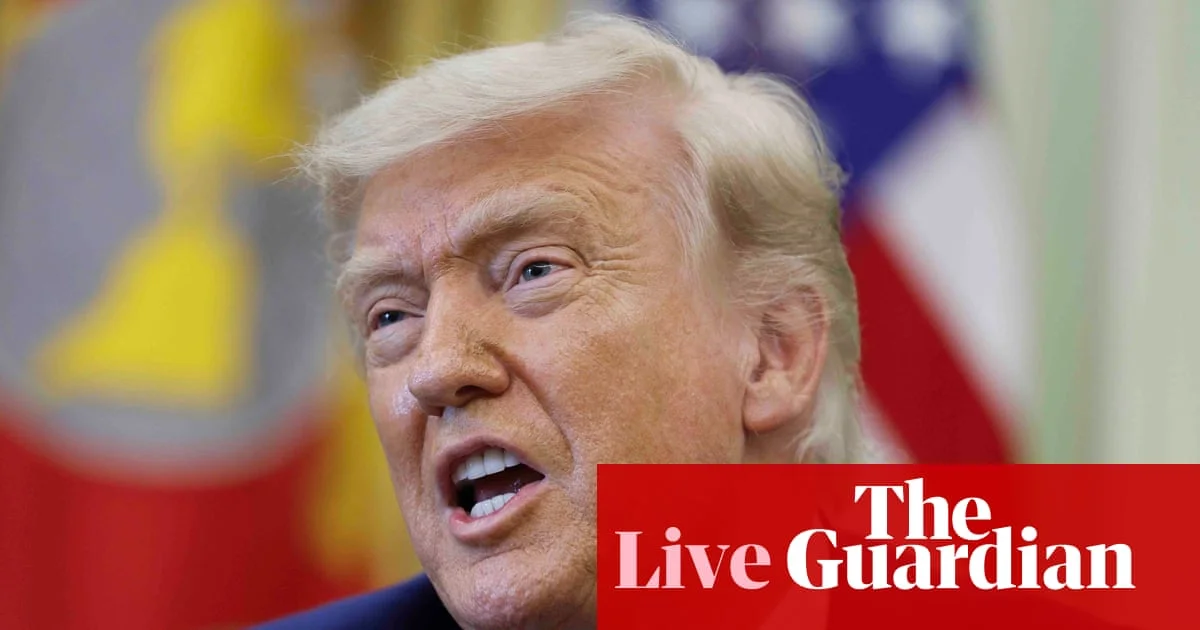
Senate Republicans have blocked a motion to ban Donald Trump’s controversial 'anti-weaponization' fund, signaling a major political win for the former president. Meanwhile, new data reveals Iran's oil exports have collapsed to just 209,000 barrels per day amid a tightening naval blockade, creating fresh pressure on the Iranian Toman.
At time of publishing
USD
173,700
Toman
Gold 18K
18.84M
Toman / gram
Bitcoin
$63,933
US Dollar
Tether
172,506
Toman
Senate Republicans Block Challenge to Trump’s Legal Fund
In a significant display of party unity, Senate Republicans have successfully voted to block a motion aimed at banning Donald Trump’s so-called ‘anti-weaponization’ fund. This fund, which has been a point of intense debate in Washington, is designed to provide a financial and legal shield against what Trump’s allies describe as the politically motivated weaponization of the Department of Justice. The vote came shortly after acting attorney general Todd Blanche informed lawmakers that the DOJ would not be moving forward with actions against the fund at this time. This development reinforces the former president's grip on the party's legislative priorities as the 2026 political cycle heats up.
Simultaneously, the legal landscape surrounding the former administration remains volatile. Reports indicate that John Bolton, Trump’s former national security adviser turned vocal critic, is expected to plead guilty to the illegal retention of sensitive national security documents. Bolton has reportedly agreed to a fine exceeding $2 million to resolve the case. This juxtaposition of a protected legal fund for Trump and a guilty plea for one of his primary detractors highlights the deeply fractured nature of American institutional politics right now. For global markets, this internal friction in the U.S. suggests a continued period of policy unpredictability, particularly regarding executive powers and judicial independence.
Iran’s Oil Exports Collapse Amid Tightening Blockade
New shipping data from Vortexa and Kpler paints a grim picture for the Iranian economy, showing that crude oil and condensate exports have plummeted to their lowest levels in at least six years. In May, exports fell to approximately 209,000 barrels per day (bpd), a staggering drop from the 1.34 million bpd recorded in April and the 1.9 million bpd seen in March. This collapse is largely attributed to a tightening U.S. naval blockade and increased surveillance of 'dark fleet' tankers, leaving tens of millions of barrels of crude stranded at sea without buyers or safe passage.
This massive reduction in foreign currency inflow is already vibrating through the domestic markets in Tehran. While the USD/IRR pair saw a minor retreat in the last 24 hours—moving from 174,500 to 173,700 Toman (-0.5%)—the underlying lack of oil revenue suggests that this stability may be temporary. If export volumes do not recover, the central bank’s ability to intervene in the currency market will be severely hampered. Investors are currently hedging against this risk by moving into gold, which saw 18k gram prices rise from 18,752,481 to 18,843,436 Toman (+0.5%) even as the dollar slightly dipped.
Market Jitters: Bitcoin Support and the SpaceX IPO Hype
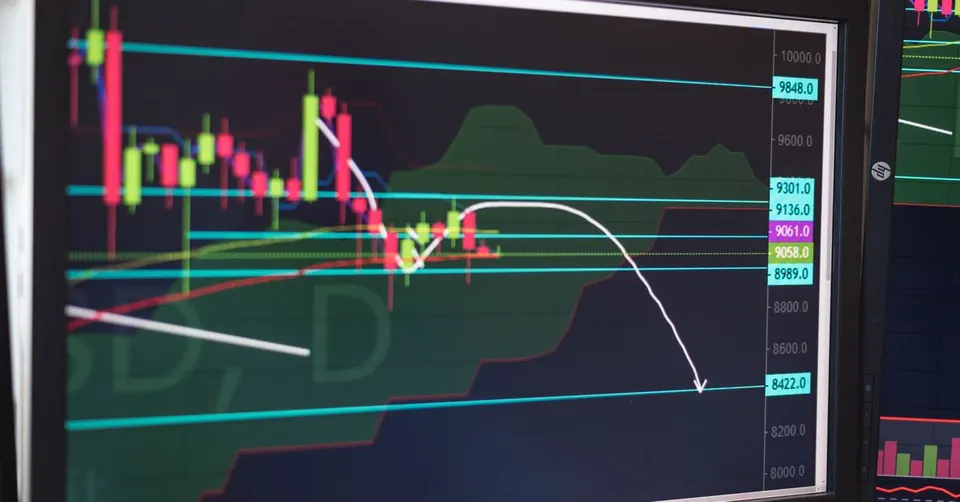
In the global financial arena, Bitcoin is testing the nerves of investors as it hovers around the $63,933 mark. Analysts are closely watching the $60,000 support level, noting that the current price action mimics the 'bear market repeat' behavior seen in previous cycles. Despite the launch of new crypto-backed financial products, such as Coinbase’s token-backed mortgage down payments, the broader market sentiment remains cautious. The total crypto market cap has seen significant erasures recently, leading some bears to declare a victory lap, though long-term bulls argue that the current consolidation is a necessary precursor to a move toward the $500,000 target predicted by some institutional analysts.
Outside of crypto, the tech world is buzzing with SpaceX's potential IPO, which aims for a valuation near $75 billion. However, market veterans warn that the odds of a successful liftoff for retail investors are 'sky-high' given the astronomical valuation and the historical difficulty of rewarding late-stage IPO buyers. As capital rotates out of speculative assets and into hard assets or infrastructure-linked tech—like the Sam Altman-backed Helion fusion project which just raised $465 million—the appetite for high-risk listings is being put to the ultimate test. For Iranian investors, the contrast between a struggling Bitcoin and a rising domestic gold price serves as a reminder of the differing drivers between global digital assets and local inflation hedges.
Frequently Asked Questions
Why did Senate Republicans block the motion against Trump's fund?
What caused the massive drop in Iranian oil exports in May 2026?
Is the current stability in the USD/IRR exchange rate sustainable?
What are the key technical levels for Bitcoin right now?
How Economic Sanctions Shape Oil Markets and Global Finance
Economic sanctions are coercive tools used by governments or international bodies to compel a change in behavior by restricting a target country's access to financial systems, trade, and technology. In the case of Iran, U.S. sanctions on its oil sector have dramatically reduced its export capacity, pushing shipments to a six‑year low in 2026. By cutting off Iran’s ability to sell crude on the open market, sanctions not only lower the country’s foreign‑currency earnings but also tighten global oil supply, which can lift benchmark prices such as Brent or West Texas Intermediate. The ripple effects are felt far beyond Tehran: higher oil prices can boost commodity‑linked assets like gold, influence exchange rates (e.g., USD/IRR), and even affect the valuation of high‑growth firms that rely on cheap energy, such as SpaceX.
Sanctions operate through a network of secondary measures. Even non‑U.S. banks and shipping firms may be barred from processing transactions involving sanctioned oil, fearing secondary penalties. This creates a de‑risking cascade where insurers, freight forwarders, and even cryptocurrency platforms become wary of facilitating trade. Bitcoin’s price often reacts to heightened geopolitical risk, as investors seek assets outside the traditional banking system; support levels can therefore be linked indirectly to sanction‑driven market stress.
The legal dimension is equally important. Entities that continue to do business with sanctioned parties risk prosecution, as illustrated by the recent plea deal involving former National Security Adviser John Bolton, who faced charges related to sanction‑evasion schemes. The prospect of hefty fines and criminal liability forces corporations to allocate substantial funds—sometimes called a “legal war chest”—to defend against investigations. This legal spending can become a political lever, as seen in the U.S. Congress where some lawmakers defend these funds to protect allies or to signal a hard line against adversaries.
Understanding sanctions helps explain why a naval blockade, such as a U.S. Navy presence in the Persian Gulf, can be more than a show of force; it reinforces the economic pressure by deterring physical shipments. The combination of diplomatic, legal, and financial pressures creates a multi‑layered strategy that reshapes global commodity flows, currency markets, and even the valuation of emerging tech IPOs.
For anyone following geopolitics, finance, or international law, grasping how sanctions work provides a lens to interpret headline‑making events—from oil export declines to gold price spikes, from cryptocurrency volatility to the allocation of political fundraising for legal defenses.
Topics
Related Articles