Beyond Ozempic: The Next Weight-Loss Wave Meets a $1.8 Trillion Global Market Wipeout
فراتر از اوزمپیک: موج جدید داروهای لاغری در میانه ریزش ۱.۸ تریلیون دلاری بازارهای جهانی
As Retatrutide promises a new frontier in obesity treatment, global markets face a brutal reality check with the Nasdaq's largest point drop in history. Meanwhile, the Toman feels the heat of regional tensions, climbing 1.6% to hit 177,600.
At time of publishing
USD
177,600
Toman
Gold 18K
18.61M
Toman / gram
Bitcoin
$62,035
US Dollar
Tether
177,412.138
Toman
The Next Bio-Tech Frontier: Retatrutide and the GLP-1 Evolution
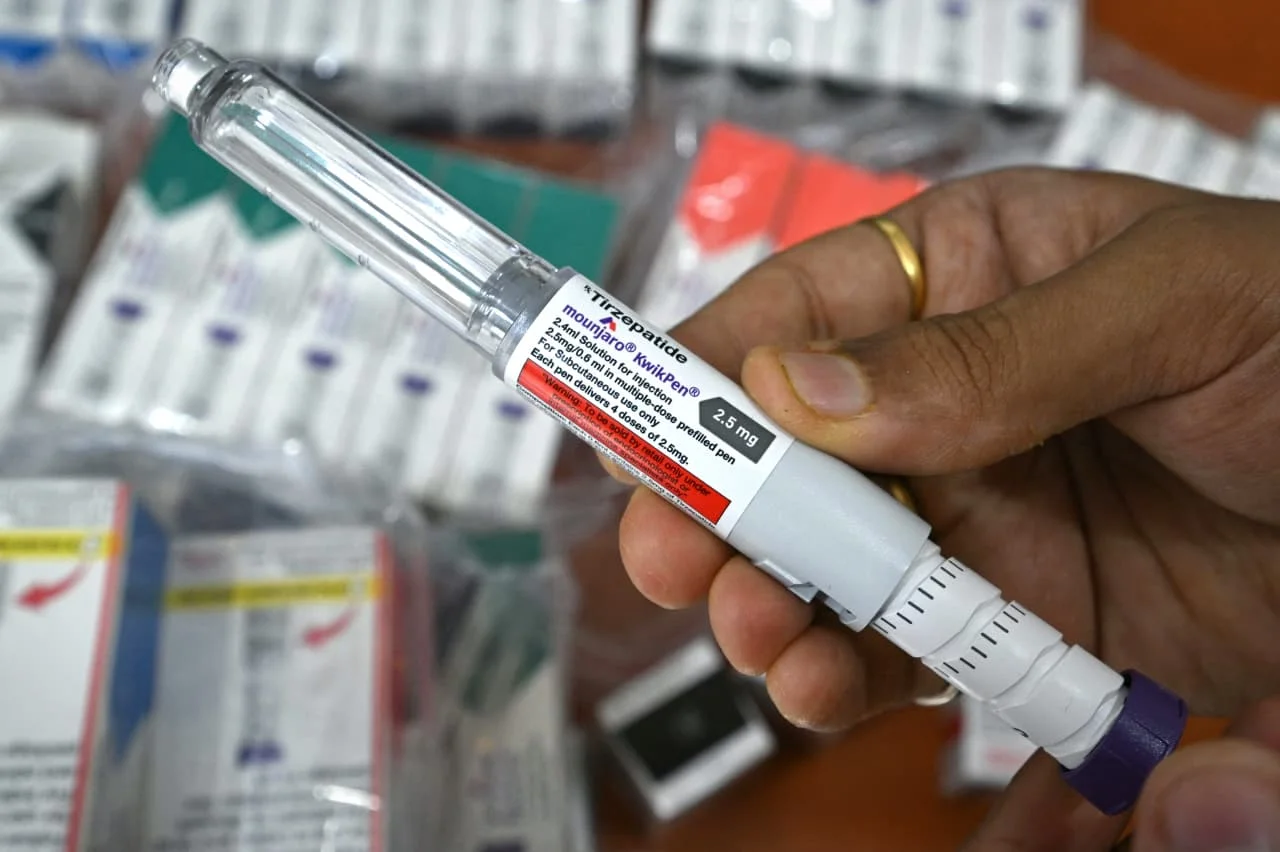
While the world is still adjusting to the economic and social impact of Ozempic and Wegovy, a new wave of weight-loss therapies is already preparing to disrupt the pharmaceutical landscape. Retatrutide, a triple-hormone receptor agonist, is emerging as the successor to current GLP-1 drugs. Unlike its predecessors that target one or two receptors, Retatrutide hits three: GLP-1, GIP, and glucagon. Clinical trials suggest this "triple threat" approach not only leads to more significant weight loss—potentially exceeding 24% of body weight—but also offers secondary benefits for sleep apnea and chronic knee pain. For investors, this represents a massive shift in the healthcare sector, moving beyond simple appetite suppression into comprehensive metabolic health management.
This technological leap is why the market remains obsessed with pharmaceutical giants like Eli Lilly and Novo Nordisk. However, the excitement is tempered by the high cost of entry and the logistical challenges of scaling production. For the average consumer, these drugs represent a future where obesity-related comorbidities are drastically reduced, potentially altering the long-term outlook for health insurance and public health spending. As these drugs move closer to full commercial availability in 2026, they are becoming the primary drivers of growth in an otherwise volatile S&P 500, forcing a re-evaluation of what constitutes a "tech" stock in the modern era.

Global Markets Shudder: The $1.8 Trillion Reality Check
The optimism in the biotech sector was not enough to save the broader markets from a historic selloff this Friday. The Nasdaq Composite plummeted by more than 1,121 points, marking the largest single-day point drop on record. This $1.8 trillion wipeout for the S&P 500 comes after a relentless two-month rally that many analysts believed was overextended. The primary catalyst appears to be a realization that high interest rates and stubborn inflation are not receding as quickly as hoped. While many S&P 500 companies continue to report that higher oil prices have not yet gutted their bottom lines, the psychological threshold has been crossed, leading to a massive liquidation of tech and growth assets.
For the global economy, this volatility signals a transition from speculative growth to a "show me the money" environment. Investors are no longer willing to buy into future promises without seeing immediate resilience against rising energy costs and geopolitical instability. This market tremor has immediate consequences for retail investors and retirement funds, as the "Magnificent Seven" tech stocks finally showed signs of vulnerability. The ripple effect is felt globally, as capital flees riskier assets in favor of the safety of the US Dollar and physical gold, which has surged to $4,330 per ounce.

Regional Tensions and the Toman's 1.6% Surge
In the Iranian market, the geopolitical temperature continues to dictate the pace of currency depreciation. Over the last 24 hours, the USD/IRR exchange rate moved from 174,800 to 177,600, a 1.6% increase that reflects deepening concerns over regional stability. This move was mirrored in the gold market, where 18k gold rose from 18,318,712 to 18,610,739 Toman per gram (+1.6%). The driver behind this spike is the ongoing friction in the Middle East, specifically 100 days into the current US-Israel-Iran standoff. Recent reports from Centcom regarding the destruction of Iranian drones in the Strait of Hormuz have only added fuel to the fire, convincing traders that a diplomatic breakthrough remains far out of reach.
Beyond the currency charts, the human cost of this friction is becoming more visible. The plea from the son of British-Iranian dual nationals Craig and Lindsay Foreman for a prisoner exchange highlights the stalled nature of high-level negotiations. While the US and Iran remain in a state of "aggressive posturing," the Iranian consumer bears the brunt through higher import costs and a shrinking purchasing power. The Emami coin, a staple of local wealth preservation, jumped 1.9% to 184,500,000 Toman, signaling that the public is once again retreating into hard assets to hedge against a potentially explosive summer of regional politics.

Frequently Asked Questions
What makes Retatrutide different from Ozempic?
Why did the Nasdaq have its biggest point drop in June 2026?
How is the 100-day regional conflict affecting the Iranian Toman?
Are higher oil prices hitting corporate profits yet?
GLP‑1 Agonists: How a New Class of Drugs Is Reshaping the Global Weight‑Loss Market
Glucagon‑like peptide‑1 (GLP‑1) agonists were originally developed to treat type‑2 diabetes, but their potent appetite‑suppressing effects quickly turned them into blockbuster weight‑loss medicines. The hormone GLP‑1 is released by the gut after a meal and signals the brain to reduce hunger while also slowing gastric emptying. Synthetic versions—such as semaglutide (Ozempic, Wegovy) and the newer experimental molecule retatrutide—bind to the same receptors, amplifying these signals and producing sustained reductions in calorie intake.
The commercial impact has been dramatic. In 2023, GLP‑1 drugs captured roughly $15 billion of global pharmaceutical sales, and analysts project the market could exceed $100 billion by 2030 if pipeline candidates reach approval. This surge is driven by the convergence of three trends: a growing prevalence of obesity, strong clinical evidence that GLP‑1s can deliver 10‑15 % body‑weight loss (far beyond older drugs), and aggressive pricing strategies that position them as long‑term, high‑margin therapies for both diabetes and obesity.
From an investment perspective, the rapid expansion of the GLP‑1 market has created a “weight‑loss wave” that can move entire equity indices. The Nasdaq, heavily weighted toward biotech and tech firms that partner with drug developers, saw heightened volatility in June 2026 as investors priced in the potential of next‑generation agents like retatrutide. A successful launch could add tens of billions of dollars to market caps, while setbacks can trigger sharp sell‑offs, contributing to broader market corrections.
Beyond the financials, the GLP‑1 boom raises policy questions. Health insurers must decide whether to cover expensive, often $1,000‑plus monthly injections, while governments grapple with the societal costs of obesity and the ethical implications of “pharmacological” weight loss. In Iran, for example, the high price of GLP‑1 drugs (often quoted in USD IRR terms such as 177,600) makes them inaccessible to most patients, highlighting disparities in global drug access.
Understanding GLP‑1 agonists therefore offers insight not only into a lucrative pharmaceutical niche but also into how biomedical innovation can reshape markets, public health strategies, and geopolitical economic dynamics.