Chornobyl Nuclear Site Hit by Russian Drone; Toman Slides 1.8% as Global Risks Mount
حمله پهپادی روسیه به تأسیسات اتمی چرنوبیل؛ جهش ۱.۸ درصدی دلار در بازار تهران
A Russian drone strike on a nuclear fuel storage site near Chornobyl has triggered global alarm, while the Iranian Toman faces renewed pressure, crossing the 178,000 threshold against the USD.
At time of publishing
USD
178,000
Toman
Gold 18K
18.65M
Toman / gram
Bitcoin
$61,776
US Dollar
Tether
178,198
Toman
The Chornobyl Strike: A New Nuclear Brinkmanship
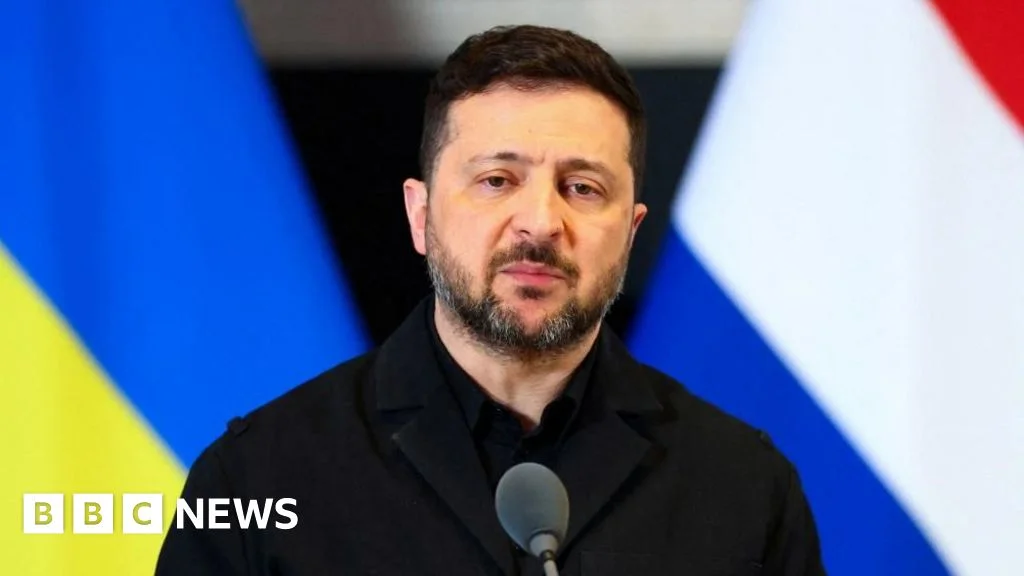
A Russian Shahed drone has struck a building used for storing spent nuclear fuel near the decommissioned Chornobyl nuclear power plant, marking a terrifying escalation in the ongoing conflict. While Ukrainian officials confirmed the reception building was empty of containers at the time, the deliberate targeting of such a sensitive site is being viewed globally as a direct and "vile" message from Moscow. President Volodymyr Zelenskyy, ahead of critical talks in London, condemned the act as an attempt to weaponize the fear of nuclear catastrophe. This incident highlights a shift in strategy where high-profile, high-risk locations are no longer off-limits in the battle of long-range aerial strikes.
This attack comes at a moment of extreme tension, where the psychological impact of nuclear risk is being used to manipulate international sentiment. For the global community, the sight of smoke near Chornobyl—a name synonymous with the world’s worst nuclear disaster—triggers immediate market volatility and a flight to safe-haven assets. The strategic intent appears to be the destabilization of European energy security and a test of Western resolve as the geopolitical map continues to fracture. As the war enters its 100th day, the lack of a clear path to a truce is forcing markets to price in a long-term, high-risk environment that affects everything from oil prices to regional currency stability.
Market Reaction: Toman Under Pressure as Tensions Peak
In the wake of these global developments and the ongoing regional friction, the Iranian market has seen a sharp uptick in volatility. The US Dollar (USD) moved from 174,800 to 178,000 (+1.8%) within the last 24 hours, reflecting a nervous sentiment among traders. This spike is not merely a local phenomenon but a reaction to the broader geopolitical climate, where the elusive nature of a truce in the US-Israel-Iran conflict continues to weigh heavily on currency expectations. Investors are increasingly looking for ways to hedge against inflation and potential supply chain disruptions caused by the escalating rhetoric.
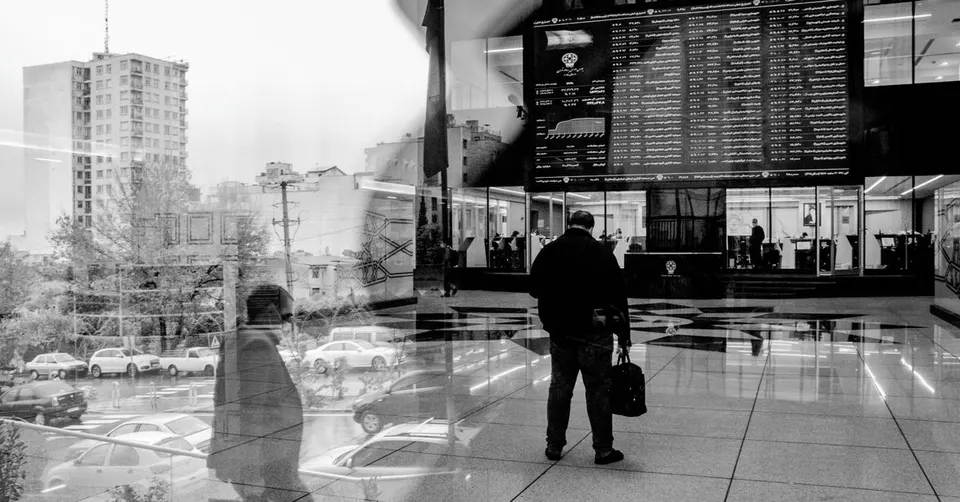
Gold has followed a similar trajectory, with 18k gold per gram rising from 18,318,712 to 18,652,523 (+1.8%), and the Emami coin climbing from 181,000,000 to 184,500,000 (+1.9%). With the international gold ounce price sitting at a staggering $4,330, the local market is essentially pricing in a "perfect storm" of regional war fatigue and international nuclear brinkmanship. For the average Iranian saver, these movements signal a continued erosion of purchasing power, driving a renewed rush into physical assets like coins and bullion as a last line of defense against a devaluing currency.
The Rise of the Invisible Influencer: AI’s New Frontier
Beyond the immediate noise of war and markets, a quieter revolution is occurring in the digital space. AI-generated "content creators" are becoming nearly indistinguishable from real humans, as reported by The Verge. This evolution in synthetic media is no longer just about funny filters; it is about the creation of entire personas that command millions of followers, influence consumer behavior, and potentially manipulate market sentiment without ever existing in the physical world. The speed at which these AI entities are evolving is outpacing the regulatory frameworks designed to manage them, leaving a gap that could be exploited by bad actors.

The economic implications of this shift are profound. As these AI entities become harder to spot, the barrier between authentic human interaction and corporate-driven algorithms dissolves. This creates a significant risk for financial misinformation. If a "trusted" AI influencer can be programmed to shill a specific asset or spread geopolitical rumors, the speed at which markets—including the crypto and currency markets in Tehran—react could become dangerously accelerated. We are entering an era where the "truth" of a digital identity is as volatile as the price of Bitcoin, which currently sits at $61,776.
Urban Mysteries and Economic Anxiety
In a bizarre turn of events that has gripped New York City, groups of people have been filmed prying open manhole covers and disappearing into the sewers of Queens and Brooklyn. Dubbed "mole people" by the local press, these individuals have sparked a wave of intrigue and speculation. While some view it as a symptom of urban decay or a search for alternative housing amidst a global cost-of-living crisis, others see it as a form of performance art or subterranean protest. Regardless of the motive, the mystery highlights a growing sense of social dislocation in major Western hubs that often precedes broader economic shifts.

This social anxiety is mirrored in the financial world, where even the most secure investments are being questioned. Recent reports from MarketWatch highlight the plight of retirees who found their "perfect" luxury communities millions of dollars in debt, effectively trapping their life savings. Whether it is the fear of nuclear fallout in Ukraine, the rising cost of travel in the UK, or the debt-ridden retirement havens in the US, the global middle class is facing a multifaceted crisis of confidence. For the Iranian reader, these stories serve as a reminder that the current economic volatility is a global phenomenon, driven by a breakdown in traditional social and financial contracts.
Frequently Asked Questions
How did the Chornobyl drone strike affect the Iranian Toman?
Why is the price of gold in Iran rising despite high global prices?
What are the risks of AI-generated content creators for financial markets?
Defense in Depth: How Nuclear Plants Guard Against Unexpected Threats
The principle of defense in depth is the cornerstone of nuclear safety. Rather than relying on a single barrier, nuclear facilities are designed with multiple, redundant layers of protection—physical, technical, and organizational—to prevent accidents and limit the spread of radioactive material. These layers include robust containment structures, redundant cooling systems, emergency power supplies, and strict operational procedures. If one layer fails, the next one steps in, dramatically reducing the probability of a catastrophic release.
In recent years, the emergence of drone technology has introduced a new class of risk for nuclear sites. A small, low‑cost unmanned aerial vehicle can potentially bypass traditional perimeter security, delivering explosives or surveillance equipment directly onto critical infrastructure. The June 2026 incident at the Chernobyl Exclusion Zone, where a Russian‑operated drone struck the site, highlighted how even decommissioned facilities are not immune to modern asymmetric threats. While the physical damage was limited, the event underscored the need to adapt existing defense‑in‑depth strategies to address aerial incursions.
To counter drone threats, operators are adding counter‑UAS (Unmanned Aircraft System) measures as an additional defensive layer. This includes radar detection, radio‑frequency jamming, and even kinetic interceptors. These technologies are integrated into the broader safety culture, ensuring that any breach is detected early and neutralized before it can compromise critical systems. The approach exemplifies how defense in depth evolves: new technologies become part of the safety net, reinforcing older, proven barriers.
Understanding defense in depth is crucial not only for nuclear engineers but also for policymakers and investors monitoring global risk. When a nuclear plant can demonstrate robust, multi‑layered protection, it reduces the likelihood of a radiological incident, which in turn stabilizes local economies and currency markets—factors that can influence exchange rates like the Iranian toman. As geopolitical tensions rise, the resilience of such critical infrastructure becomes a key indicator of overall market stability.
Topics
Related Articles