100 Days of 'Epic Fury': Toman Hits 177,850 as Domestic Despair Deepens Amidst Military Stalemate
۱۰۰ روز پس از آغاز «خشم حماسی»؛ صعود دلار به ۱۷۷,۸۵۰ تومان در میان ناامیدی از بنبست نظامی
As Operation Epic Fury reaches its 100th day, the Iranian Toman has surged to 177,850 per dollar amid reports of deep psychological despair and a costly military stalemate. Meanwhile, global markets see a rotation away from tech stocks while religious and political figures dominate the European headlines.
At time of publishing
USD
177,850
Toman
Gold 18K
18.64M
Toman / gram
Bitcoin
$62,234
US Dollar
Tether
177,300
Toman
The 100-Day Mark: A Nation Caught Between Inflation and Infantry
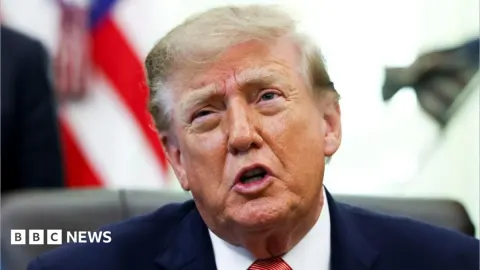
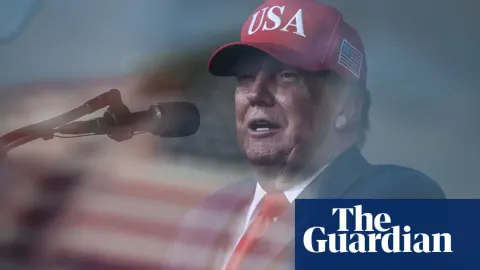
One hundred days after U.S. President Trump launched "Operation Epic Fury" against Iran, the conflict has devolved into a grueling and costly stalemate that few predicted at the onset. What was framed as a swift campaign to reset regional dynamics has instead resulted in over 7,000 deaths, mass displacement, and a near-total paralysis of the Strait of Hormuz. For the average Iranian, this military deadlock is mirrored by a devastating economic collapse. The Iranian Toman has felt the full weight of this uncertainty; in the last 24 hours alone, the USD/IRR rate moved from 174,800 to 177,850, marking a 1.7% devaluation that further erodes the purchasing power of a population already struggling with skyrocketing costs of living.
Reports from the ground, including accounts from the New York Times, suggest a deepening sense of despair that transcends political affiliations. Both pro- and anti-government citizens are reportedly sinking into a state of hopelessness as the promise of either stability or regime change remains unfulfilled. The daily routine for many, such as teachers in Tehran, has become a struggle against weak internet, soaring prices for basic goods, and the constant psychological pressure of a war that has no clear end in sight. Gold prices have followed the currency's lead, with 18k gold rising from 18,318,712 to 18,636,825 Toman (+1.7%), serving as a grim barometer for the public's lack of confidence in the formal economy.

This economic implosion is not just a side effect; it is a central feature of the current crisis. With oil exports severely disrupted and nuclear negotiations completely stalled, the Iranian state is finding its resilience tested in ways that previous sanction regimes never achieved. However, this pressure has not yet translated into a diplomatic breakthrough. Instead, the stalemate in the Persian Gulf has created a global ripple effect, keeping oil prices elevated and ensuring that the "Epic Fury" remains a primary driver of global market volatility and humanitarian concern as the conflict enters its second hundred days.
Faith and Fire: From Madrid’s Masses to Beirut’s Rubble
While the Middle East remains locked in conflict, the European continent is witnessing its own set of historic transitions. In Madrid, more than one million people gathered for an outdoor mass led by Pope Leo. The American pontiff used the massive platform to address the growing chasm between traditional Christian values and the rise of far-right politics across the West. By telling worshippers that "no one can kneel before the Lord and despise their brother," the Pope delivered a pointed critique of the nationalist sentiments that have gained traction during this period of global instability. The event was one of the largest religious gatherings in recent Spanish history, highlighting a search for moral clarity amidst the chaos of international warfare and economic shifts.

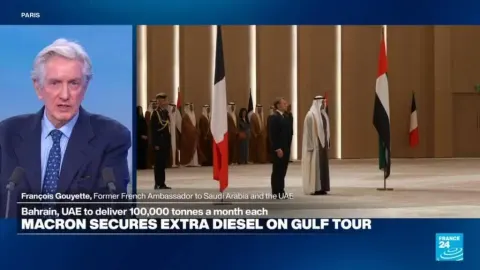
In a stark contrast to the spiritual unity in Madrid, the fragility of regional peace was underscored by renewed Israeli strikes on Beirut suburbs. These attacks came just days after a U.S.-brokered truce, with Israel claiming the strikes were a direct response to Hezbollah fire. This cycle of violence continues to complicate the broader geopolitical landscape, making any long-term resolution to the 100-day war even more elusive. The inability of international mediators to maintain even a brief ceasefire suggests that the regional escalations are now operating on a logic of their own, independent of high-level diplomatic efforts in Washington or Brussels.
Adding to the sense of a changing era in Europe is the passing of Bernadette Chirac, the former First Lady of France, who died at the age of 93. Once viewed merely as the coifed wife of President Jacques Chirac, she eventually emerged as a formidable political player and a champion of charitable causes. Her death marks the end of a specific chapter in French and European politics—one characterized by a different style of diplomacy and internal governance than the populist and hyper-polarized environment currently gripping the world. As these figures of the past depart, the vacuum is being filled by more volatile actors and more extreme policy shifts.
Media Interference and the Great Market Rotation
Back in the United States, a significant controversy has erupted within the media landscape that touches on the intersection of journalism and political influence. Fired CBS "60 Minutes" anchor Scott Pelley has accused the network's leadership, specifically editor-in-chief Bari Weiss, of interfering with a report regarding the killing of a Minneapolis protester. Pelley alleges that management sought to align the segment's narrative with political rhetoric, raising serious questions about editorial independence in major newsrooms. This internal strife at one of the world's most influential broadcasters mirrors the broader polarization of information that has made it increasingly difficult for the public to find objective analysis of the ongoing conflicts in the Middle East and beyond.
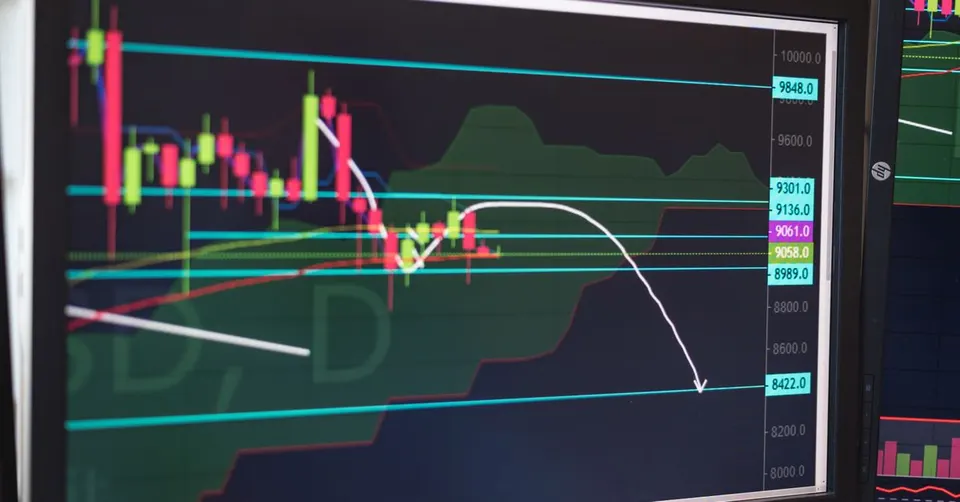
In the financial world, a "Great Rotation" is underway as investors begin to flee the technology sector that has dominated the markets for years. Market data shows a sudden shift into value sectors such as health insurers, banks, and retailers. This movement suggests that the "AI hype" may be cooling as institutional players seek safety in tangible assets and traditional industries amidst the 100-day war's economic fallout. Even the cryptocurrency market is feeling the heat; while Bitcoin remains near the $62,000 level, institutional sentiment has flipped, with heavy ETF outflows replacing the aggressive buying seen earlier this year. NYDIG analysts suggest that the slide in crypto is not due to a single cause but a combination of tech IPO headwinds, quantum computing fears, and the broader de-risking of portfolios.
For the Iranian reader, this global shift means that the external economic environment is becoming just as unpredictable as the domestic one. As Wall Street rotates out of tech and institutional money exits Bitcoin, the global appetite for risk is shrinking. This usually spells trouble for emerging market currencies and countries in conflict, as capital seeks the ultimate safety of the US Dollar and Gold. With the Emami coin already at 184,000,000 Toman, the path forward remains fraught with inflationary pressure and geopolitical risk, leaving little room for a quick recovery in the current fiscal quarter.
Frequently Asked Questions
Why has the Toman devalued by 1.7% in the last 24 hours?
What is the current status of 'Operation Epic Fury'?
Why are investors rotating out of technology stocks globally?
Geopolitical Instability and Currency Devaluation
The headline's mention of the Toman's depreciation amid a "military stalemate" and "Iran inflation war" highlights a critical economic phenomenon: the profound impact of geopolitical instability and international sanctions on a nation's currency value and inflation rates. When a country faces significant external pressures, such as ongoing conflicts, threats to vital trade routes like the Strait of Hormuz, or comprehensive international sanctions, its economic stability is severely undermined. This erosion of confidence often manifests directly in the foreign exchange market, leading to a rapid loss of value for the local currency.
The mechanisms behind this devaluation are multifaceted. Geopolitical tensions and military engagements deter foreign direct investment and encourage capital flight, as investors seek safer havens for their assets. Simultaneously, disruptions to crucial export channels—such as oil exports through the Strait of Hormuz—can drastically reduce a country's foreign currency earnings, which are essential for importing goods and servicing international debts. Sanctions further exacerbate this by limiting access to global financial systems and trade markets, choking off revenue streams and making it harder for the central bank to defend the currency's value.
Furthermore, conflicts often necessitate increased government spending on defense, which, if financed by printing more money, directly fuels inflation. As the local currency depreciates, imports become more expensive, leading to what is known as imported inflation. This creates a vicious cycle where rising prices further erode the purchasing power of citizens, prompting them to convert their savings into more stable assets like gold or foreign currencies, thus accelerating the local currency's decline. The "domestic despair" mentioned in the headline is a direct consequence of this economic hardship, as inflation diminishes living standards and creates uncertainty.
Understanding this interplay between geopolitical events and economic outcomes is crucial for comprehending the broader implications of international relations. It illustrates how political and military decisions can have immediate and far-reaching economic consequences, impacting everything from daily consumer prices to national economic stability and global trade dynamics.