Araghchi Signals Diplomatic Breakthrough: Iran-US 60-Day Roadmap and the Gold Market’s 1.2% Surge
گشایش دیپلماتیک در سوئیس؛ نقشه راه ۶۰ روزه ایران و آمریکا و جهش ۱.۲ درصدی بازار طلا
Foreign Minister Araghchi has outlined a strategic 60-day roadmap following high-level talks in Switzerland, aiming for a lasting ceasefire. Despite the diplomatic optimism, domestic gold prices have jumped 1.2%, signaling a complex market reaction to global energy and inflation concerns.
At time of publishing
USD
159,850
Toman
Gold 18K
16.24M
Toman / gram
Bitcoin
$64,182
US Dollar
Tether
159,958
Toman
The Switzerland Breakthrough: A 60-Day Path to Peace
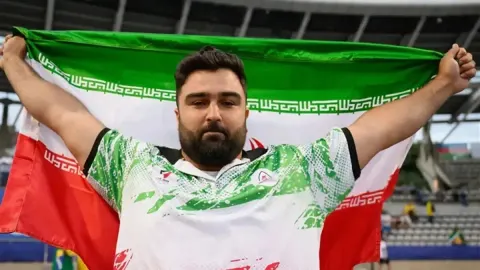
In a significant shift for regional stability, Iranian Foreign Minister Abbas Araghchi has officially outlined the outcomes of the high-level negotiations held in Burgenstock, Switzerland. Mediated by Qatar and Pakistan, these talks represent the most concrete progress toward a lasting ceasefire following the heightened tensions earlier this year. Araghchi emphasized that the discussions have resulted in a structured 60-day roadmap, designed to finalize technical details under the framework of the Islamabad Memorandum of Understanding (MoU). This period is critical, as it establishes formal mechanisms to prevent further escalations while addressing the core grievances that led to the conflict. The Foreign Minister’s rhetoric has shifted from defensive posture to one of cautious diplomatic achievement. He noted that Iranians have defended their national dignity through a combination of sports, defense, and now, high-stakes diplomacy. For the average Iranian citizen and investor, this roadmap offers a rare glimmer of predictability. While the shadow of previous failed agreements looms, the involvement of major regional mediators suggests a higher level of international commitment this time around. The immediate goal is to transition from a state of active hostility to a formalized peace that could eventually lead to the easing of economic sanctions.

Domestic Markets: Gold Surges as USD Holds Steady
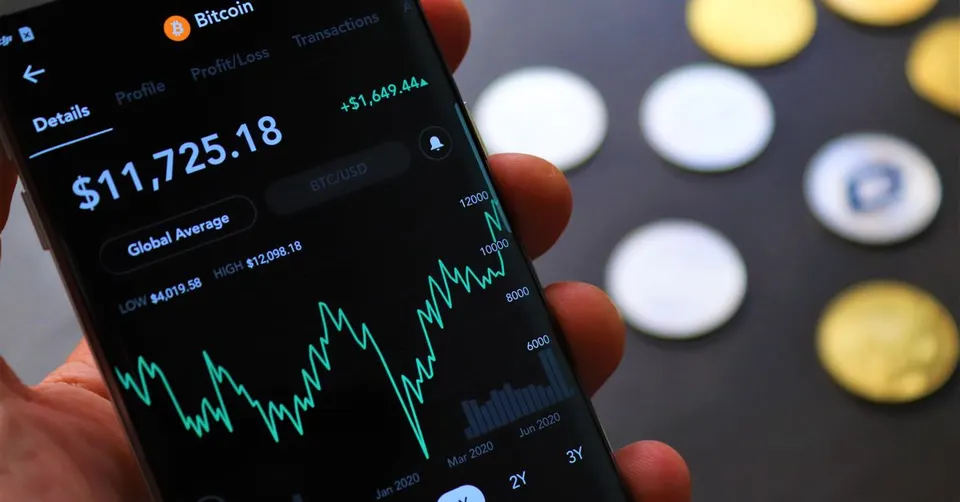
Despite the positive diplomatic signals emanating from Europe, the domestic precious metals market has reacted with a notable surge. Gold 18k per gram rose from 16,058,451 to 16,243,824 Toman, marking a 1.2% increase within the last 24 hours. This move suggests that while diplomacy is progressing, local investors remain wary of global inflationary pressures and the long-term sustainability of the peace process. Gold often acts as a hedge against the "execution risk" of diplomatic deals, and today’s price action reflects a market that is hopeful but remains strategically hedged. In contrast, the currency market showed remarkable stability. The USD sell rate moved marginally from 159,750 to 159,850 Toman, a slight +0.1% change. This stability in the Rial suggests that the Central Bank and market participants are currently pricing in the "status quo" of the negotiations. Meanwhile, the global crypto market remains in a consolidation phase; Bitcoin is currently trading at $64,182, struggling to break out of a range-bound pattern as ETF outflows continue for a sixth consecutive week. The lack of a strong directional move in crypto mirrors the broader global sentiment of "wait and see" regarding US-Iran relations.
The Global Energy Crisis and the AI Power Race
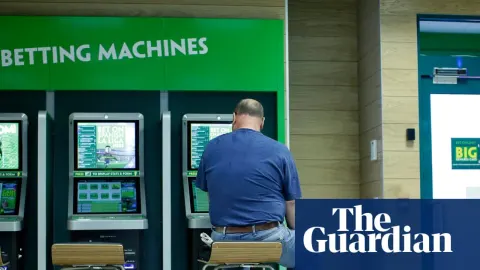
Beyond the immediate diplomatic sphere, structural shifts in the global economy are creating new pressures. In the United Kingdom, manufacturing trade bodies are warning of a wave of deindustrialization as surging energy costs drive factories offshore. This energy crisis, fueled by systemic carbon levies and volatile fuel markets, is a stark reminder of the fragility of the current global industrial complex. Major international corporations, including IKEA and Volvo, are now urging governments to accelerate electrification to decouple from these volatile markets. For Iran, a major energy producer, these shifts represent both a threat to traditional oil demand and an opportunity to pivot toward regional energy leadership if infrastructure can be modernized. Adding to the energy demand is the explosive growth of Artificial Intelligence. The "AI Arms Race" is increasingly being viewed not just as a software competition, but as a battle for electricity. Companies like NVIDIA have seen their valuations skyrocket because they provide the hardware, but the bottleneck is now the power grid itself. As AI data centers consume vast amounts of electricity, the global competition for stable energy sources will likely intensify. This macro trend underscores why the current Iran-US talks are so vital; regional peace is the prerequisite for the massive infrastructure investments needed to integrate into the next generation of the global high-tech economy.
Frequently Asked Questions
What is the 60-day roadmap mentioned by Araghchi?
Why did gold prices rise despite positive diplomatic news?
What is the status of the USD/IRR exchange rate today?
How is the AI industry affecting the global energy market?
What Is a Diplomatic Roadmap and Why It Matters
A diplomatic roadmap is a time‑bound, step‑by‑step plan that outlines how two or more parties will move from a stalemate to a concrete agreement. Rather than leaving negotiations open‑ended, a roadmap sets clear milestones, verification mechanisms, and deadlines, allowing each side to gauge progress and adjust its expectations. The term gained prominence in the early 2000s when the United Nations used a “road map” to guide the peace process in the Middle East, but it has since become a staple in high‑stakes bilateral talks, from the Iran nuclear negotiations to the recent US‑North Korea summit.
In practice, a roadmap breaks a complex issue into manageable chunks. For example, the 2015 Joint Comprehensive Plan of Action (JCPOA) between Iran and the P5+1 was built around a series of phases: Iran would first limit its uranium enrichment, then the United States and Europe would lift sanctions in stages. Each phase was linked to specific verification steps by the International Atomic Energy Agency (IAEA), creating a feedback loop that built trust while keeping both sides accountable. The 60‑day Iran‑US roadmap mentioned in recent talks follows a similar logic, aiming to achieve quick confidence‑building measures—such as prisoner releases or limited trade‑sanction relief—before tackling the more contentious nuclear and regional security issues.
Roadmaps also serve a political purpose: they signal to domestic audiences and third‑party observers that progress is being made, reducing the risk of derailment by hard‑liners. By publishing a timetable, governments can lock themselves into a path that is harder to abandon without political cost. However, roadmaps are not guarantees; they can be derailed by external shocks (e.g., a sudden spike in oil prices or a cyber‑attack) or by internal disagreements over interpretation of the milestones. Understanding the structure and limits of a diplomatic roadmap helps observers assess whether a breakthrough is likely to be durable or merely a temporary pause.
For students of international relations, the roadmap model illustrates how complex negotiations are transformed into a series of measurable steps, blending technical verification with political signaling. As AI‑driven energy demand and other global pressures reshape the strategic calculus of nations, the ability to craft clear, time‑bound diplomatic pathways will remain a crucial tool for averting conflict and fostering cooperation.
Topics
Related Articles