US-Iran Swiss Roadmap: 60-Day Path to Stability Triggers Market Shift as Gold Hits New Highs
نقشه راه ۶۰ روزه ایران و آمریکا در سوئیس؛ واکنش بازار تهران به پیشرفتهای دیپلماتیک و صعود طلا
Diplomatic negotiators in Switzerland have established a formal 60-day roadmap for a final deal, focusing on the Strait of Hormuz and regional de-escalation. Meanwhile, Tehran's markets show a cooling dollar price as gold surges amid escalating drone warfare in Eastern Europe.
At time of publishing
USD
159,450
Toman
Gold 18K
16.19M
Toman / gram
Bitcoin
$64,105
US Dollar
Tether
159,493
Toman
The Burgenstock Breakthrough: A 60-Day Countdown to Stability
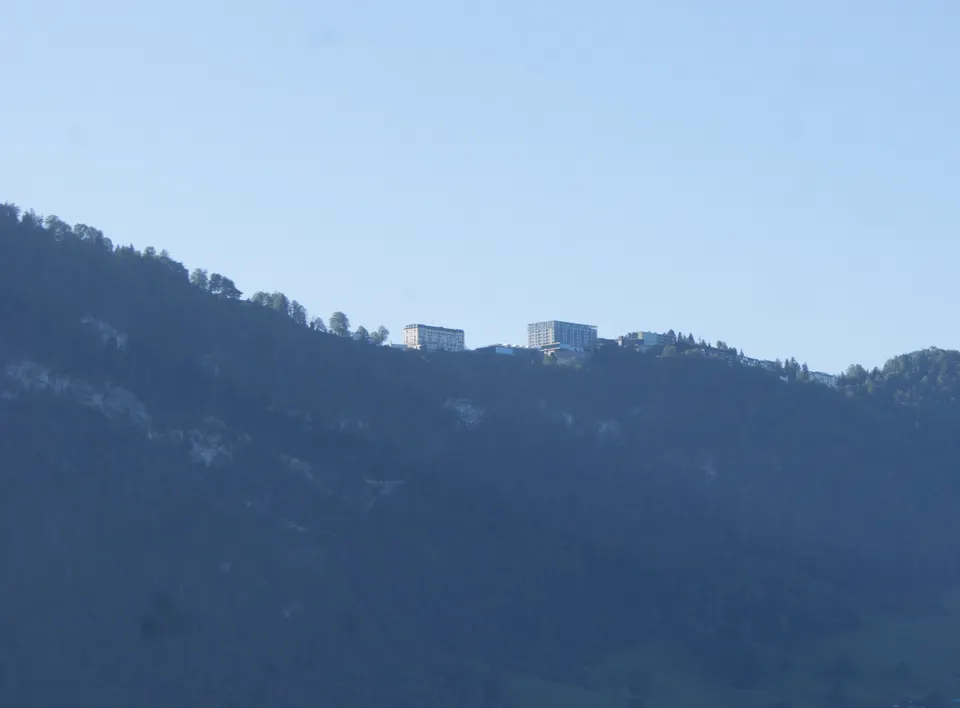
The diplomatic landscape in Switzerland has shifted dramatically as the first round of high-stakes negotiations between the United States and Iran concluded with what mediators describe as "encouraging progress." Representatives from both nations, meeting in the secluded resort of Burgenstock, have reportedly agreed on a technical roadmap aimed at reaching a final, comprehensive deal within a 60-day window. This roadmap specifically addresses critical friction points, including maritime security in the Strait of Hormuz and the volatile situation in Lebanon, which has seen massive displacement following recent escalations. Despite a brief and tense moment involving an Iranian walkout in protest of external political rhetoric, the commitment to continue technical talks throughout the week signals a level of pragmatism not seen in recent years.
For the Iranian economy, this breakthrough represents a potential pivot point. The agreement to focus on the Strait of Hormuz—a vital artery for global energy and Iran’s own trade—suggests that both sides are looking for concrete, de-escalatory measures that can provide immediate economic breathing room. While the shadow of future political shifts in Washington remains a concern for Iranian negotiators, the current momentum in Switzerland is being viewed by international observers as the most substantive effort at normalization since the original nuclear accord. The 60-day deadline creates a sense of urgency that could either lead to a historic resolution or a sharp return to maximum pressure tactics if the technical details remain unresolved.
Market Dissonance: Toman Softens as Gold Hits New Highs
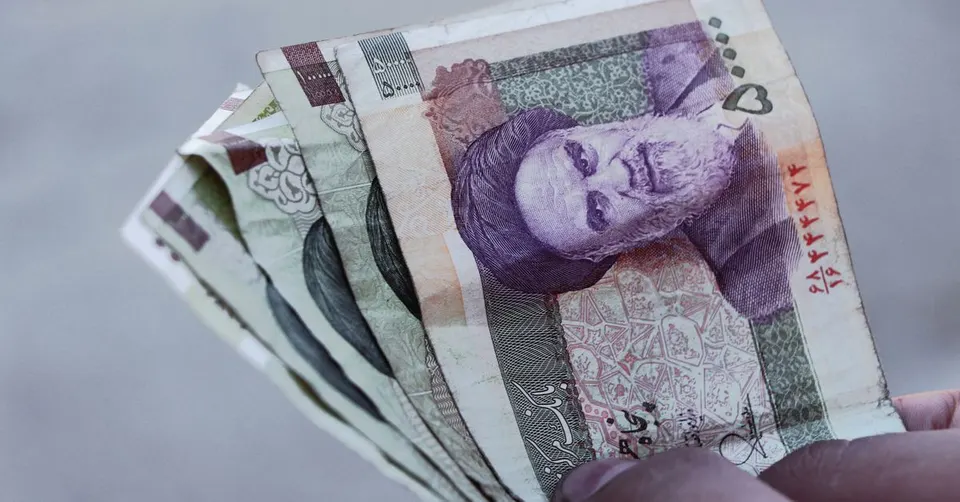
Tehran’s financial markets have reacted with calculated caution to the news from Switzerland. The US Dollar sell rate in the open market moved from 159,750 to 159,450 Toman, marking a slight 0.2% decrease over the last 24 hours. This downward pressure on the greenback is a direct result of improved diplomatic sentiment, as traders begin to price in the possibility of eased sanctions and improved foreign currency access. However, the currency market remains sensitive to broader geopolitical noise, particularly the ongoing humanitarian crisis in Lebanon and the rhetoric surrounding future US executive actions, which keeps the USD buy rate hovering near 158,506 Toman.
In stark contrast to the cooling dollar, the gold market is experiencing a significant surge. Gold 18k per gram rose from 16,058,451 to 16,190,267 Toman, an increase of 0.8%. This divergence suggests that while local diplomatic progress is helping the Toman against the dollar, Iranian investors are still flocking to gold as a hedge against global instability. The international price of gold, currently at $4,192.60 per ounce, is being driven by escalating conflicts elsewhere, most notably the massive drone swarms targeting Moscow and the resulting suspension of major airport operations. For the local buyer, the Emami coin holding steady at 163,500,000 Toman reflects a market that is currently balanced between domestic hope and international fear.
Global Security Under Pressure: From Brisbane to Moscow
Beyond the diplomatic tables of Switzerland, the world is grappling with a series of security shocks that are influencing global risk appetite. In Australia, a high-profile trial in Brisbane has highlighted the ongoing threat of radicalization, as a teenager stands accused of planning a nail-bombing campaign targeting political figures. While the defense argues the actions were a "troubled kid's edgy joke," the case has reignited debates over domestic security and the reach of extremist ideologies. Simultaneously, a tragic school shooting in the Philippines, which left three dead in Tacloban City, underscores a volatile global atmosphere where localized violence continues to disrupt social stability and investor confidence in emerging markets.
The most immediate threat to global market equilibrium, however, remains the escalation in the Russia-Ukraine theater. President Zelenskyy’s pledge to "bring the war back to Russia" manifested today in a swarm of over 300 drones targeting Moscow and other regions, forcing the temporary closure of the capital's airports. This intensification of the conflict is keeping energy markets on edge and driving the safe-haven demand for assets like gold and Bitcoin, which is currently trading at $64,105. For Iranian observers, these developments are a reminder that even as local tensions may ease through Swiss diplomacy, the global interconnectedness of conflict means that market volatility is likely to remain a permanent fixture of the 2026 economic landscape.

The Long View: China’s Energy Shift and Iran’s Strategic Outlook
Adding a layer of long-term complexity to Iran’s economic planning is a new warning from energy analysts regarding China’s oil demand. Experts suggest that China’s crude imports may never fully recover to pre-2024 levels, citing a permanent shift toward the electrification of transport. As the world's largest oil importer moves away from fossil fuels, the structural demand for crude is facing "destruction" that could leave major exporters, including Iran, searching for new markets or accelerating their own economic diversification. This shift is particularly critical as Iran negotiates its future role in global energy markets during the current Swiss talks, emphasizing that a deal is not just about sanctions relief, but about adapting to a rapidly changing global energy transition.
While Bitcoin and other digital assets like Ethereum (at $1,743.93) remain trapped in a bearish rectangle, the underlying technology continues to see institutional adoption. South Korea’s Toss Bank is moving forward with blockchain-based infrastructure on the Solana network for overseas remittances, a move that mirrors the global trend toward faster, cheaper cross-border payments. For Iranians who have increasingly turned to stablecoins like USDT (currently at 159,493 Toman) to bypass traditional banking hurdles, these technological advancements represent the future of finance—one where diplomacy, energy shifts, and digital infrastructure converge to redefine national sovereignty and economic survival.
Frequently Asked Questions
What are the core components of the 60-day roadmap agreed upon in Switzerland?
Why is the price of gold rising in Iran while the USD is falling?
How does China's shifting oil demand affect Iran's economic strategy?
What is the significance of the 300-drone swarm attack on Moscow for global markets?
Geopolitical Risk and the Flight to Safe-Haven Assets
Geopolitical risk refers to the likelihood of political events, conflicts, or international tensions disrupting global markets and economic stability. These risks can stem from various sources, including diplomatic stalemates, military conflicts, trade disputes, or even domestic political instability within key nations. When such risks escalate or even merely appear on the horizon, they introduce significant uncertainty into the global economy, prompting investors to reassess their portfolios and seek ways to protect their capital.
The immediate impact of rising geopolitical risk is often a surge in market volatility. Investors, fearing potential losses from economic disruptions or supply chain issues, tend to pull money out of riskier assets like stocks, emerging market currencies, or commodities that are highly sensitive to global trade. This capital then typically flows into what are known as "safe-haven assets." These are investments perceived to retain or even increase in value during times of market turbulence and uncertainty, offering a refuge for capital when other assets are declining.
Gold is perhaps the quintessential safe-haven asset, prized for its historical role as a store of value and its lack of direct correlation with traditional financial markets. Other safe havens include certain stable government bonds (like U.S. Treasuries), and currencies of countries with strong political and economic stability (such as the U.S. Dollar, Japanese Yen, or Swiss Franc). The headline's mention of gold hitting new highs amidst talks of a "Swiss Roadmap" for stability between the US and Iran, alongside concerns about Strait of Hormuz security, illustrates this phenomenon perfectly. Despite diplomatic efforts, the market's reaction suggests that underlying geopolitical uncertainties or the fragility of perceived stability can still drive demand for safety.
This dynamic highlights a crucial aspect of market behavior: investors often price in not just current events, but also the perception of future risk and the uncertainty surrounding diplomatic outcomes. Even a roadmap towards stability might be viewed with caution, especially if other global tensions (like the Moscow drone attack mentioned in the keywords) persist or if the path to resolution is seen as precarious. Thus, geopolitical risk isn't just about active conflict; it's about the broader climate of international relations and its potential to disrupt the economic order, making safe-haven assets a critical component of risk management for global investors.
Topics
Related Articles