Muscat Diplomacy and Oil Sanctions Easing: Iran’s Economic Outlook Shifts as Tech Sell-off Hits Crypto
دیپلماسی در مسقط و کاهش تحریمهای نفتی: تغییر چشمانداز اقتصادی ایران همزمان با ریزش بازارهای تکنولوژی
High-level Iranian officials arrive in Oman for critical mediation talks as reports surface of easing U.S. oil sanctions. Meanwhile, a massive SpaceX valuation shift and a tech-led sell-off are putting downward pressure on Bitcoin and global risk assets.
At time of publishing
USD
159,650
Toman
Gold 18K
16.13M
Toman / gram
Bitcoin
$62,576
US Dollar
Tether
161,489
Toman
High-Stakes Diplomacy in Muscat: Ghalibaf and Araghchi Meet Omani Leadership
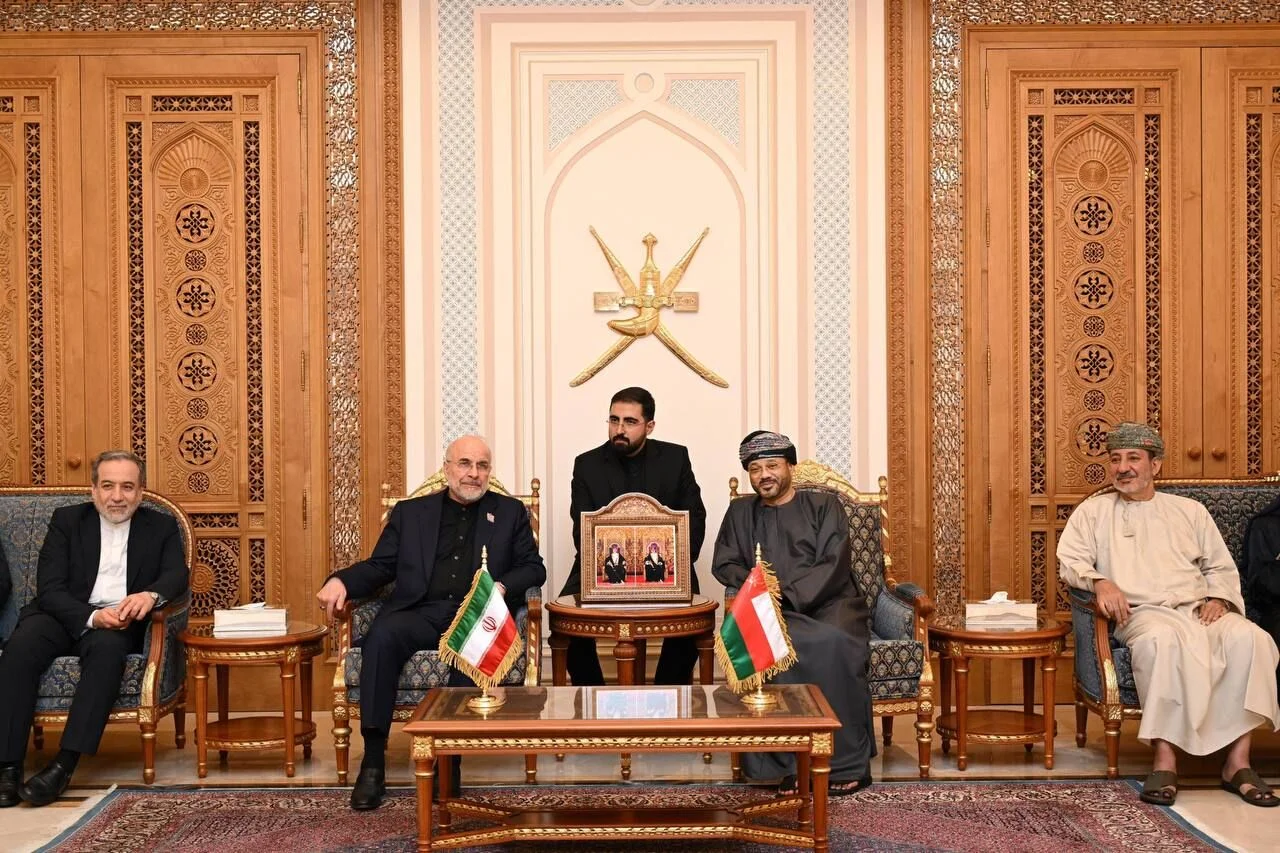
In a significant move for regional geopolitics, Iranian Parliament Speaker Mohammad Bagher Ghalibaf and Foreign Minister Abbas Araghchi have arrived in Muscat to meet with Omani Foreign Minister Badr bin Hamad Al Busaidi. This visit is not merely ceremonial; Oman has long served as the primary back-channel for communications between Tehran and Washington. The presence of both the head of the legislature and the top diplomat suggests a unified Iranian front, likely aimed at finalizing terms for regional de-escalation or advancing the 'deal to make a deal' regarding the Strait of Hormuz. Ghalibaf specifically noted that recent talks in Switzerland have already played a role in preventing further bloodshed in Lebanon, indicating that these diplomatic tracks are actively yielding results on the ground.
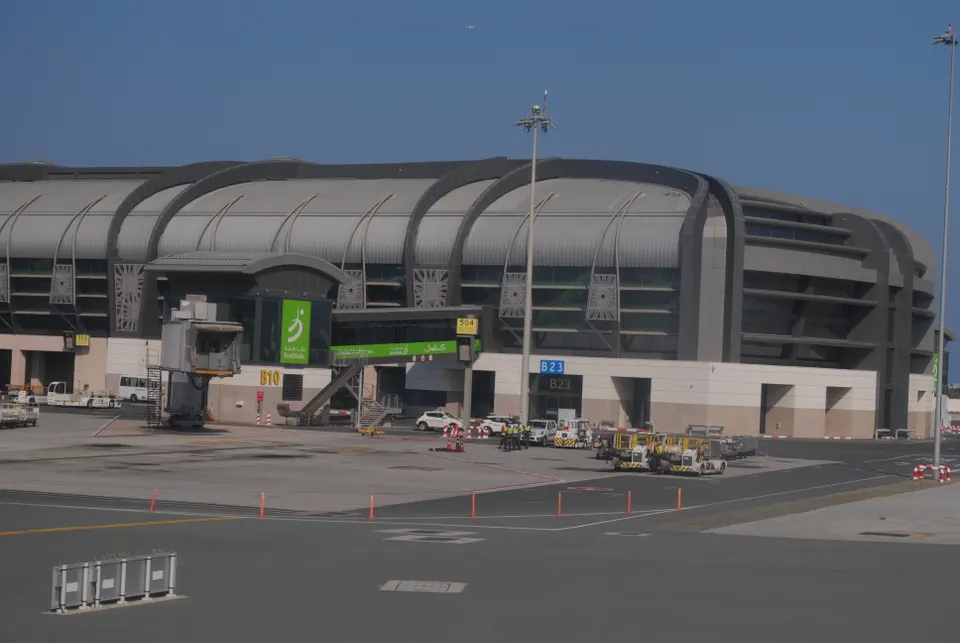
For the Iranian reader, this diplomatic surge is the primary driver of market sentiment this morning. When high-level delegations move to Muscat, the market typically anticipates a cooling of tensions, which reflects directly in the currency exchange rates. The stability of the Rial in the face of global tech volatility is a testament to the weight the market places on these Omani mediations. If these talks lead to a formalization of the maritime security arrangements in the Persian Gulf, we could see a significant reduction in the risk premium currently baked into the price of the US Dollar and gold in the local market.
Sanctions Easing vs. Nuclear Uncertainty: The Oil Market Paradox
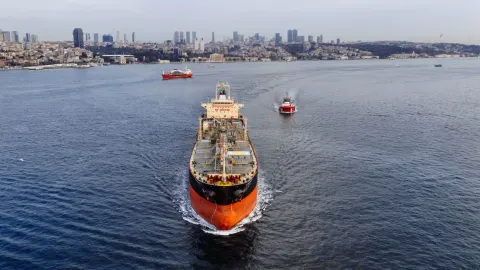
Reports from the United States, including comments from Vice President JD Vance, suggest that the U.S. has begun easing certain sanctions on Iranian oil exports. This move appears to be a calculated gamble to keep global energy prices stable while testing Tehran's willingness to allow U.N. nuclear inspectors back into the country. However, the situation remains 'muddy,' as Iranian officials have publicly stated they have made no new commitments regarding nuclear inspections. This disconnect between Washington’s perceived concessions and Tehran’s official stance has left oil markets in a state of confusion, particularly as the Strait of Hormuz remains in a 'half-open, half-closed' status that baffles shippers and insurers alike.

In the local market, the USD/IRR exchange rate has shown a slight downward trend, moving from 159,850 to 159,650, a decrease of 0.1%. While this move is small, it reflects the 'wait-and-see' approach of major traders. The potential for increased oil revenue is a powerful psychological floor for the Rial, but the lack of a clear nuclear breakthrough prevents a more aggressive rally. For businesses and importers, this means that while the immediate threat of a currency spike has receded, the long-term cost of hedging remains high due to the unresolved nature of the nuclear file.
Tech Sell-off and the SpaceX Factor: Crypto Feels the Heat
Global markets are currently grappling with a massive rotation out of high-growth technology and AI stocks, a trend that was accelerated by a $600 billion valuation plunge in SpaceX following its first major bond sale. This liquidity drain has rippled through the cryptocurrency market, with Bitcoin slipping toward the $62,500 level. The sell-off in Asian markets, particularly South Korea’s Kospi which fell 6%, has created a 'risk-off' environment where investors are fleeing to the safety of the US Dollar and traditional bonds. This explains why Bitcoin fell despite the broader narrative of institutional adoption, as it remains highly sensitive to the liquidity cycles of the tech sector.
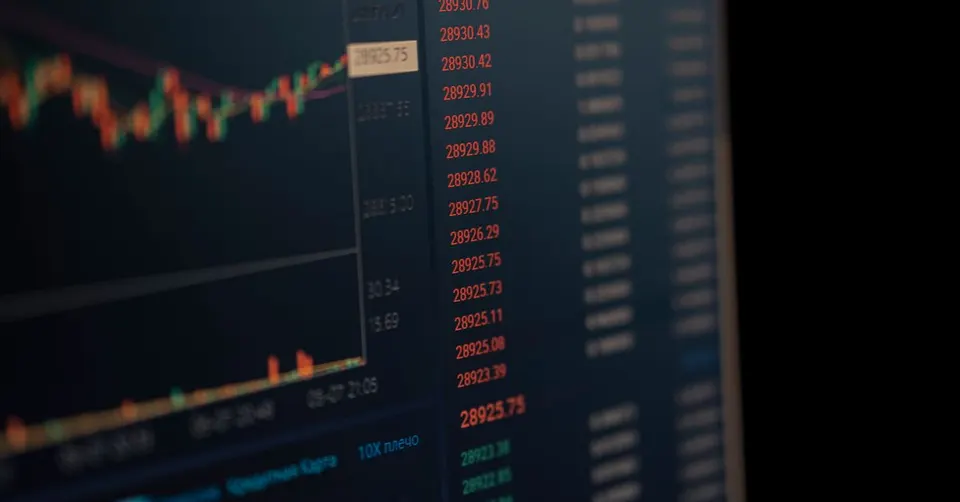
Compounding the uncertainty in the digital asset space is the US Senate's recent passage of a housing bill that includes a surprising ban on the Federal Reserve issuing a Central Bank Digital Currency (CBDC) until at least 2030. While this is seen as a victory for financial privacy advocates, it also signals a period of regulatory stagnation in the U.S. that could allow other nations to lead in digital finance innovation. For Iranian crypto investors, the current $62,576 price point for BTC represents a critical support level; a failure to hold this could see further liquidations, even as the local Tether (USDT) price remains elevated at 161,489 Toman due to the persistent demand for dollar-pegged assets.
Global Policy Conflicts: From Australian Pesticides to Ecuadorian Scandals
While the Middle East focuses on diplomacy, other parts of the world are dealing with internal policy crises that highlight the growing divide between corporate interests and public safety. In Australia, the regulator (APVMA) has decided to allow the continued use of the herbicide paraquat, despite it being banned in 70 other countries due to its links to Parkinson’s disease. This decision has sparked a fierce debate over the influence of agricultural giants like Syngenta over government policy. Similarly, in the political arena, One Nation leader Pauline Hanson has come under fire for claiming that parental leave entitlements would bankrupt small businesses, despite the fact that these are taxpayer-funded and not a direct cost to employers.

In South America, the stakes are even more dire. The murder of Polish anti-corruption activist Monika Silva Koniuszek in Ecuador has sent shockwaves through the international community. Koniuszek was investigating the family business of Ecuador’s president when she was found dead, with activists alleging a state-sponsored cover-up. These stories of institutional failure and corruption serve as a reminder to global investors that geopolitical risk isn't just about wars and sanctions; it's also about the erosion of the rule of law, which can have sudden and devastating impacts on emerging market stability and international trade relations.
Frequently Asked Questions
Why did both Ghalibaf and Araghchi go to Oman together?
How is the SpaceX bond sale affecting Bitcoin's price?
What does the 'muddy' status of nuclear inspections mean for the Rial?
How U.S. Secondary Sanctions Shape Iran’s Oil Trade
When the United States imposes secondary sanctions, it does not target the sanctioned country directly but threatens to cut off any third‑party firms that continue doing business with it. In the case of Iran, secondary sanctions on its oil sector mean that even if a country like Oman relaxes its own restrictions, European, Asian or American companies that help transport, insure, or finance Iranian crude can face penalties such as loss of access to the U.S. financial system, bans on U.S. market participation, or asset freezes.
The mechanism works through a network of legal tools: the Office of Foreign Assets Control (OFAC) issues designations that list entities and individuals who are “facilitating” Iran’s oil revenue. Once listed, any U.S. person—banks, insurers, shipping firms—must cease all dealings with them. Because most global trade relies on U.S. dollars and correspondent banking, non‑U.S. firms quickly assess the risk of secondary sanctions and often choose to avoid Iranian oil altogether, even if their home government permits the trade. This creates a de‑facto embargo that can be tighter than the primary sanctions themselves.
For Iran, the impact is profound. Oil revenues, which historically funded a large share of the state budget, shrink dramatically, forcing the government to turn to alternative financing such as cryptocurrency or barter deals. The recent crash in Bitcoin prices in June 2026 further strained Iran’s attempts to replace lost dollar income, highlighting the fragility of relying on volatile digital assets. At the same time, easing of sanctions through diplomatic visits—like Ghalibaf’s trip to Muscat—can provide short‑term relief, but only if major secondary sanction risks are mitigated.
Understanding secondary sanctions is essential for grasping why the Strait of Hormuz remains a geopolitical flashpoint. Even when ships from non‑U.S. flags carry Iranian oil, insurers and charterers may withdraw coverage out of fear of secondary penalties, raising shipping costs and prompting vessels to reroute or delay. This dynamic feeds into broader market reactions, influencing everything from the USD/IRR exchange rate to the price of oil‑linked assets such as SpaceX’s launch services, which depend on stable financing.
In short, secondary sanctions act as a powerful lever that can reshape trade flows, compel diplomatic negotiations, and drive countries like Iran to explore unconventional financial channels. Their ripple effects extend far beyond the immediate target, affecting global markets, regional security, and the everyday lives of citizens in sanctioned economies.
Topics
Related Articles