USD Dips Slightly, Gold Stable as Iran Sanctions Easing Hopes Rise
دلار اندکی افت کرد، طلا ثابت ماند؛ امیدها به کاهش تحریمهای ایران افزایش یافت
The US dollar saw a minor dip against the Iranian Rial overnight, while gold prices remained stable. Hopes for a de-escalation in global tensions, potentially linked to eased oil sanctions on Iran, are influencing market sentiment.
At time of publishing
USD
159,650
Toman
Gold 18K
16.13M
Toman / gram
Bitcoin
$63,312
US Dollar
Tether
161,200
Toman
Market Open: USD Dips, Gold Stable Amid Shifting Sanctions Landscape
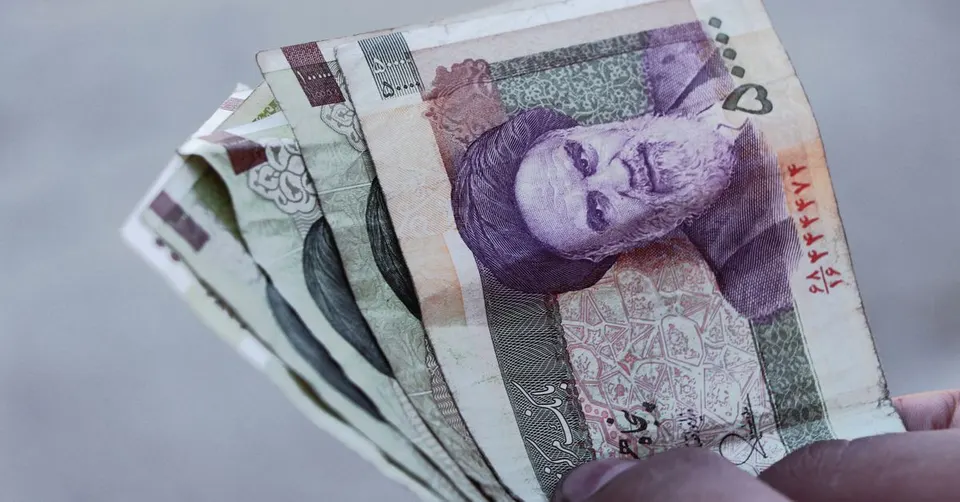
The Iranian Rial saw a slight strengthening against the US Dollar overnight, with the USD/IRR pair moving from 159,850 to 159,650, a decrease of 0.1%. This marginal shift suggests a tentative easing of pressure on the local currency, potentially influenced by broader geopolitical developments. The price of 18-carat gold per gram remained unchanged at 16,133,708 Toman, indicating stability in the precious metal market. Similarly, the Emami coin held steady at 163,500,000 Toman. These movements, while small, occur against a backdrop of international news that could impact Iran's economic outlook.
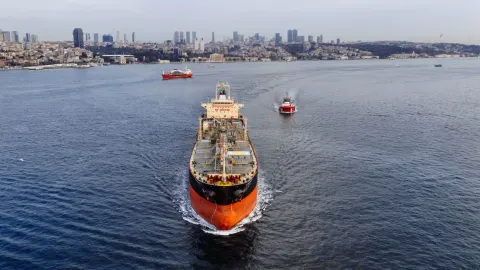
Globally, oil prices continued their downward trend, with Brent crude falling to $77.51 and WTI at $73.62 per barrel. This slide is attributed to progress in peace talks between the United States and Iran, with reports suggesting a potential waiver of sanctions on Iran's oil industry for a 60-day cessation of hostilities. Such developments, if they materialize, could lead to increased oil supply and influence global energy markets, with ripple effects felt across various economies, including Iran's. The stability in gold prices, despite the fluctuations in oil and currency markets, points to a cautious investor sentiment, with participants likely awaiting clearer signals on the geopolitical and economic front.
---
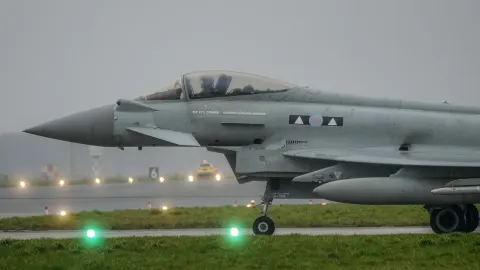
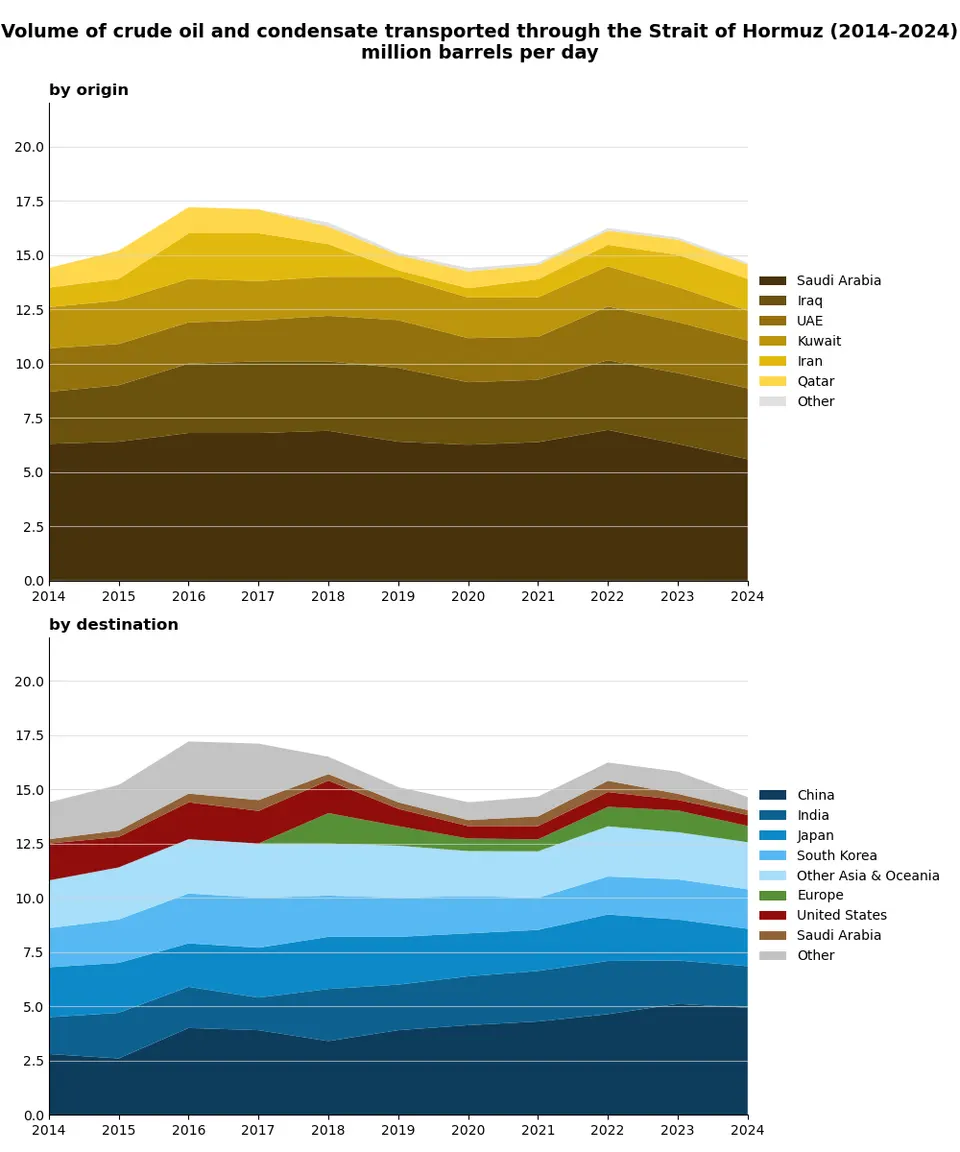
US Eases Oil Sanctions on Iran Amidst Nuclear Deal Denials
Overnight, reports emerged of the United States easing certain oil sanctions on Iran, a development that has sent ripples through energy markets and international diplomacy. This move, detailed by BBC World, comes as Iran's foreign ministry has vehemently denied any new commitments regarding nuclear inspections following talks held in Switzerland. The juxtaposition of these two narratives—sanctions relief and nuclear inspection denials—creates a complex picture of the ongoing negotiations. The easing of sanctions, even if temporary or conditional, signals a potential shift in US policy towards Iran, driven by a desire to de-escalate regional tensions and potentially influence the broader nuclear discourse.
Why this matters to Iran is multifaceted. Firstly, any reduction in oil sanctions directly impacts Iran's primary export revenue, potentially boosting foreign currency reserves and easing pressure on the national budget. This could translate into a more stable or even appreciating Rial, benefiting importers and consumers alike. Secondly, the diplomatic engagement, even with conflicting public statements, suggests a channel for communication remains open. This could foster a more predictable environment for trade and investment, reducing the risk premium associated with Iranian assets. However, the denial of new commitments on nuclear inspections keeps the ultimate outcome of the nuclear deal uncertain, a factor that continues to weigh on long-term economic confidence and international relations.
---
Australian Politics and Ben Roberts-Smith Case Cast a Shadow
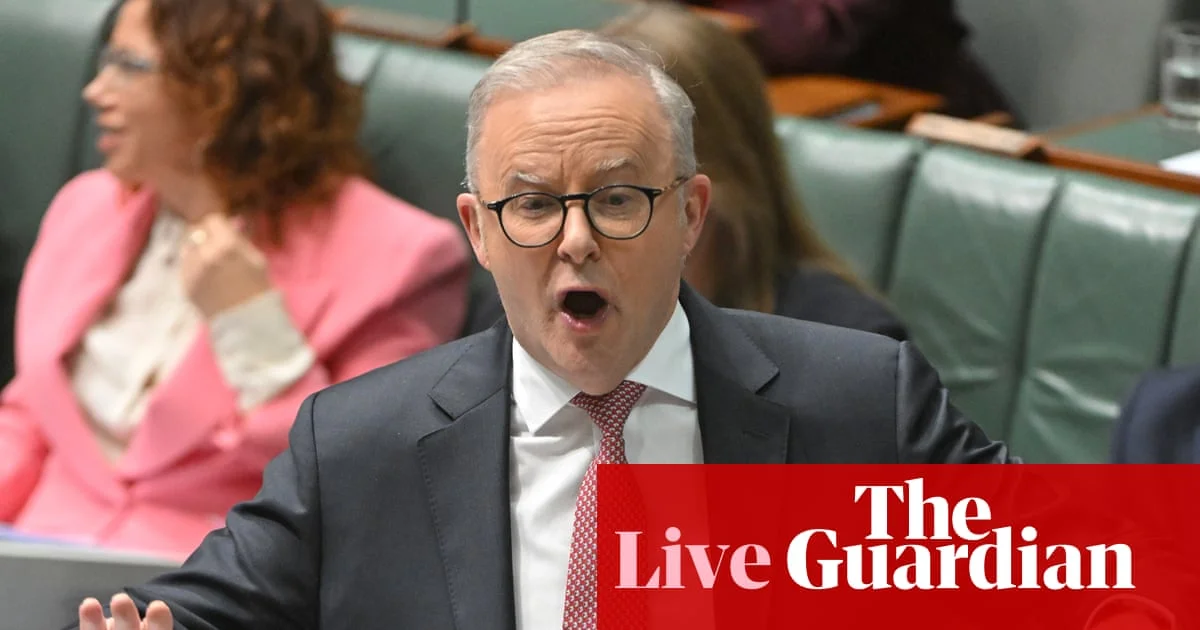
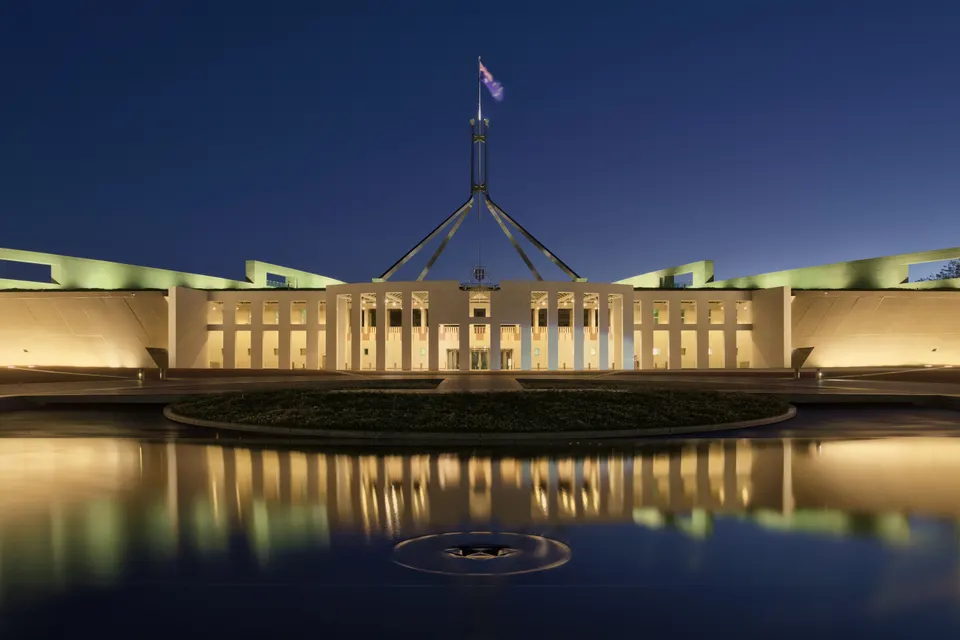
In Australia, domestic politics has been dominated by statements from Prime Minister Albanese regarding the opposition and a controversial invitation extended to war veteran Ben Roberts-Smith to attend the opening of a revamped War Memorial. Albanese asserted that the opposition was 'pining for a time which has never existed,' framing the political discourse. More significantly, the Prime Minister defended the decision to invite Ben Roberts-Smith, a Victoria Cross recipient, to the ceremony, despite his ongoing legal battles and past allegations. Roberts-Smith himself will not be attending due to illness, according to reports from The Guardian. This situation, while seemingly a domestic political matter, touches upon themes of national identity, historical commemoration, and the complexities of justice and accountability.
The indirect implications for Iran and its economic outlook are subtle but present. Geopolitical stability and the perceptions of justice and order in allied nations can influence global risk appetite. When major economies like Australia navigate sensitive domestic issues, it can contribute to a broader sense of uncertainty or, conversely, signal a return to stability. For Iran, which is keenly observing global sentiment due to sanctions and international relations, any perceived instability or controversy in major trading partners can indirectly affect confidence. Furthermore, discussions around accountability and past actions, even in a different context, resonate with ongoing international scrutiny faced by Iran. The focus on the War Memorial and Roberts-Smith highlights how nations grapple with their past, a theme that often intersects with geopolitical narratives.
---
Pakistan's 'Period Tax' Cut and Global Economic Policy
Pakistan has announced a significant reduction in its 'period tax,' cutting taxes on menstrual products by 18%. This policy change, highlighted by the New York Times, aims to improve access to essential hygiene products for women and girls across the country, where only about 12% currently use commercially produced items. While activists have welcomed the move, concerns remain that the poorest families may still struggle to afford these products, indicating the persistent challenge of affordability even with tax reductions. This policy decision reflects a growing global trend of governments addressing social equity and public health through fiscal measures, particularly concerning women's health and economic empowerment.
While seemingly distant from Iranian economic concerns, this development underscores a broader global conversation about government intervention in markets to address social needs. For Iran, understanding how other nations use fiscal policy to manage social welfare can offer insights, particularly as it navigates its own economic challenges and public demands. The focus on affordability and access to basic necessities is a universal concern. Moreover, the international attention on Pakistan's policy highlights how social issues are increasingly intertwined with economic policy and global development narratives. Such examples can influence policy discussions in various countries, including Iran, as it seeks to balance economic realities with the well-being of its citizens. The move also points to a potential shift in global trade dynamics, where countries are increasingly prioritizing local access to essential goods, which could impact import-export relationships in the long run.
Frequently Asked Questions
What is the current exchange rate for USD to IRR?
Are there any significant changes in gold prices?
What international news might be affecting the Iranian market?
What is the significance of the Australian political news for Iran?
What is Pakistan's recent economic policy change?
How Economic Sanctions Influence Currency and Commodity Markets
Economic sanctions are tools that governments use to exert pressure on other nations by restricting trade, investment, and financial flows. When a country like Iran faces new or eased sanctions, the immediate impact is felt in its own currency (the rial, IRR) and in global markets for commodities such as oil and gold. Sanctions can cut off access to foreign exchange, making it harder for a sanctioned country to obtain dollars. This scarcity pushes the domestic currency down, while investors worldwide may seek safe‑haven assets like gold, which often stabilises or even rises when geopolitical risk spikes.
The link between sanctions and oil prices is especially tight for Iran, a major oil exporter. Restrictions on Iranian oil shipments reduce global supply, potentially lifting crude prices. Higher oil prices, in turn, affect the value of the U.S. dollar because oil is priced in dollars; a stronger dollar can make gold more expensive in local currencies, but also can dampen gold’s appeal as a hedge against inflation. Conversely, when sanctions ease, Iranian oil can re‑enter the market, easing supply constraints and possibly lowering crude prices, which may reduce pressure on the dollar and keep gold prices steady, as seen in recent market moves.
Sanctions also have spill‑over effects on neighboring economies and trading partners. For instance, Pakistan’s economy, which relies on Iranian gas and trade routes, can feel the ripple through balance‑of‑payments pressures and currency volatility. Likewise, Australian political debates about foreign investment often reference how sanctions reshape global capital flows, influencing the Australian dollar and commodity exports. Understanding the mechanics of sanctions helps traders anticipate currency swings, commodity price reactions, and broader geopolitical risk premiums baked into market prices.
In practice, analysts watch several indicators to gauge sanction impacts: changes in the sanctioned country’s foreign‑exchange reserves, shifts in oil export volumes reported by the International Energy Agency, and movements in safe‑haven assets like gold and the Swiss franc. By monitoring these signals, investors can better navigate the uncertainty that sanctions create in both currency and commodity markets.
Topics
Related Articles