Iran Oil Sanctions Temporarily Waived, China Remains Key Buyer Amid Market Shifts
تعلیق موقت تحریمهای نفتی ایران؛ چین خریدار اصلی در میان تغییرات بازار
The US has temporarily waived sanctions on Iranian oil exports, potentially allowing Tehran to re-enter mainstream markets. However, Asian refiners see limited capacity, positioning China as the primary beneficiary. This development coincides with shifts in global markets, including a drop in gold prices and uncertainty in the crypto space.
At time of publishing
USD
161,500
Toman
Gold 18K
15.97M
Toman / gram
Bitcoin
$62,311
US Dollar
Tether
161,650
Toman
Iran Oil Sanctions Temporarily Waived, Opening Door to Mainstream Markets
The United States has announced a temporary, 60-day waiver on sanctions targeting Iranian oil exports, a significant development in ongoing peace negotiations. This move, if sustained, could allow Iran to re-enter global oil markets after years of being largely cut off and forced to sell crude at discounted rates, primarily to China. While Tehran claims no commitment has been made regarding its nuclear program, the waiver signals a potential de-escalation and a shift in economic leverage for Iran. The implications for Tehran are substantial, potentially boosting its foreign exchange reserves and providing a much-needed economic stimulus.
This temporary lifting of sanctions, however, is not a complete removal and comes with caveats. The specific terms and the potential for future sanctions remain points of concern. For Iran, the immediate challenge will be navigating the complexities of re-establishing its presence in a competitive global oil market. The waiver until August 21, 2026, provides a window to assess market reception and logistical capabilities, but the long-term outlook hinges on the broader geopolitical landscape and the outcome of continued negotiations. The potential return of Iranian oil could also influence global supply dynamics and pricing, although the extent of this impact is yet to be determined.
China Remains Key Buyer Amid Limited Asian Refiner Capacity
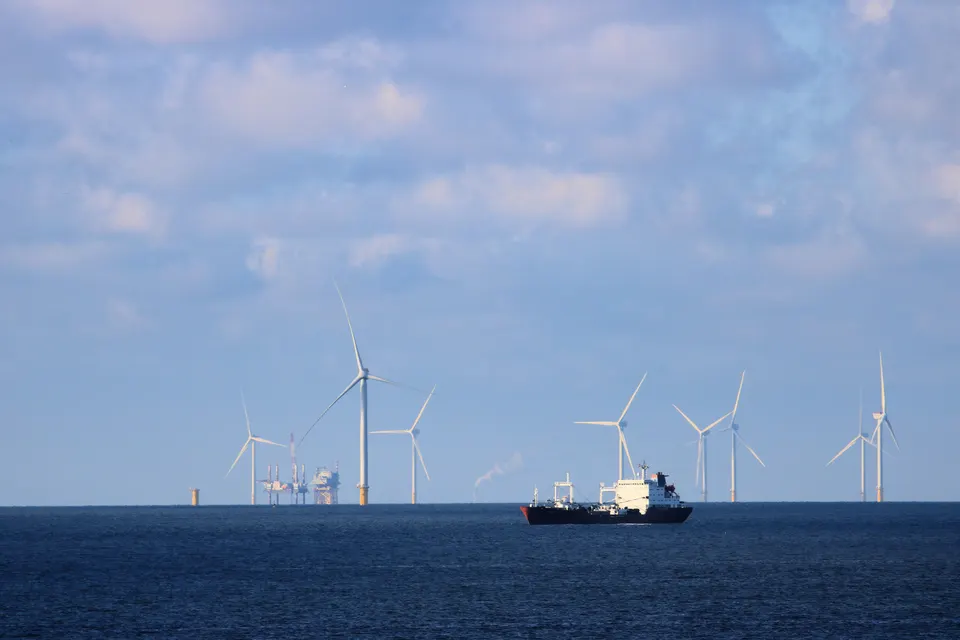
Despite the US sanctions waiver, a closer look at the Asian market reveals that refiners in countries like India, South Korea, and Japan have limited capacity to absorb significant volumes of Iranian crude. This reality positions China as the principal beneficiary of the waiver, continuing its role as the primary buyer of discounted Iranian oil. While Iran is actively pitching its oil to these other Asian nations, the infrastructure and existing supply contracts may present substantial hurdles to diversification in the short term. Consequently, China's demand will likely remain the linchpin for Iran's oil export strategy during this waiver period.
The strategic implications for China are considerable. Increased access to discounted Iranian crude could bolster its energy security and provide an economic advantage, particularly if global energy prices remain elevated. For the rest of Asia, the limited ability to take on Iranian oil means they may continue to rely on existing suppliers, potentially keeping prices for these nations at higher levels. This dynamic underscores the complex interplay of sanctions, geopolitical alignments, and market realities in shaping global energy flows, with China emerging as a key player benefiting from the current circums-tances.
---
Global Markets React: Gold Dips, Crypto Faces Volatility
Global markets are showing mixed reactions to the evolving geopolitical landscape and economic signals. Gold prices experienced a notable dip, with 18k gold per gram falling by 1.0% over the past 24 hours, moving from 16,133,708 Toman to 15,972,574 Toman. This decline, while significant in percentage terms, is part of a broader market adjustment. The Emami coin saw a slight uptick of 0.3%, moving from 163,500,000 Toman to 164,000,000 Toman, indicating some resilience in the traditional gold market within Iran.
In the cryptocurrency space, Bitcoin experienced a notable downturn, hitting an 11-day low below $62,000 amidst a broader sell-off in Asian markets. This volatility highlights the sensitivity of digital assets to macroeconomic trends and geopolitical events. While Ripple has secured preliminary MiCA approval in Luxembourg, signaling potential growth in the European stablecoin market, the overall crypto sentiment appears cautious. The USDT, pegged to the US dollar, tracked the Toman's movement, selling at 161,650 Toman, reflecting the broader currency market dynamics.
Geopolitical Undercurrents: Strait of Hormuz and Australian AI Concerns
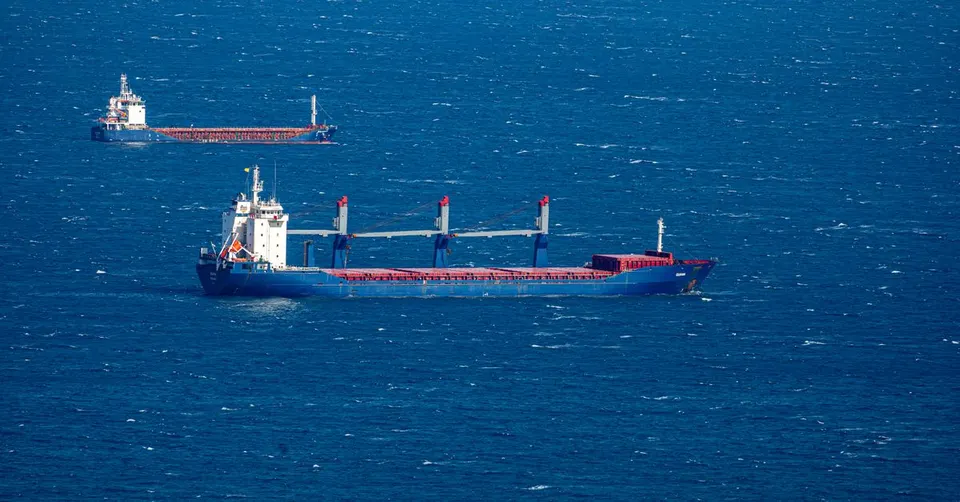
Beyond the immediate economic implications, geopolitical tensions continue to simmer. Iran is reportedly making moves to assert greater control over the Strait of Hormuz, with reports suggesting intentions to charge fees for vessels transiting the vital waterway. This follows a period where Iran had previously weaponized the waterway, making it dangerous for commercial traffic. The agreement on a Lebanon ceasefire and the lifting of sanctions on Iranian oil, as brokered in Switzerland, also involved discussions about mechanisms to open the Strait of Hormuz, though control remains an ambiguous point.
In parallel, concerns are rising in Australia regarding the nation's approach to artificial intelligence. A Greens senator has warned that Australia is "sleepwalking" into an AI crisis, urging for a moratorium on new data centers until regulations are adequately established. This highlights a growing global debate about the responsible development and deployment of AI technologies, balancing innovation with potential societal risks. The focus on these broader geopolitical and technological shifts underscores the complex and interconnected nature of global affairs, influencing everything from energy markets to digital infrastructure.
What This Means for You
For Iranians, the temporary waiver on oil sanctions offers a glimmer of hope for economic improvement, potentially stabilizing the Toman and easing inflationary pressures. However, the market's reaction is nuanced, with gold showing mixed performance and the broader impact on daily life hinging on the sustainability of these waivers and the success of broader economic reforms. For global investors and consumers, the shifts in oil markets, coupled with volatility in gold and crypto, necessitate careful navigation. The limited capacity for Asian refiners to absorb Iranian oil means China is poised to benefit most, potentially impacting global energy prices. Meanwhile, the ongoing discussions around AI regulation in places like Australia signal a growing global awareness of the need for governance in emerging technologies, which could influence future economic landscapes and investment opportunities worldwide.
Watch
Iran set to return to mainstream oil market as US temporarily waives sanctions • FRANCE 24 English
FRANCE 24 English
Frequently Asked Questions
Will the temporary US waiver on Iranian oil sanctions lead to sustained lower oil prices globally?
How does the US waiver on Iranian oil sanctions directly affect the USD/IRR exchange rate?
What is the significance of Iran's moves to assert control over the Strait of Hormuz?
Why are Asian refiners outside of China reportedly unable to significantly increase Iranian oil purchases?
How is the volatility in Bitcoin and gold prices related to the geopolitical developments involving Iran?
The Strait of Hormuz: Why This Narrow Waterway Holds Global Oil Power
The Strait of Hormuz, a 21‑mile-wide channel between the Persian Gulf and the Gulf of Oman, is one of the world’s most critical maritime chokepoints. Roughly 20% of global petroleum—both crude and refined products—passes through it each day, making it a bottleneck that can amplify geopolitical tension into immediate price shocks. Because the strait lies between Iran and the United Arab Emirates, any threat to its security—whether a naval incident, a mine, or a political decision to close it—has an outsized impact on oil markets, prompting traders to watch news of Iranian sanctions or Chinese buying with heightened sensitivity.
The strategic importance of the Hormuz corridor stems from geography and economics. The Persian Gulf holds the majority of the world’s proven oil reserves, especially in Saudi Arabia, Iran, Iraq, Kuwait and the United Arab Emirates. Since pipelines to the Mediterranean or the Black Sea are limited, tankers must navigate Hormuz to reach Asian markets, Europe and the United States. This concentration means that a single disruption can reduce global supply by millions of barrels per day, driving up benchmark prices such as Brent and WTI and spilling over into related assets like gold and Bitcoin, which often react to heightened uncertainty.
Historically, the strait has been a flashpoint. During the 1980s Iran–Iraq War, both sides mined the waters, and in 2019 the United States threatened to close Hormuz in response to Iranian attacks on oil tankers. Each episode caused temporary spikes in oil prices and prompted strategic stockpiling by Asian refiners, especially in China, South Korea and Japan. Modern naval patrols by the U.S. Fifth Fleet and cooperative security arrangements with Gulf states aim to keep the waterway open, but the risk of a sudden closure remains a key variable in energy‑security calculations.
For investors and policymakers, understanding the Hormuz dynamic helps explain why a temporary U.S. waiver on Iranian oil sanctions can be significant. If sanctions are eased, Iran can increase shipments through Hormuz, adding supply to a market already sensitive to any hint of a chokepoint disruption. Conversely, any escalation that threatens the strait’s safety can quickly reverse any price gains, reinforcing the tight link between geopolitics and commodity markets.
Key take‑away: The Strait of Hormuz is not just a narrow sea lane; it is a geopolitical lever that can turn regional disputes into global economic consequences. Monitoring its status provides early warning of potential oil price volatility, currency fluctuations (like the USD/IRR rate), and even spill‑over effects on alternative assets such as gold and Bitcoin.
Topics
Related Articles