Diplomatic Thaw: Iran Signals $12B Fund Release as Tech Markets Shudder from Nasdaq Sell-off
گشایش دیپلماتیک: سیگنال آزادسازی ۱۲ میلیارد دلار همزمان با ریزش سنگین بازارهای تکنولوژی
Iran’s lead negotiator Mohammad Bagher Ghalibaf reports a breakthrough in Switzerland with $12 billion in frozen funds set for release, while a massive Nasdaq sell-off erases $1 trillion in value, dragging Bitcoin and SpaceX with it.
At time of publishing
USD
161,500
Toman
Gold 18K
15.95M
Toman / gram
Bitcoin
$62,476
US Dollar
Tether
161,928
Toman
The $12 Billion Breakthrough and the Strait of Hormuz
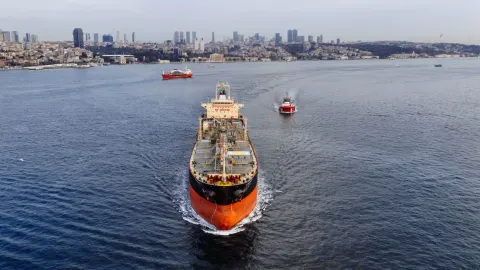
In a dramatic turn for Iranian diplomacy, Mohammad Bagher Ghalibaf, the head of the Iranian negotiating delegation, announced upon his return from Switzerland that the United States has agreed to unblock $12 billion in frozen Iranian funds. This announcement follows what Ghalibaf described as "encouraging" talks in Geneva, marking a significant pivot in the ongoing technical and political standoff. Perhaps more striking than the financial figure was Ghalibaf’s suggestion that Iran and the U.S. could collaborate on the management of the Strait of Hormuz, a move that would fundamentally alter the security architecture of global energy transit. Despite this news, the domestic market showed immediate volatility; the USD sell rate in Tehran moved from 159,850 to 161,500 Toman, marking a 1.0% increase as traders weigh the reality of these claims against regional tensions.

The implications of this deal extend far beyond a simple currency injection. By linking the release of funds to the management of the Strait of Hormuz, Tehran is signaling its willingness to use its geographic leverage as a bargaining chip for broader economic normalization. However, the Iranian ambassador to the UN in Geneva simultaneously warned that any Israeli escalation in Lebanon remains a "red line," suggesting that while economic channels are opening, the regional military posture remains on a knife-edge. For the average Iranian citizen, the focus remains on whether this $12 billion will actually permeate the domestic economy or simply serve as a buffer for state-level strategic reserves, especially as gold prices saw a slight correction with 18k gold dropping 1.1% to 15,954,799 Toman per gram.
Strengthening the Eastern Flank: Araghchi in Islamabad
While the Western diplomatic track heats up, Iran is simultaneously fortifying its regional alliances. Foreign Minister Abbas Araghchi arrived in Islamabad this Tuesday, paving the way for an official visit by President Masoud Pezeshkian. This high-level engagement follows strong statements from Ambassador Reza Amiri-Moghaddam, who praised the Pakistani people for their "unparalleled support" for Iran. The timing is critical; as Iran negotiates with the West over frozen assets and maritime security, it is seeking to ensure its eastern borders and trade corridors remain secure and cooperative. Pakistan represents a vital partner for Iran in terms of energy exports and regional security, particularly as both nations navigate the complex dynamics of the US-China rivalry in South Asia.

The deepening ties between Tehran and Islamabad are not merely symbolic. They point toward a multi-vector foreign policy where Iran refuses to be solely dependent on the outcome of talks with Washington or Brussels. For investors, this regional stability is a prerequisite for any long-term recovery in the Toman. The discussions in Islamabad are expected to touch upon the long-stalled gas pipeline project and joint border security measures. If Iran can successfully balance its "Strait of Hormuz" diplomacy with the West and its "Strategic Depth" diplomacy with Pakistan, it may create a more resilient economic environment that is less susceptible to single-source sanctions pressure.
Global Markets: The AI 'Rubber Band' Snaps as Nasdaq Bleeds
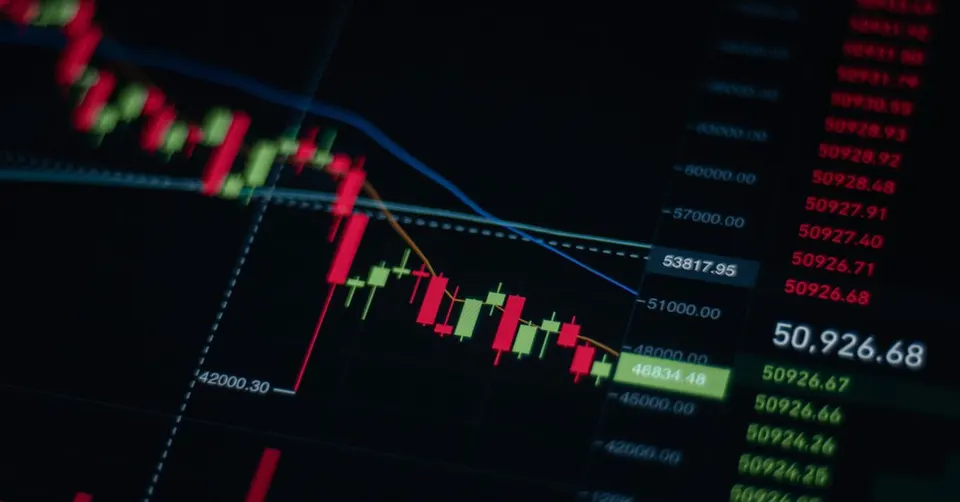
The global financial landscape is currently weathering a severe storm as the Nasdaq 100 is set to shed over $1 trillion in value. This massive tech sell-off, described by Goldman Sachs strategists as a "rubber band" that has finally stretched too far, is driven by a realization that investor assumptions about AI profitability may have outpaced reality. The contagion has spread quickly to digital assets; Bitcoin has dipped to the $62,476 level, losing significant ground as liquidations across the crypto market reached $717 million. This shift reflects a broader "risk-off" sentiment where capital is fleeing speculative tech and crypto in favor of safer yields, even as high-yield savings accounts in the US now offer up to 4.10% APY.
Beyond the stock tickers, a corporate war for the future of the internet is intensifying. Reports have emerged of a complex plot involving Elon Musk and Amazon’s Jeff Bezos over the control of America’s broadband infrastructure. As Amazon prepares its first major batches of satellites for low Earth orbit to compete with Starlink, the political and economic stakes of space-based internet have reached a fever pitch. For the Iranian tech sector and local investors, this global volatility serves as a reminder that even the most robust industries are susceptible to sentiment shifts. The drop in SpaceX valuation and the broader tech retreat suggest that the era of "easy money" in AI and space tech may be facing its most significant challenge since the post-pandemic boom.
Frequently Asked Questions
How will the release of $12 billion affect the Iranian Toman?
What does 'joint management of the Strait of Hormuz' imply for global oil prices?
Why did the Nasdaq sell-off impact Bitcoin and SpaceX?
Is the gold price drop in Iran related to the $12B news?
Understanding Frozen Sovereign Assets and Their Release
When a country faces international sanctions, one of the most powerful levers used by sanctioning states is the freezing of sovereign assets held abroad. These are typically foreign‑exchange reserves, oil revenues, or other state‑owned funds that have been deposited in foreign banks or invested in overseas securities. The legal basis for such freezes often stems from United Nations Security Council resolutions, unilateral sanctions regimes (e.g., U.S. Treasury’s Office of Foreign Assets Control), or bilateral agreements. Once frozen, the assets cannot be accessed or transferred without explicit permission, effectively cutting off a vital source of financing for the sanctioned nation.
The process of unfreezing assets is usually tied to diplomatic negotiations. In the case of Iran, the $12 billion of frozen funds has become a bargaining chip in talks about nuclear compliance, regional security, and broader economic normalization. Negotiators may agree on conditions such as verification mechanisms, limits on how the released money can be used, or the establishment of escrow accounts to ensure compliance. The release can have immediate macro‑economic effects: a sudden influx of liquidity can strengthen the domestic currency, reduce inflationary pressures, and provide the government with resources to meet budgetary needs.
However, the unfreezing of assets is not a simple “cash‑in” operation. Host countries must balance legal constraints, domestic political concerns, and the risk of setting precedents for future sanctions. Moreover, the timing of release matters; if it coincides with market turbulence—like the Nasdaq sell‑off in June 2026—it can influence capital flows, affect exchange rates (e.g., USD/IRR), and even impact volatile assets such as Bitcoin, which often react to shifts in macro‑financial stability.
Understanding frozen sovereign assets helps explain why diplomatic breakthroughs can cause rapid market reactions and why the management of these funds is a complex interplay of law, economics, and geopolitics. For policymakers and investors alike, tracking the status of such assets offers insight into the health of a nation’s external financing and the broader dynamics of international sanctions regimes.
Topics
Related Articles