Iran Tests Truce with Gulf Strikes; TMD's Keyless Lock Sparks Debate
ایران با حملات به خلیج فارس آتشبس را آزمایش میکند؛ قفل بیکلید TMD مورد بحث و جدل
Iran's recent strikes on Gulf states in response to US actions test regional stability. Meanwhile, TMD's keyless bike lock raises eyebrows with its hefty price tag.
At time of publishing
USD
169,550
Toman
Gold 18K
16.55M
Toman / gram
Bitcoin
$60,031
US Dollar
Tether
171,311
Toman
Iran's Gulf Strikes Test Fragile Truce
Iran has launched a series of attacks targeting Gulf states, specifically Bahrain and Kuwait, in response to recent US airstrikes on Iranian sites. This escalation comes amid a fragile truce that has been in place following negotiations aimed at reducing tensions in the region. The Islamic Revolutionary Guard Corps (IRGC) has emphasized that these retaliatory strikes serve as a warning against further US military actions. Tehran has also threatened to halt negotiations completely if the US continues its aggressive stance.
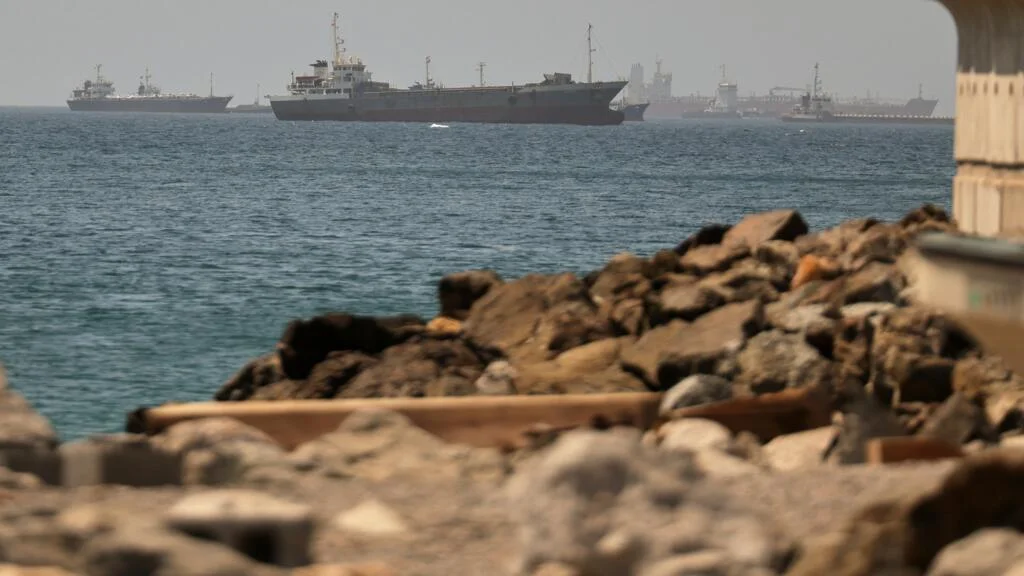
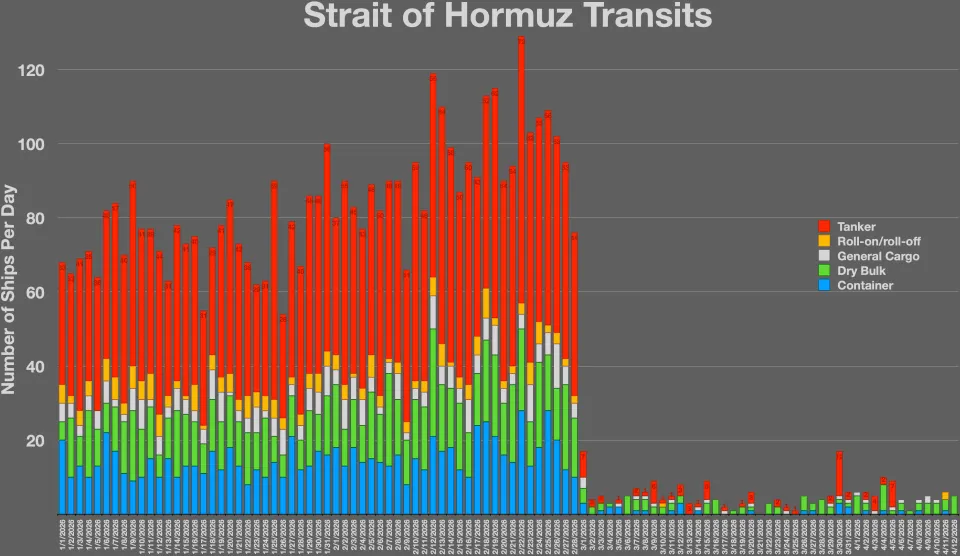
The implications of these developments are significant for the region's stability and global economic interests. With the Strait of Hormuz being a critical passageway for global oil supplies, any disruption could lead to serious economic consequences worldwide. For Iran, this escalation serves both as a demonstration of military prowess and a strategic move to assert its influence in the Persian Gulf. The international community watches closely, aware that further conflict could destabilize global oil markets and put energy security at risk.
TMD's Keyless Bike Lock: A Costly Solution?
A new product by TMD, a company known for its secure banking solutions, has stirred debate in consumer circles. The ART-2 certified keyless bike lock, priced at $280, aims to provide top-notch security using advanced materials and technology. Critics argue that its price is disproportionate, given that traditional bike locks are available for as little as $60. Proponents, however, highlight the lock's robust security features and potential long-term savings on insurance and theft prevention.
For Iranian consumers, this product raises questions about the cost-benefit ratio of investing in high-tech solutions versus more traditional, low-cost options. With the Iranian currency experiencing volatility and inflation concerns impacting purchasing power, consumers are increasingly cautious about where they allocate their resources. This debate touches on broader economic themes, such as the balance between innovation and affordability in emerging markets.

Bitcoin's Struggles Continue Amid Market Volatility
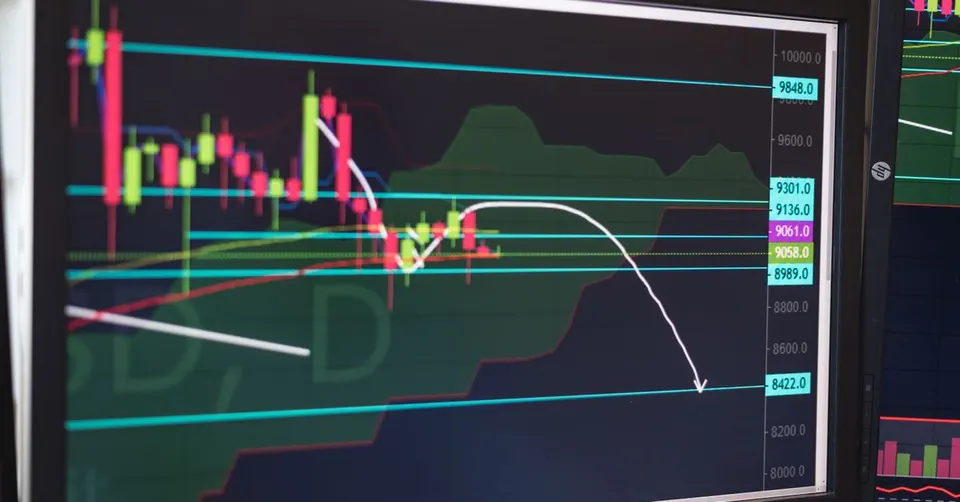
Bitcoin has dipped below the $60,000 mark, marking a rare back-to-back quarterly loss as the cryptocurrency market faces ongoing volatility. This downturn is part of a broader trend where both Bitcoin and Ethereum are ending the second quarter in the red, a deviation from their usual patterns of growth. Analysts suggest that regulatory pressures and macroeconomic factors, including interest rate hikes and global economic uncertainties, are contributing to this bearish sentiment.
For Iranian investors, who often turn to cryptocurrencies as a hedge against local currency devaluation, these developments present a mixed picture. While the dip could offer a buying opportunity for long-term holders, the overall instability underscores the risks inherent in the crypto market. As the toman remains sensitive to geopolitical tensions and economic policy shifts, the demand for stablecoins like USDT continues to be strong, reflecting a preference for stability amidst uncertainty.
Ocado's CEO Under Fire Over £100m Payouts
Tim Steiner, CEO of the British online grocery giant Ocado, is under scrutiny as reports reveal he has received nearly £100 million in payouts since the company's stock market debut in 2010. This revelation comes as Ocado's share price struggles, prompting discussions about leadership changes within the company. Such high compensation figures have sparked debate regarding executive pay practices, especially in companies facing financial challenges.
The situation at Ocado has broader implications for market participants, including those in Iran watching global business trends. Executive compensation and corporate governance are increasingly important factors for investors assessing company health and future prospects. As Iranian businesses seek international partnerships and investments, understanding these dynamics is crucial for navigating the global market landscape effectively.
Frequently Asked Questions
Why did Iran launch attacks on Gulf states?
What is controversial about TMD's keyless bike lock?
How is Bitcoin performing in the market?
What is happening with Ocado's CEO?
How might these events affect Iranian markets?
Understanding the Geopolitical Risk Premium
Geopolitical risk premium refers to the additional cost or return that investors demand for holding assets in, or dealing with, regions fraught with political instability or conflict. It's essentially a surcharge for uncertainty, reflecting the market's perception of potential disruptions, increased operational costs, or even the outright loss of assets due to political events. When tensions rise, as suggested by "Iran Gulf strikes" and "Middle East tensions," this premium often manifests immediately in commodity markets, particularly oil, as supply routes become vulnerable or production faces threats.
This premium isn't just an abstract financial concept; it has tangible impacts on economies and everyday life. For instance, heightened geopolitical risk in a major oil-producing region can drive up crude oil prices globally. This then translates into higher fuel costs for consumers and businesses, contributing to inflation and potentially slowing economic growth in importing nations. For countries directly involved, like the "Iranian economy" facing "Middle East tensions," the risk premium can deter foreign investment, increase borrowing costs, and exacerbate existing economic challenges such as "inflation."
Investors constantly assess geopolitical landscapes to adjust their portfolios. In times of elevated risk, they might shift capital from riskier assets or regions into perceived safe havens, such as certain government bonds or precious metals. While cryptocurrencies like Bitcoin are sometimes touted as alternative safe havens, their volatility often makes them react unpredictably to geopolitical shocks, sometimes falling alongside traditional equities rather than acting as a hedge. Understanding the geopolitical risk premium helps explain why events far from home can still have a direct bearing on global market sentiment, investment decisions, and the cost of goods and services we consume.