
U.S.-Iran Strikes Test Regional Truce as Emami Coin Jumps 2.4% Amid Geopolitical Friction
تبادل آتش میان ایران و آمریکا در خلیج فارس؛ صعود ۲.۴ درصدی سکه امامی در سایه تنشهای منطقهای
A series of retaliatory strikes between U.S. forces and Iranian-backed targets in Bahrain and Kuwait has put the regional truce under immense pressure. Meanwhile, the Iranian market shows resilience in currency while gold coins see a notable spike in volatility.
At time of publishing
USD
166,850
Toman
Gold 18K
16.53M
Toman / gram
Bitcoin
$59,852
US Dollar
Tether
170,710
Toman
Geopolitical Tensions Flare: U.S. and Iran Trade Strikes
The fragile truce that has characterized Middle Eastern geopolitics in recent months is facing its most significant test yet. Following U.S. airstrikes on Iranian targets—which Washington described as a necessary retaliation for a recent attack on an oil tanker—the Iranian military confirmed it had launched strikes against American assets in Bahrain and Kuwait. This direct exchange marks a dangerous escalation in the shadow war that has long simmered in the region's maritime and strategic corridors. The timing is particularly sensitive as diplomatic channels were reportedly attempting to formalize a longer-term de-escalation agreement.
For the average observer, this isn't just about military maneuvers; it is about the security of the world's most vital energy transit routes. While oil prices have shown some sensitivity, the real impact is being felt in regional risk premiums. The strikes in Bahrain and Kuwait, both major hubs for Western military and logistical operations, suggest that the theater of conflict is widening. If these exchanges continue, the 'testing' phase of the truce could quickly devolve into a full-scale breakdown of regional security, impacting everything from shipping insurance rates to international trade flow.

Market Reaction: Gold Coins Surge While USD Holds Steady
Despite the alarming headlines from the Persian Gulf, the Iranian currency market has remained remarkably stoic in the short term. The USD sell rate is currently holding at 166,850 Toman, showing a 0.0% change over the last 24 hours. This stability suggests that the central bank's intervention or the market's 'priced-in' expectation of regional volatility is currently preventing a panic-driven spike. However, the same cannot be said for the gold market. The Emami coin has risen from 166,000,000 to 170,000,000 Toman, a sharp 2.4% increase in just one day.
This divergence between the dollar and gold coins is a classic signal of domestic hedging. When investors fear immediate geopolitical fallout but see a capped currency market, they flock to gold as a more liquid and globally recognized store of value. With gold per ounce trading at a staggering $4,090.60, the internal pressure on Iranian gold products is being driven by both global record highs and local anxiety. Traders should watch the 170-million-Toman mark for the Emami coin closely; if it sustains this level, it may signal a broader shift in sentiment that the USD rate will eventually have to follow.
Australia’s War on Big Tech: A Global Enforcement Blueprint
Moving away from the Middle East, a significant regulatory shift is taking place in Australia that could redefine the global digital economy. The Australian government has announced it is moving into 'enforcement mode' regarding its social media ban for children under 16. To ensure compliance, the government is doubling maximum penalties for platforms to $99 million. This move comes as experts warn that legislation without teeth is useless against the multi-billion-dollar scale of Silicon Valley giants. The eSafety Commissioner, Julie Inman Grant, is being granted expanded powers to gather information and compel tech firms to prove their age-verification methods are effective.
This is not merely a local Australian issue; it represents a growing global trend where sovereign states are attempting to reclaim control over the digital 'town square' from private corporations. Tech firms have recently blamed AI development costs for price hikes in hardware, such as Xbox and the upcoming Switch 2, but the real cost of doing business may soon include massive regulatory fines. If Australia succeeds in making these fines 'stick,' other nations—including those in Europe and the Middle East—are likely to follow suit, creating a more fragmented and expensive operating environment for social media platforms worldwide.

Crypto Capitulation? Bitcoin Struggles to Reclaim $60,000
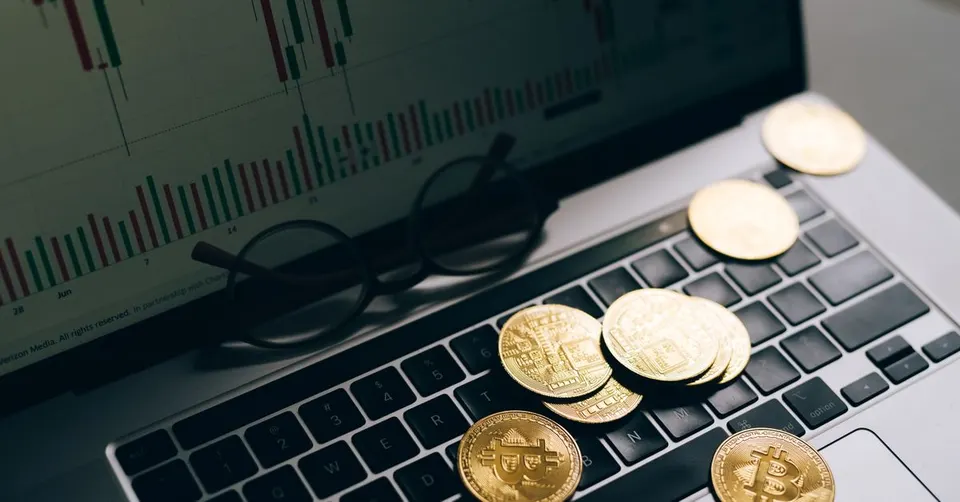
The cryptocurrency market is currently flashing signs of what analysts call 'capitulation.' Bitcoin (BTC) is trading at $59,852, failing to hold the psychological support level of $60,000. Data shows that nearly 50,000 BTC have recently been moved to exchanges at a loss, a move often associated with short-term holders giving up on the asset. While long-term bulls like Fidelity argue that Bitcoin's security remains intact despite the shrinking rewards for miners, the short-term sentiment is undeniably bearish. For Iranian investors using USDT (currently at 170,710 Toman), the double-whammy of a stagnant BTC price and a high Tether premium makes for a difficult entry point.
Frequently Asked Questions
Why is the gold coin price rising while the USD remains stable?
What triggered the latest exchange of strikes between the U.S. and Iran?
What does 'capitulation' mean for Bitcoin investors right now?
Geopolitical Risk Premium: Why Wars Move Gold, Bitcoin and Currencies
The geopolitical risk premium is the extra return investors demand for holding assets that could be hurt by political turmoil, wars, or diplomatic crises. In practice, analysts add a “risk premium” to the expected return of a security to compensate for the uncertainty that geopolitical events introduce. When the likelihood of conflict rises—such as a new U.S.-Iran strike or a fragile regional truce—markets instantly reassess that premium, and prices of many assets shift to reflect the new perceived risk.
Safe‑haven assets, especially gold, tend to benefit from a widening risk premium. Investors flee to gold because it is priced in U.S. dollars and historically retains value when confidence in governments or financial systems erodes. Recent spikes in gold prices during heightened Middle‑East tension illustrate this pattern: the metal’s price surged as traders priced in the possibility of broader regional escalation, effectively treating gold as insurance against geopolitical shock.
Conversely, cryptocurrencies like Bitcoin often experience what traders call a “capitulation” when the risk premium spikes. In a high‑risk environment, speculative investors may rush to liquidate Bitcoin holdings to cover margin calls or move into more traditional safe havens, driving the price sharply lower. The recent 2.4 % jump in the Emami coin after the U.S.-Iran strikes is a micro‑example of how even niche digital assets react to the same underlying risk calculations.
The premium also ripples through currency markets. Nations perceived as vulnerable to sanctions or conflict—such as Iran—see their exchange rates, like the Toman, depreciate as investors demand higher compensation for holding a potentially unstable currency. Emerging‑market currencies and even the Australian dollar can feel the pressure when broader geopolitical risk prompts a flight to the U.S. dollar. Understanding the geopolitical risk premium helps investors anticipate these cross‑asset moves and manage portfolio exposure more effectively.